If a plant does not have enough sunlight, it immediately begins to show it. The main thing is to understand by what signs light starvation is determined. An expert from the Zen channel “Exotica – encyclopedia of house plants” spoke about them in detail.
No. 1: The shoots stretched out, the stems became long and thin
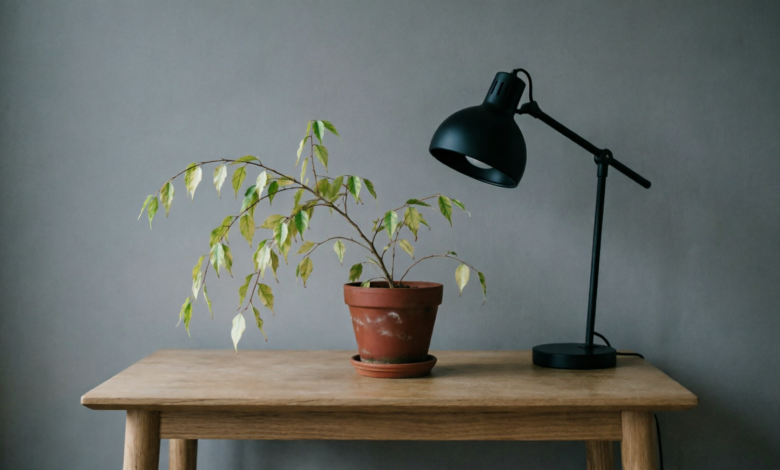
When the plant seems to stretch towards the window, it directly screams about the lack of light. Most often, stretching of shoots is characteristic of pelargonium, succulents and tradescantia. The only way to solve the problem is to move the pot to a well-lit place. Trimming will briefly improve the appearance, but will not solve the problem globally.
No. 2: The leaves have become small
When a plant suffers from a lack of light, its leaves become thin and small, they become deformed and are no longer so decorative. If your indoor plant used to have wide, beautiful leaves that have become shredded over time, place the pot closer to the window.
#3: The plant stops growing
A sudden pause in growth may also indicate a lack of light. If such a stop occurs in the warm season, it is better to remove the plant from the far corner of the room.
No. 4: The lower leaves turn yellow and fall off
With a lack of sunlight, the plant is not able to nourish all its leaves, so older specimens turn yellow and fall off. This happens especially often with ficuses, dracaenas and pelargoniums.
But if the pot is in a well-lit place, and the plant still has 1-2 leaves turning yellow, this is within normal limits: this is how natural aging manifests itself.
No. 5: The plant does not bloom
When there is a lack of light, flowering stops because this process requires a lot of energy. Without lighting, the plant does not have enough strength, so it does not even set buds.