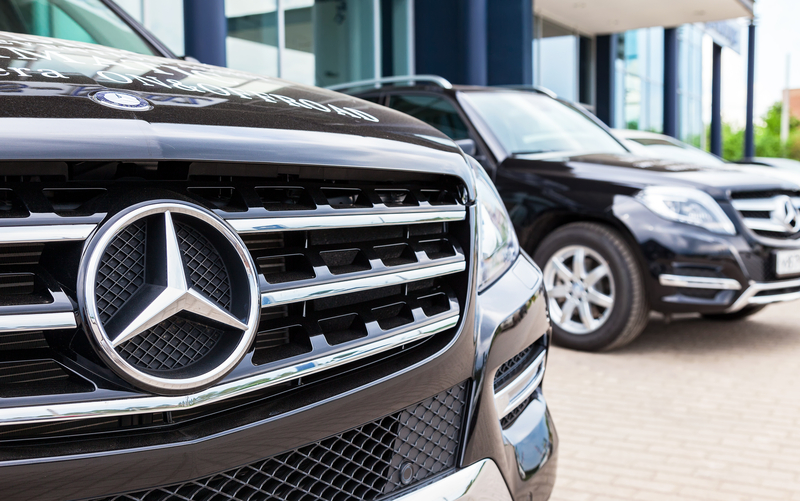
The United States wants to completely eliminate the influence of states considered adversaries in the auto industry, and the new rule threatens the activity of Mercedes-Benz, according to CNBC.
The German automaker could be barred from making, importing and selling new vehicles in the US under a bill in the US Congress called the Motor Vehicle Modernization Act of 2026.
The initiative provides for the ban on the American market of car manufacturers that have any participation, directly or indirectly, held by the governments of countries such as China, Russia or North Korea.
In the case of Mercedes-Benz, Chinese state-owned company BAIC is the largest individual shareholder and owns 9.98% of the German group. The second largest shareholder is Chinese businessman Li Shufu, the founder of Geely, with 9.69% of the shares. Together, the two control almost 20% of the Mercedes-Benz Group.
The current wording of the bill could also include Mercedes-Benz, according to CNBC's sources, although the German manufacturer has a significant industrial presence in the United States.
The company operates an automotive plant in Tuscaloosa, Alabama, where it has produced more than five million vehicles since 1997. Mercedes-Benz also has a plant in South Carolina, where it has been producing vans since 2006, and the total number of employees in the US exceeds 10,000.
The text of the bill provides exceptions for companies that have been producing cars in the US for at least five years before January 1, 2026. However, the document excludes from these facilities companies with stakes owned directly or indirectly by governments considered adversaries.
Other car companies are also targeted
Industry experts warn that Mercedes-Benz could become a collateral victim of measures blocking Chinese manufacturers' access to the US market.
Stephen Ezell, vice president of the Information Technology and Innovation Foundation, said Mercedes-Benz poses a much lower national security risk than manufacturers directly controlled by China.
Including the group in the law could bring unintended economic consequences, including the loss of U.S. jobs and investment, Ezell said.
The bill is part of an effort by the administration and Congress to limit China's technological and industrial influence. In parallel, the United States has already adopted rules restricting connected vehicles with software or components developed in China.
The situation could also affect other automakers with ties to Chinese investors, including Volvo Cars, a company majority controlled by Geely.
In 2025, Mercedes-Benz sold around 315,000 vehicles in the United States, one of its most important markets worldwide.
Photo source: Dreamstime.com