Trump rejects a plan that would have Oman and Iran jointly imposing fees on ships passing through the Strait of Hormuz. This country is another country in the Middle East that is facing the consequences of the US war with Tehran.
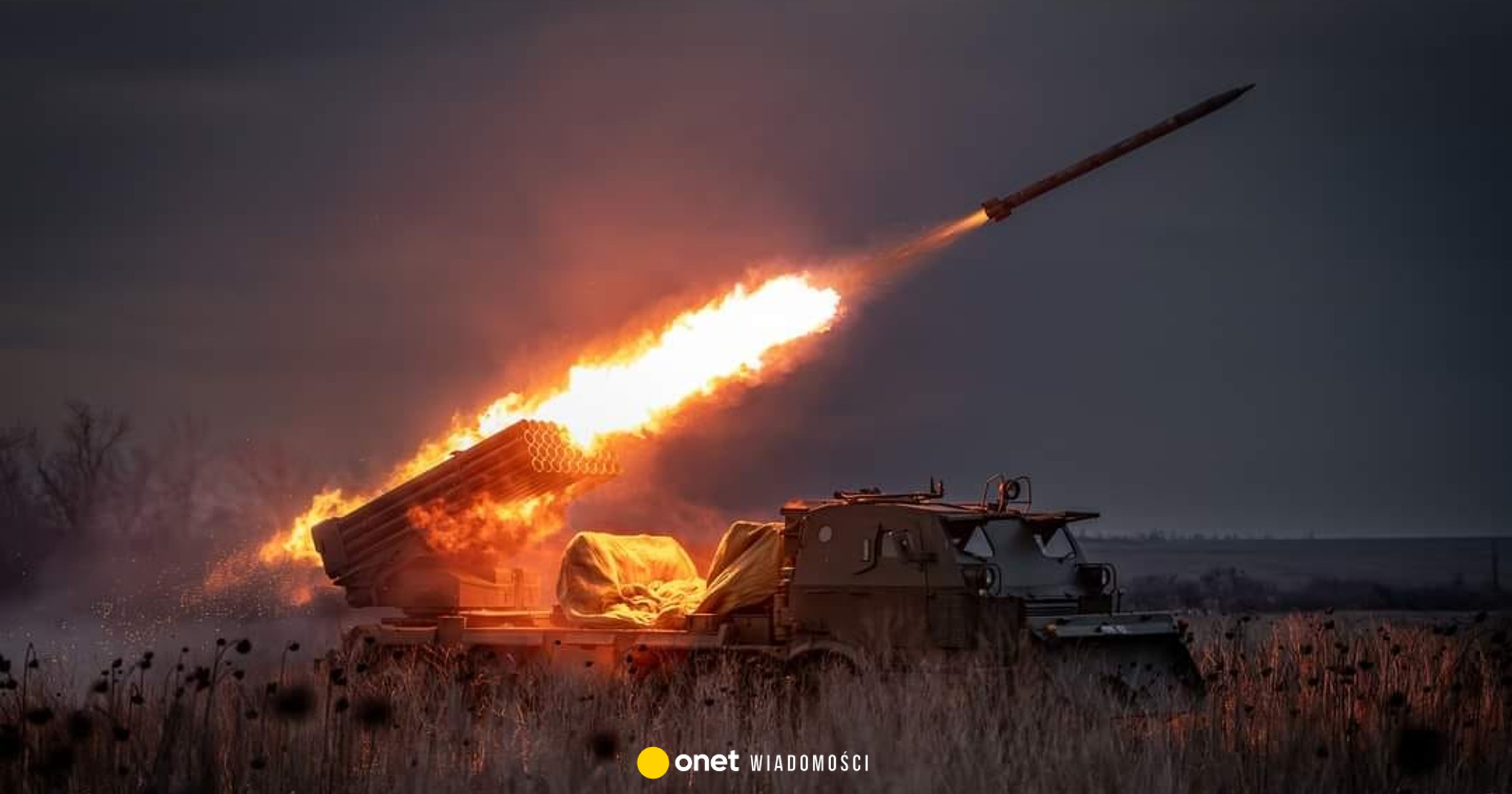
Kuwait announced on Thursday morning that it had been the target of a missile and drone attack. The country's army wrote in a social media post that “the explosions are the result of air defense systems that intercept enemy targets.” During the war, Kuwait was repeatedly shelled by Iran and Iran-backed Shiite militias in Iraq. No one officially claimed direct responsibility for the attack. Iranian forces also fired on four ships trying to cross the Strait of Hormuz.
Earlier, the United States attacked Iran again, shooting down four Iranian drones. “The US armed forces attacked the Iranian base in Bandar Abbas, from which the fifth drone was to take off,” explained the representative of the US government in Washington. Iranian drones posed a “threat” to the Strait of Hormuz, according to the Americans.
Iranian media reported three strong explosions near Bandar Abbas, a port city in the south of the country. According to these reports, the explosions took place on Thursday morning around 1.30 local time, midnight CET.
The dynamics of events in the Middle East show that the ceasefire is becoming a fiction. Despite the declared negotiations, the situation is still escalating. Particularly disturbing is Trump's confrontational attitude — not only towards Iran, but also towards allies. One factor is key.
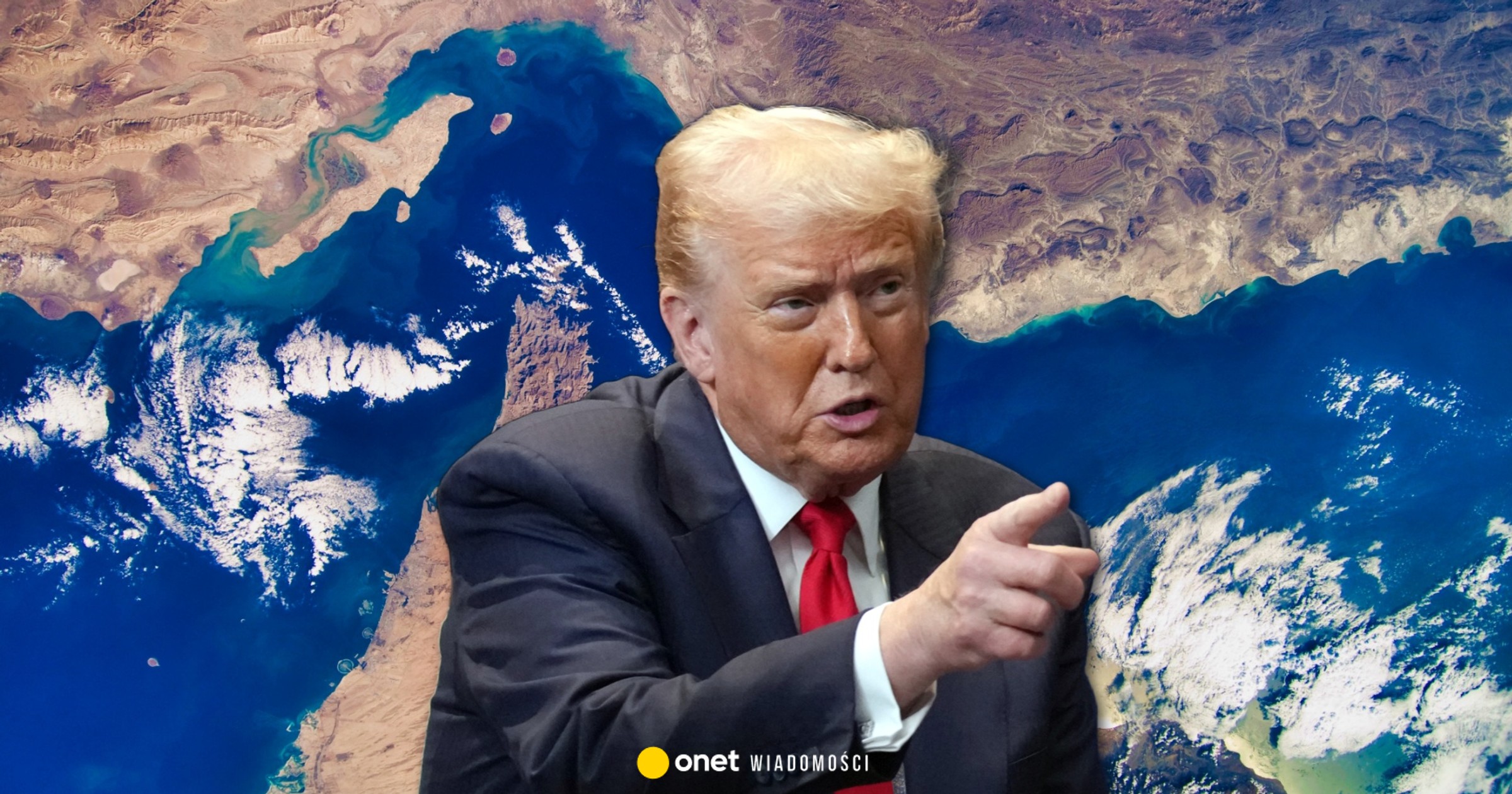
“Oman is going to behave the same as everyone else, or we're going to have to blow them up,” Trump told reporters Wednesday during a Cabinet meeting at the White House. – They understand it. They'll be fine, he added.
The article continues below the video
The US president thus rejected a plan under which Oman and Iran would jointly charge fees for the passage of ships through the Strait of Hormuz. He threatened severe consequences for the US ally if it implements the demands from the talks that reportedly took place with Tehran.
Opening the strait, a key transit route for approximately 20 percent. world oil, has become a reference point in negotiations aimed at ending the three-month-long war between the US and Iran. Tehran effectively closed the waterway shortly after it was first attacked by the US and Israel in February.
The strait remains blocked even after the president announced a ceasefire in April, conditional on Iran fully reopening it.
As a result, global prices of energy raw materials are rising. The almost complete lack of transit through the strait also raised the specter of an impending global food crisis. Last week, the Food and Agriculture Organization of the United Nations warned of this threat.
Oman, which has long maintained positive relations with Washington but is not a member of the Abraham Accords concluded during Trump's first term, plays a key role in behind-the-scenes negotiations with Iran, including on that country's nuclear program.
Chaos in the Middle East
Meanwhile, further clashes between the US and Iran continue. On Monday, the US said it carried out “self-defense attacks” on several targets in southern Iran, including missile launch sites and Iranian boats trying to plant mines in the Strait of Hormuz.
In retaliation for the night attacks, Iran just before At 5:00 he launched an attack on the American base. “Following today's aggression by hostile U.S. forces, which fired air missiles at a town located on the outskirts of Bandar Abbas airport, the U.S. air base used to carry out the attack was targeted,” the Islamic Revolutionary Guard Corps (IRGC) said.
On Wednesday, Trump reiterated his position that Iran would have no control over the Strait of Hormuz as part of a peace deal to end the war.
“It needs to be open to everyone,” he said. “These are international waters. No one will control it. We will watch over it. We will watch over it, but no one will control it. This is part of our negotiations.”
I’m Ashley Davis as an editor, I’m committed to upholding the highest standards of integrity and accuracy in every piece we publish. My work is driven by curiosity, a passion for truth, and a belief that journalism plays a crucial role in shaping public discourse. I strive to tell stories that not only inform but also inspire action and conversation.