
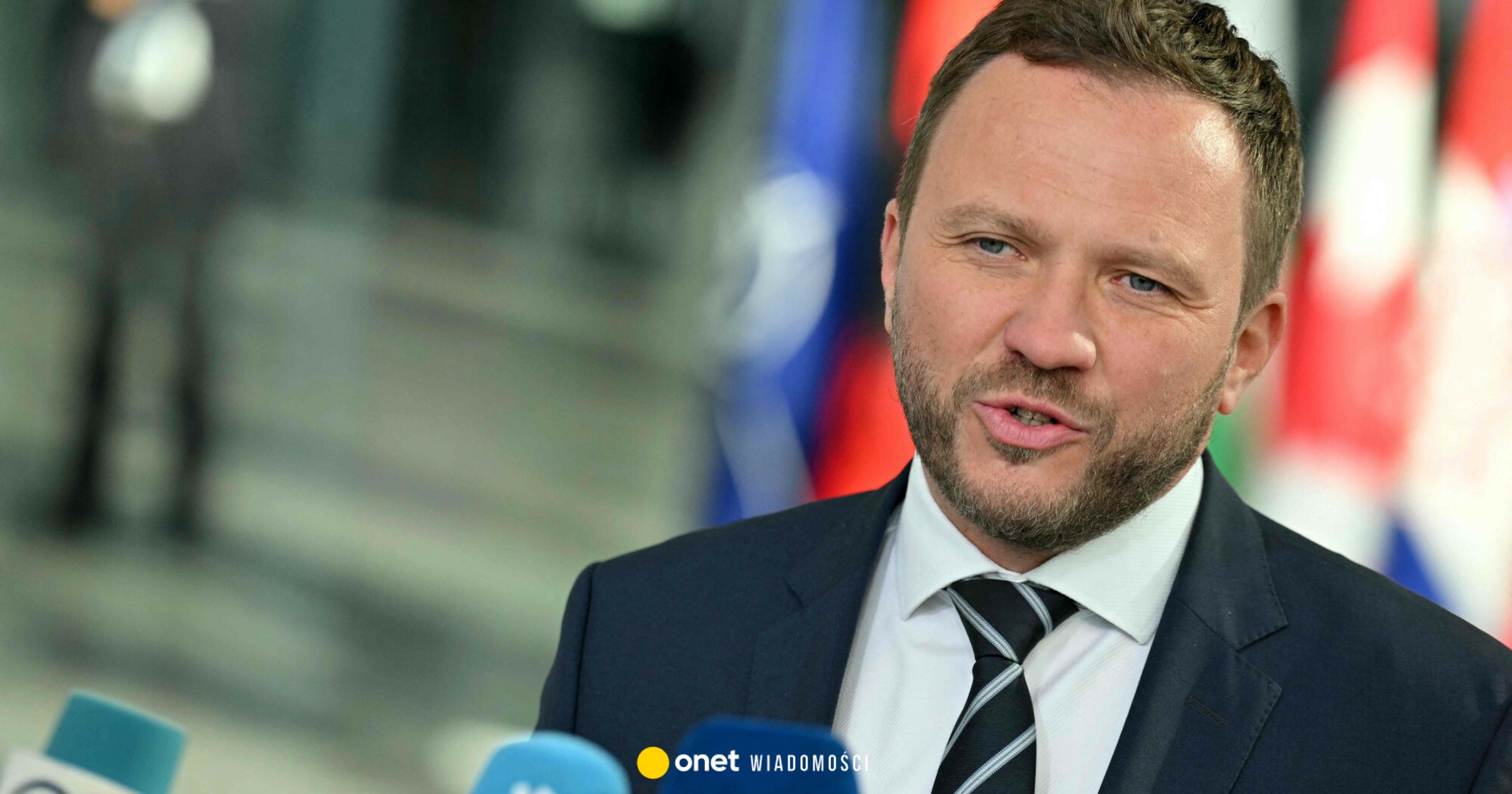
According to the head of Estonian diplomacy, Russia's accusations “are part of a broader disinformation strategy that aims to weaken support for Ukraine and democratic institutions.” “They also aim to sow uncertainty among allies,” Tsahkna added.
In the Baltic countries, which were part of the USSR until 1990-1991, currently about 20-30 percent population (mostly in Latvia) speaks Russian.
Vladimir Putin signed the document
On Monday, Russian leader Vladimir Putin signed a law that effectively authorizes Moscow to carry out military attacks on other countries under the pretext of “protecting Russian citizens” abroad. The Russian authorities have repeatedly issued threats against their neighbors in the past, justifying them by protecting Russians living abroad.
Also on Monday, the Russian Ministry of Foreign Affairs announced that it would file a complaint with the International Court of Justice in The Hague regarding “discrimination against Russian-speaking people in Lithuania, Latvia and Estonia.”


