Published forecasts show that Poland's deficit will reach as much as 6.5% this year. GDP, and next year it will fall by only 0.2 percentage points. This is more than twice the limit allowed in the EU, which is 3%. GDP.
Read also: Orlen is ahead of Gazprom and chasing Lukoil. Russian giants are losing billions
Although almost half of the countries exceed the EU threshold, Poland is in the inglorious position of the leader in this ranking.
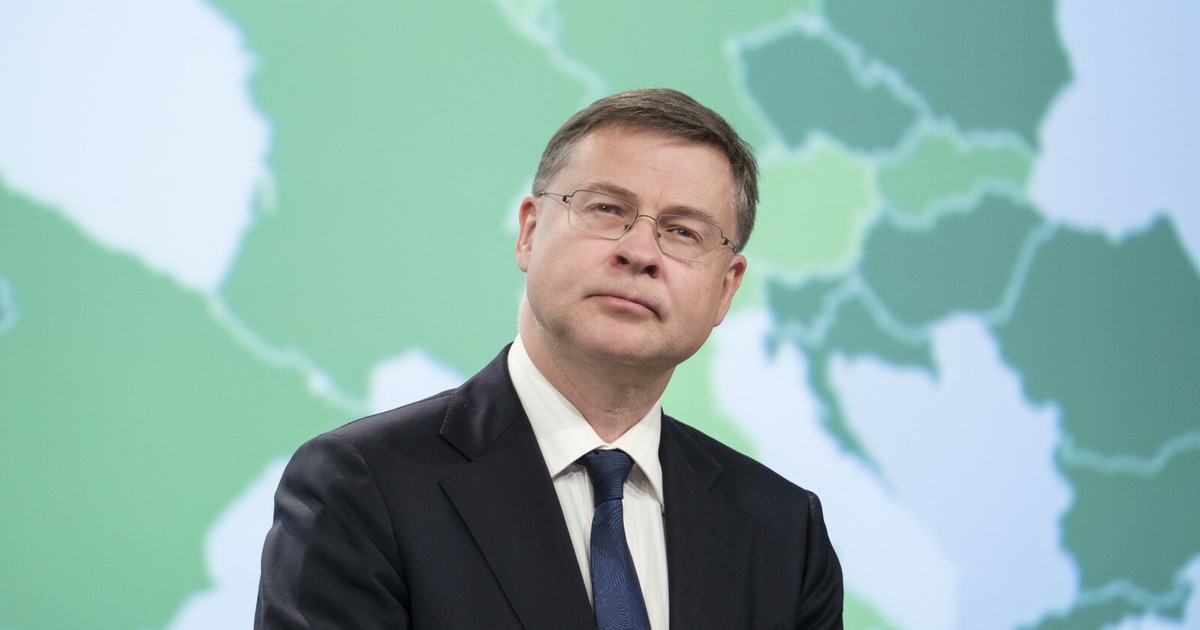
EU Commissioner for Economic Affairs Valdis Dombrovskis spoke on the matter for Polish Radio. — We also expect that Poland's debt ratio will exceed 60 percent this year. GDP, so the need for fiscal correction is clearly visible. It is necessary to put the deficit on a downward path – he assessed.
Driven by armament and consumption
On the other hand, our country records excellent results in the area of economic growth. This year's Poland's GDP is expected to increase by 3.5%, which gives us 2nd place in the EU, just behind Malta. Next year, the dynamics will slow down slightly to 2.8%. GDP, which will push us to the 3rd position (behind Malta and Ireland).
The high deficit turns out, paradoxically, to be fuel for growth. — Poland provides stimulus for the economy. We see spillover effects from higher military spending, but there is also an increase in private consumption based on relatively strong wage growth – explains Dombrovskis.
Read also: Retirement age in Poland is rising. This has already happened
He adds that the strong foundation from last year meant that the Polish market did not experience any decline related to the war in the Middle East, and the domestic labor market remains stable.
Inflation up, relief in ETS 2
However, the good results are overshadowed by energy prices, which boosted inflation forecasts. According to the EC, inflation in Poland will amount to 3.6% this year and drop to 2.9% next year.
However, a key political decision to postpone restrictive climate reforms will benefit consumers and slow down prices. This is the EU's ETS 2 system, which imposes additional fees on transport and construction. The system, which was originally scheduled to enter into force in 2027, will come into force a year later, in 2028. This will give the Polish economy additional time to adapt to the new realities.