As reported by Reuters, The British government on Tuesday gave official permission to purchase diesel and jet fuel refined in third countries from Russian oil.
This decision also includes consent to purchase any services related to this import. The entire procedure was included in the framework of a broader trade license, which exempts selected products from previously applicable sanctions.
New British regulations come into force on Wednesday. According to the official government announcement, at the moment their validity has not been limited in time.
However, London reserved the right to keep its finger on the pulse – the regulations being introduced will be subject to systematic review and, depending on the development of the geopolitical situation, they may be modified or completely canceled at any time.
The conflict with Iran forces concessions
Oil from Russia has been subjected to harsh Western sanctions in direct response to the Russian invasion of Ukraine. However, the sudden relaxation of these restrictions by the Anglo-Saxon powers is not accidental.
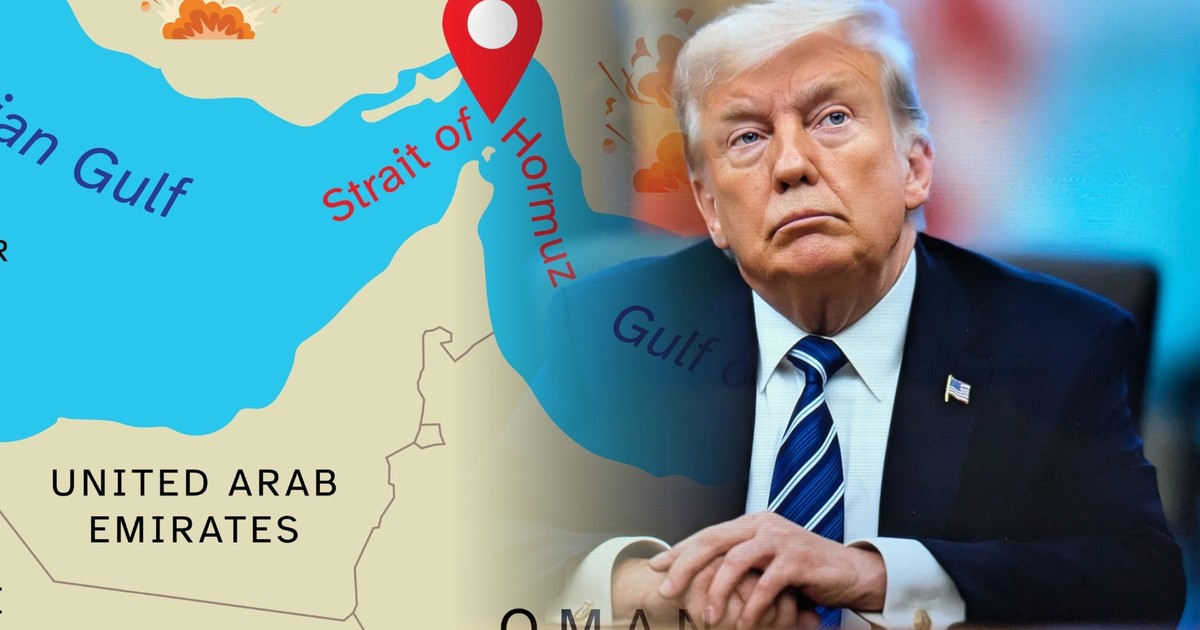
Experts indicate that this move is a direct result of the strategic blockade of the Strait of Hormuz, which occurred as a result of the US and Israel's war with Iran. The cutting off of key oil routes in the Middle East forced the West to look for alternative sources of fuel supplies to avoid global transport paralysis.
At the same time as London, Washington decided to take a similar step. The US Ministry of Finance has just announced the issuance of a third license suspending sanctions for the purchase of Russian crude oil loaded on ships.
- Read also: Will they collect cans, bottles, glass and cartons from home? The deputy minister of climate talks about changes in the deposit system
Brussels protests: this is not the right moment
Meanwhile, European Union allies are watching the decisions made in London and Washington with great concern and distance. Brussels believes that concessions to the Kremlin may be perceived as Western weakness and harm existing efforts to support Kiev.
These concerns were expressed in Tuesday's statement before the meeting of the G7 finance ministers in Paris. The EU Financial Commissioner, Valdis Dombrovskis, directly referring to the US administration's decision to suspend sanctions on Russian oil, clearly criticized this move in a conversation with journalists.
“From the EU perspective, this is not the right time to ease the pressure on Russia,” Dombrovskis firmly emphasized. The clear division within the Western coalition shows how great a challenge it is for the world economy to simultaneously manage the energy crisis and the war crisis on two different fronts.