The story of the only Van Gogh from Romania, exhibited for the first time at Art Safari New Museum. A recovered collection

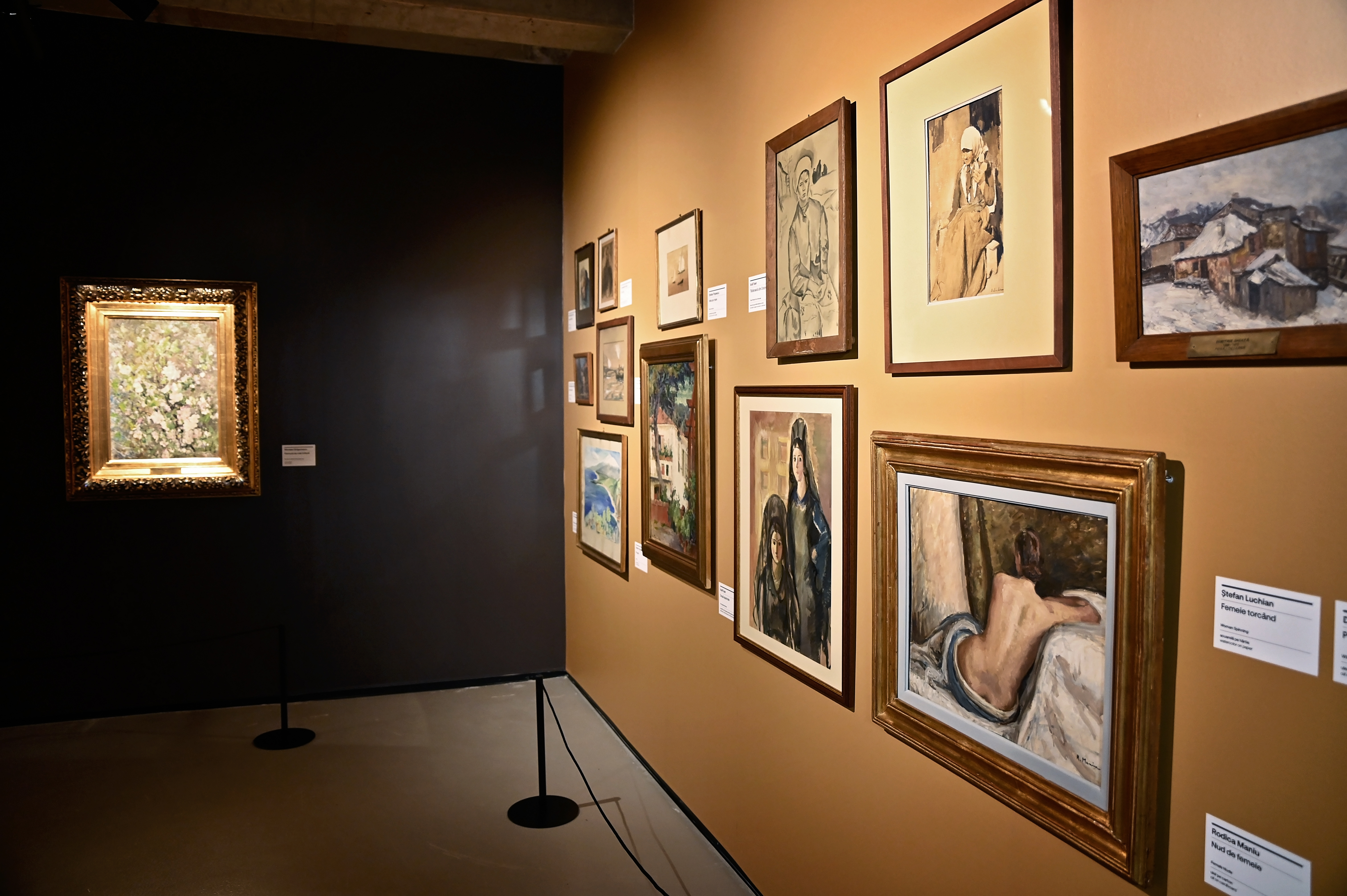
The story of the Slătineanu collection, which has been going on for over a century, begins with a Van Gogh bought in Paris around 1900. The Slătineanu family gathered, in the first half of the 20th century, one of the most valuable private collections in Romania. The exhibition “The Recovered Collection. The Slătineanu Story” now brings it to the public's attention, at Art Safari New Museum. Among the works of particular importance is a Van Gogh, along with two masterpieces signed by Grigorescu.
How a Van Gogh arrived in Romania
“The Carrot Picker”a charcoal work on paper by Vincent van Gogh, in 1885, is the only work by Van Gogh in a collection in Romania.
Around 1900, Alexandru Slătineanu and Ioan Cantacuzino, both scientists and medical researchers in Paris, discovered the work in the gallery of Ambroise Vollard (1866–1939), in Rue Laffitte no. 6. Ambroise Vollard was one of the most famous art dealers in Europe, whose name is associated with the success of Picasso, Matisse and Gauguin.
They both want it in their own collection, but they reach an agreement and in the end, the work is purchased by Slătineanu. Van Gogh's works were still selling at affordable prices at the time, with the Dutch artist achieving posthumous fame.
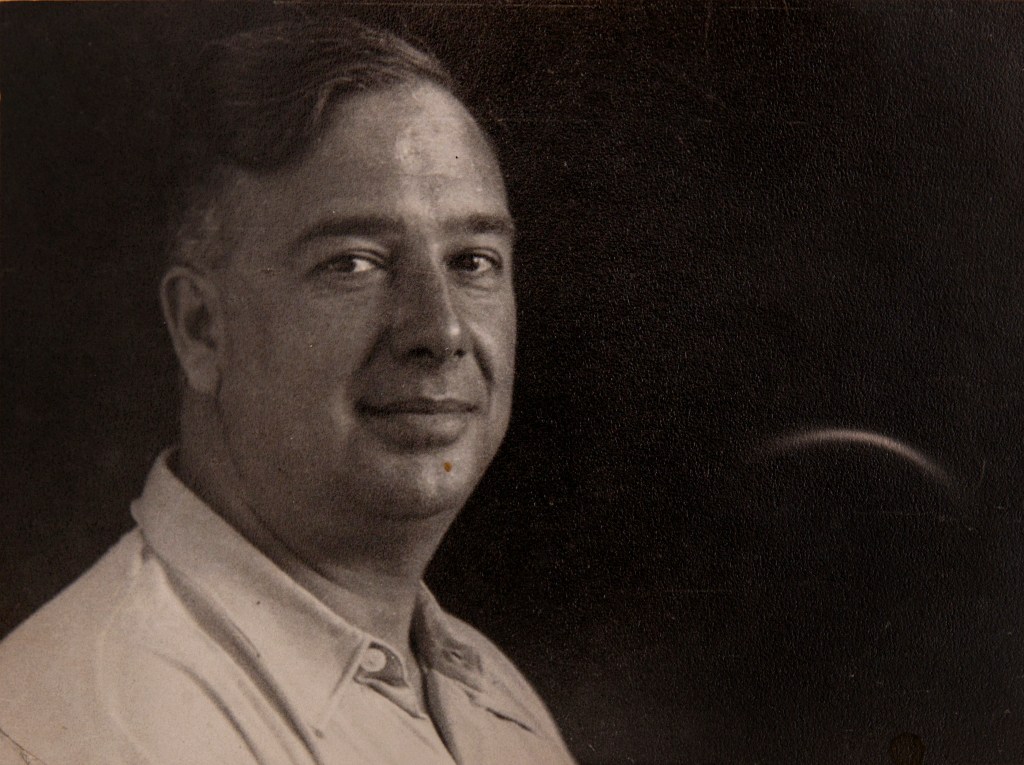
Alexandru Slătineanu, one of Romania's most refined collectors
Alexandru Slătineanu (1873–1939) was a bacteriologist, epidemiologist and university professor – one of the outstanding personalities of Romanian medicine at the beginning of the 20th century. He studied in Paris and specialized at the Pasteur Institute, under the guidance of Ilia Mecinikov and alongside Ioan Cantacuzino. He returned to the country to lay the foundations of modern research in microbiology, worked as a professor at the Department of Bacteriology and held the position of rector of the Mihăilene University in Iasi between 1923 and 1926. He participated in the fight against cholera epidemics during the Second Balkan War and the First World War, obtaining the rank of colonel.
At the end of the 19th century, he went to Paris with his friend Ioan Cantacuzino. The two frequent Parisian auctions and antique shops and purchase objets d'art. Thus is born the passion for collecting that will define entire generations of his family.
A recovered collection
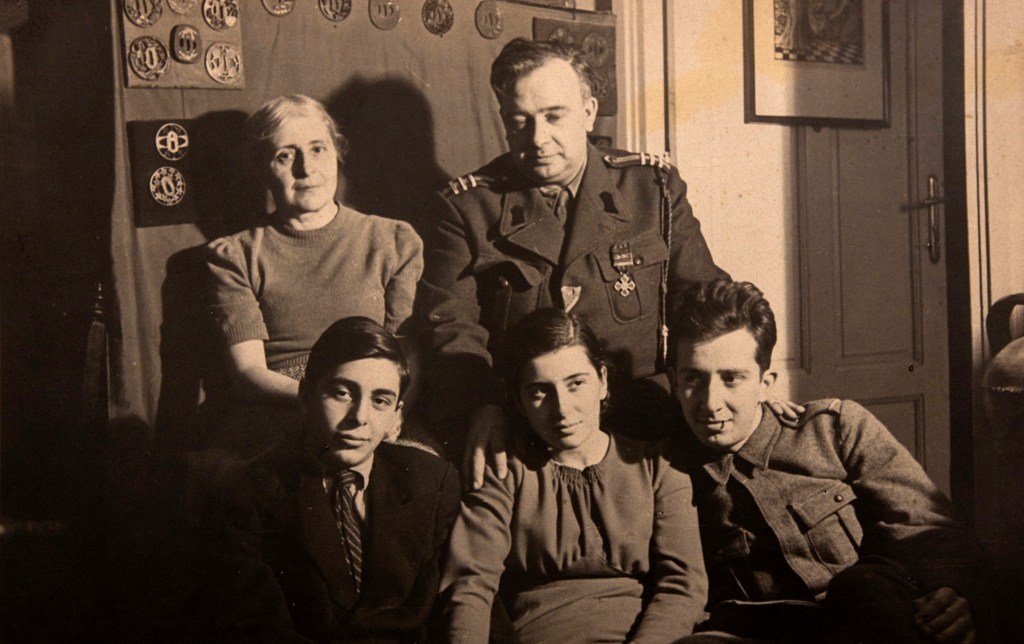
The Slătineanu collection is one of the most valuable in Romania, from the first half of the 20th century. Recovered after decades, it now comes before the public at Art Safari New Museum – a cultural and historical restitution.
The collection is based on the passion for collecting of two generations: Alexandru Slătineanu (1873–1939) and his son, Barbu Slătineanu (1892–1959). It contains hundreds of pieces: European and Oriental weapons, furniture, paintings, engravings, jewelry, ceramics, decorative objects, folk objects and archaeological pieces. The collection is organized into two large sections – the collection established by Alexandru and the one established by Barbu, especially popular ceramics.
Although the collection was taken over by the state, in pieces, during the communist regime, in 2026 it was returned to the heirs, following a claim process that stretched over several years.
The exhibition “The recovered collection. The story of Slătineanu” can be visited until July 19, 2026, at Art Safari New Museum, in Amzei 13. Tickets on artsafari.ro.
Media partnership