
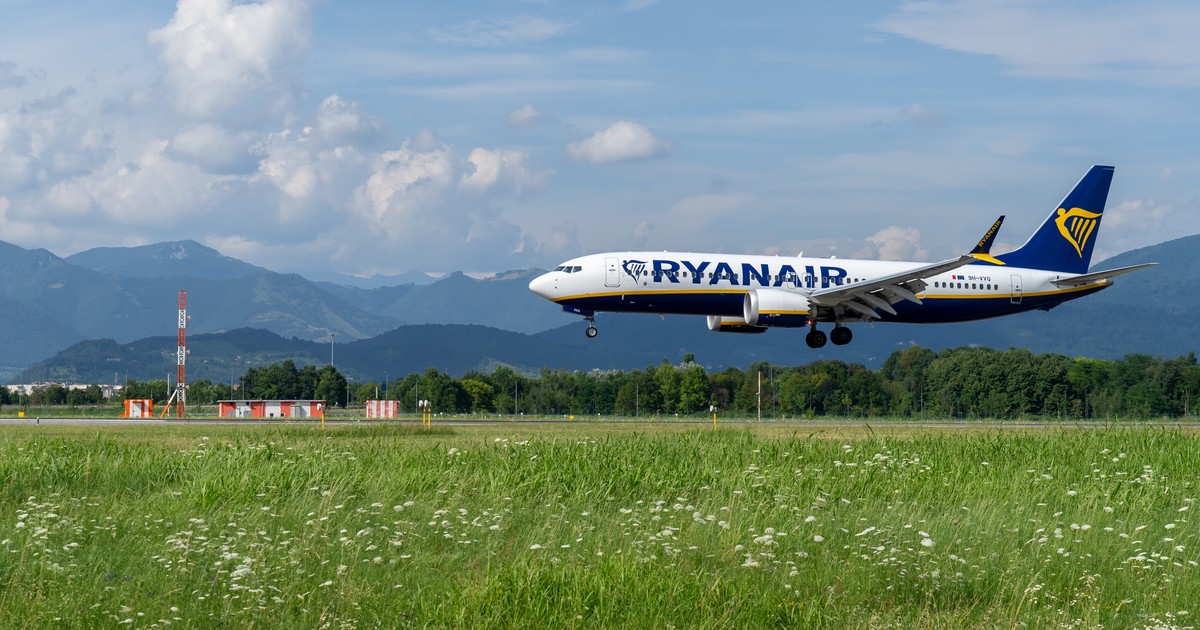
The reason is a sharp financial dispute with the airport operator, Fraport, and the Greek government.
Read also: Skoda will spread its sails in Poland. “InPost is a good example”
As reported by Reuters, the effects on the city, which are 90 percent based its international movement on the Irish line, can be “catastrophic”.
Ryanair's commercial director, Jason McGuinness, was quoted by the agency as announcing on Friday in Athens that talks with the Fraport operator have reached a dead end. The carrier accuses the company of increasing fees, which, according to the airline, are currently 66 percent higher. higher than before the pandemic. In response to Ryanair's lack of compromise withdraws three machines based there from Thessaloniki, which means a loss of PLN 500,000. seats on planes and the liquidation of 10 routes in the winter season.
Conflict of interest and mutual accusations
Fraport Greece strongly denies the carrier's allegations, calling them “completely groundless”. According to the operator, the decision to cut is not related to airport fees or the airport development tax (ADF) imposed by the state. The company claims that Ryanair's move is solely due to the airline's commercial strategy, business model and profit calculations.
Ryanair, in turn, indicates that airports in other countries reduce costs, which allows them to develop connections and tourism at the expense of Greece.
Read also: Group layoffs 2026: where companies are cutting jobs
Greece loses Ryanair, but its neighbors gain
The cuts are not limited to Thessaloniki. The carrier also announced a reduction in capacity in Athens, which, including the base in Thessaloniki, means a loss of PLN 700,000. places and 12 routes throughout Greece. Additionally Operations at Chania and Heraklion airports will be suspended during non-peak months.
Planes withdrawn from Greece will not be grounded — will go to Albania, Italy and Sweden. McGuinness emphasized that the governments of these countries have decided to provide relief in aviation taxes, which attracts investment and creates new jobs.
Uncertain fate of workers and tourism
The decision to close the base calls into question the fate of 100 people employed in Thessaloniki. Although the airline's management has not yet confirmed the job cuts, local authorities express deep concern about the impact of this decision on the labor market in the tourism sector.
Greece, one of the most popular holiday destinations in the world, relies largely on tourism. The market leader's sharp reduction in winter flights could hamper the country's efforts to extend the tourist season beyond the summer months. It is worth adding that Thessaloniki is not the only victim of Ryanair's new strategy – last month the airline closed its base in Berlin, also citing too high taxes and fees.


