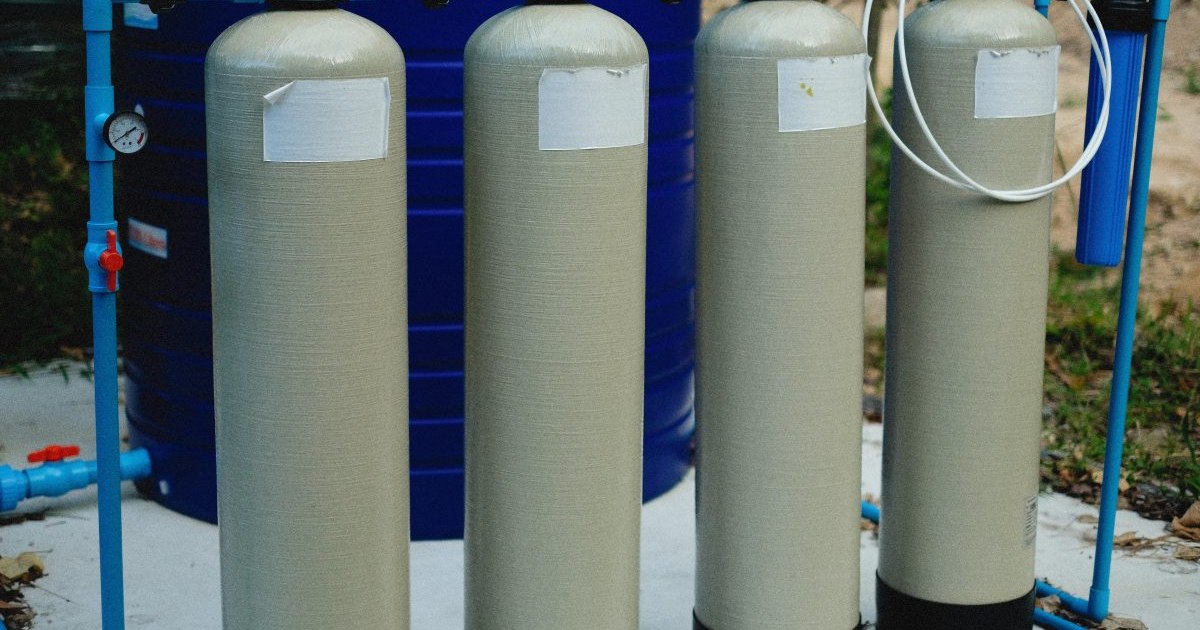
In the current economic context, marked by increasing operational costs and increasingly strict environmental regulations, water management has ceased to be a simple matter of public utility.
For manufacturing facilities, commercial complexes and large communities, water has become a strategic asset. The recovery and reuse of this resource through advanced filtration technologies is not only a gesture of ecological responsibility, but a pragmatic business decision, capable of generating substantial savings and ensuring long-term stability.
Cost optimization through mechanical pumping and filtration systems
The foundation of any water reclamation strategy begins with a robust transportation and pre-treatment infrastructure. The heart of these processes is represented by high-performance pumping systems. Modern pumps, made of corrosion-resistant materials such as stainless steel or special polymers, are designed to work continuously, ensuring the circulation of water through the various stages of purification.
The direct economic benefit occurs through the integration of automation. Pumps equipped with frequency variators adjust their energy consumption according to the flow requirement, drastically reducing the electricity bill. This efficiency is doubled by the use of sediment filters. Their role is to remove sand, rust and other solid particles that could damage expensive downstream equipment. By protecting pumps, valves and heating systems, sediment filters reduce the frequency of service interventions and extend the life of the entire installation. In an industrial system, preventing a single unplanned production shutdown due to equipment clogging can cover the cost of the filtration system for an entire year.
Membrane separation technologies and economies of scale
The pinnacle of advanced filtration is membrane technologies such as reverse osmosis, ultrafiltration and nanofiltration. These systems act as selective barriers that allow pure water to pass through while retaining dissolved salts, bacteria and other impurities. From an economic point of view, the main advantage of these technologies is the ability to transform wastewater or water with high salinity into a high-quality resource ready for reuse.
The implementation of reverse osmosis systems allows production units to reduce the volume of fresh water purchased from the public network. Recovered water can be reintegrated into cooling circuits, boiler systems or primary sanitation processes. Furthermore, these systems are modular and scalable, meaning that the investment can be made incrementally as recovery needs grow.
Another crucial financial aspect is the reduction of dumping fees. Many municipalities charge companies based on the volume and organic load of the water discharged to the sewer. By filtering and reusing the water in a closed circuit, the discharged volume drops considerably, automatically reducing these fixed costs. In addition, membrane technologies reduce the need for water treatment chemicals, lowering supply costs and simplifying inventory management.
Intelligent control and the added value of secondary treatment
The economic success of a recovery system depends on the precision with which it is monitored. Measurement and control devices such as pH, conductivity, and flow sensors provide real-time data that enables optimization of energy and reagent consumption. Correct monitoring prevents scaling or corrosion phenomena, which would otherwise degrade the efficiency of heat transfer in boilers and cooling towers, leading to massive energy losses.
To achieve maximum safety at minimum cost, recovery systems often include ultraviolet (UV) disinfection. This technology removes microorganisms without introducing chemicals into the water, which means that the taste and chemical composition remain unchanged. It is a highly energy-efficient method that ensures the microbiological compliance of reclaimed water for non-potable uses such as irrigation or fire supply.
Complementing the process, the use of ion exchange resins and active filter media (such as activated carbon) allows for the removal of chlorine, odors and heavy metals. These materials can often be regenerated, providing a sustainable solution that maximizes the yield of each cubic meter of water processed.
In conclusion, water recovery through advanced filtration technologies transforms water management from a cost center to a source of efficiency. By reducing energy consumption, lowering water and sewer bills and protecting critical infrastructure, these systems offer an extremely attractive return on investment. In a world where the water resource is becoming increasingly limited, the ability to filter, clean and reuse water intelligently is the central pillar of a modern and resilient economy.