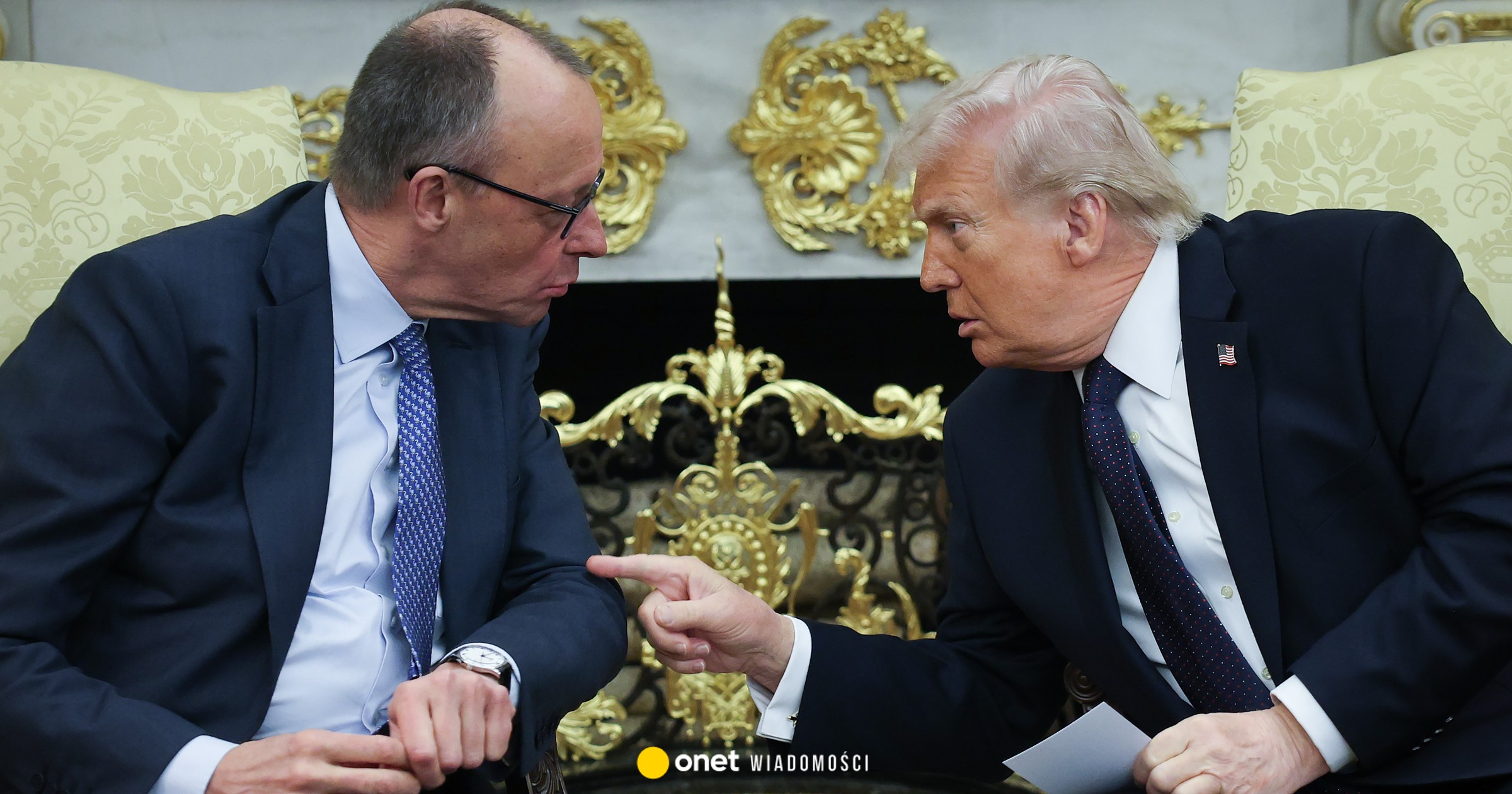
German Chancellor Friedrich Merz is trying to ease tensions with US President Donald Trump, saying their relationship remains strong despite a sharp public spat over the war with Iran.
“In my opinion, the personal relationship between the president of the United States and me remains as good as ever,” Merz said at a news conference. — We still (…) maintain good relations.
He added that his latest criticism of the conflict in the Middle East was related to the effects of the war, not Trump's leadership. “In Germany and Europe, we are suffering greatly because of the closure of the Strait of Hormuz,” he said, mentioning rising energy costs and economic tensions.
A screenshot of Donald Trump's profile on Truth SocialTruthSocial
He warned that a nuclear-armed Iran would hold “the whole world hostage,” and then turned to the issue of the German economy. “No wonder Germany is doing so poorly, both economically and otherwise!”
Merz's attempt to stabilize relations came after he toughened his stance towards Washington. When the Iran war began on February 28, the chancellor was generally supportive of U.S. goals. However, as the conflict dragged on, its tone became more and more harsh.
On Monday, he said that the Trump administration is being manipulated and humiliated by the regime in Tehran and that there is no clear strategy to end the conflict. He compared this situation to previous US problems in Afghanistan and Iraq.
Merz also lamented that the conflict was damaging the German economy. “It's costing us a lot of money,” he said.
The verbal criticism did not end there. Germany rejected US calls for transatlantic military involvement, emphasizing that the conflict “is not a NATO war.” They offered only limited assistance — sending minesweepers to secure the Strait of Hormuz after the fighting ended.