The war in Iran has been good for Starmer – at least for now. A difficult test is coming for the government

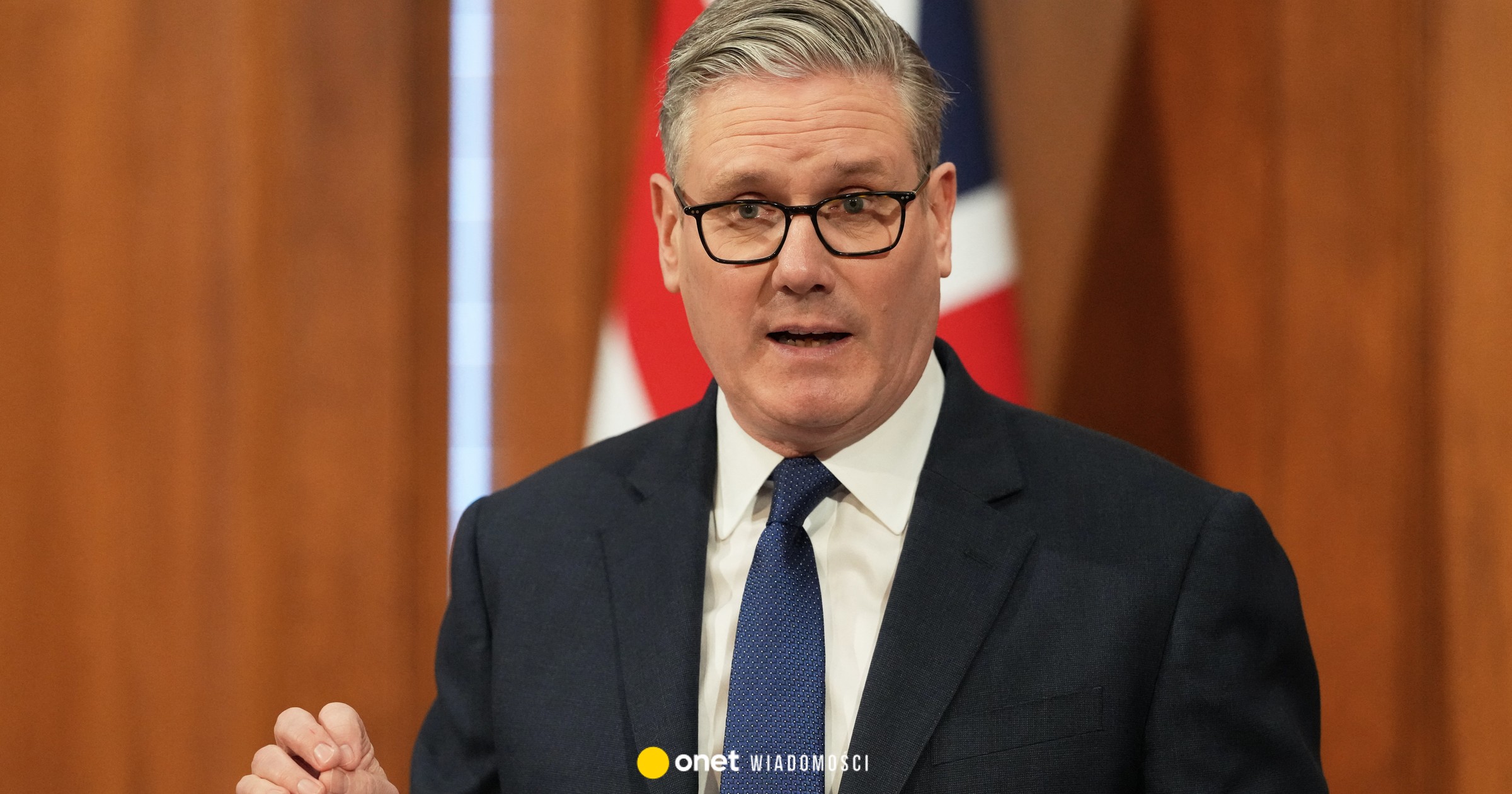
There is no doubt about it, Keir Starmer's position is still weak. But with the fragile ceasefire appearing to be at risk, the British Prime Minister is less likely to have to fight to maintain his leadership after the regional elections for the Scottish and Welsh parliaments on May 7. Labor MPs who previously questioned his authority now do not want to destabilize the government in the middle of an international war.
But a conflict that helps him politically may also undermine the economic strategy on which his position depends.
Starmer's handling of the crisis so far was not flawless. Britain sent a warship to the Mediterranean too late, irritating allies including Cyprus, the United Arab Emirates and Jordan. Relations with the United States also deteriorated after US President Donald Trump criticized Starmer for initially refusing to allow American planes to take off from British bases to bomb Iran.
In fact, the so-called The special relationship between Washington and London is currently so tense that senior British officials fear it could impact intelligence cooperation.
However, the war had a political impact on the country proved to be an undeniable asset for Starmerwhich gained support from both the public and the Labor Party.
Voters fear being drawn into another conflict in the Middle East and support a prime minister who is willing to stand up to Trump. At the same time, many MPs scoff at the idea that Deputy Prime Minister Angela Rayner, or any other senior politician, would have handled this crisis better. They also argue that this is not the time for further instability.
However, while the conflict strengthened Starmer's short-term political position, Downing Street is increasingly concerned about its economic consequences.
Labor ministers had hoped that voters would start to see improvements in living standards this year, but those hopes are now in doubt: inflation is expected to remain closer to 3%. than the Bank of England's 2% target, and interest rates are unlikely to fall as much as previously forecast. Moreover, mortgage rates have already started to rise again, creating further difficulties for a government that has made the cost of living crisis its top priority.
Starmer is therefore preparing British public opinion for an economic shock. Publicly, the government repeats that the impact of the conflict will depend on how long it lasts. Privately, he develops contingency plans to help households pay their energy bills.
But ministers warn there is no financial scope for universal help to reduce energy bills, such as the £40 billion (PLN 195 billion, 380 million) package introduced by former Prime Minister Liz Truss in 2022 after Russia invaded Ukraine. This means that any government intervention will be targeted only at those who need it most.
British government under pressure
Finance Minister Rachel Reeves is likely to be forced to take action as soon as Ofgem – the UK's energy regulator – announces an increase in the energy price cap from July 1. However, maintaining energy bills at current levels would cost the government approximately £6 billion (PLN 29 billion, 307 million), which – given the realities of the minister's budgetary rules – would leave limited scope for greater intervention. The government will also struggle to implement the planned 1p per liter fuel tax increase in September, especially if petrol prices rise further due to the prolonged conflict.
As a result, ministers now fear that voters will blame the government for higher energy and fuel costs, regardless of their international causes.
Prime Minister Keir Starmer and Chancellor of the Exchequer Rachel Reeves in Rugby, UK, November 27, 2025.Jacob King – WPA Pool/Getty Images/Getty Images
If the ceasefire collapses completely and the war continues, government insiders also fear that Reeves will be forced to present a more generous support package worth £10 billion or more, but without the modifications to fiscal rules as many Labor MPs – including some ministers – would like. The Treasury believes that bond markets would then punish the government by further raising already relatively high financing costs.
And since it would be impossible to take out more loans, Reeves would face a difficult choice: cuts in public spending or tax increases.
The mood among Labor MPs, combined with Starmer's fragile position within his own party, makes spending cuts virtually impossible – meaning the finance minister's third budget this autumn could be the third to raise taxes. This, in turn, would revive debate within the government about breaking Labour's 2024 election promise not to raise income tax rates by introducing a special “defense tax” to protect Britain in the new world.
In an ominous sign for Labor, voters will soon have a golden opportunity to express their dissatisfaction with Starmer at the May 7 election. And whatever support the prime minister gains by taking a tougher stance on Trump will may be overshadowed by anger over rising prices.
To sum up, Starmer's lifeline in the form of Iran may only prove temporary. And while he needs Trump to end the war quickly and limit the economic damage, he may also need a prolonged crisis to keep Labour's critics at bay.