Article by Adrian Duţă – Published Saturday, April 11, 2026, 12:56 / Updated Saturday, April 11, 2026 1:14 p.m.
For the legendary Mircea Lucescufootball has gone beyond the boundaries of the green rectangle. The most titled Romanian coach has always been a follower of the idea that players must have as rich a general culture as possible. And this also emerges from a sensational interview that appeared 54 years ago in “Teatrul” magazine, Attention!
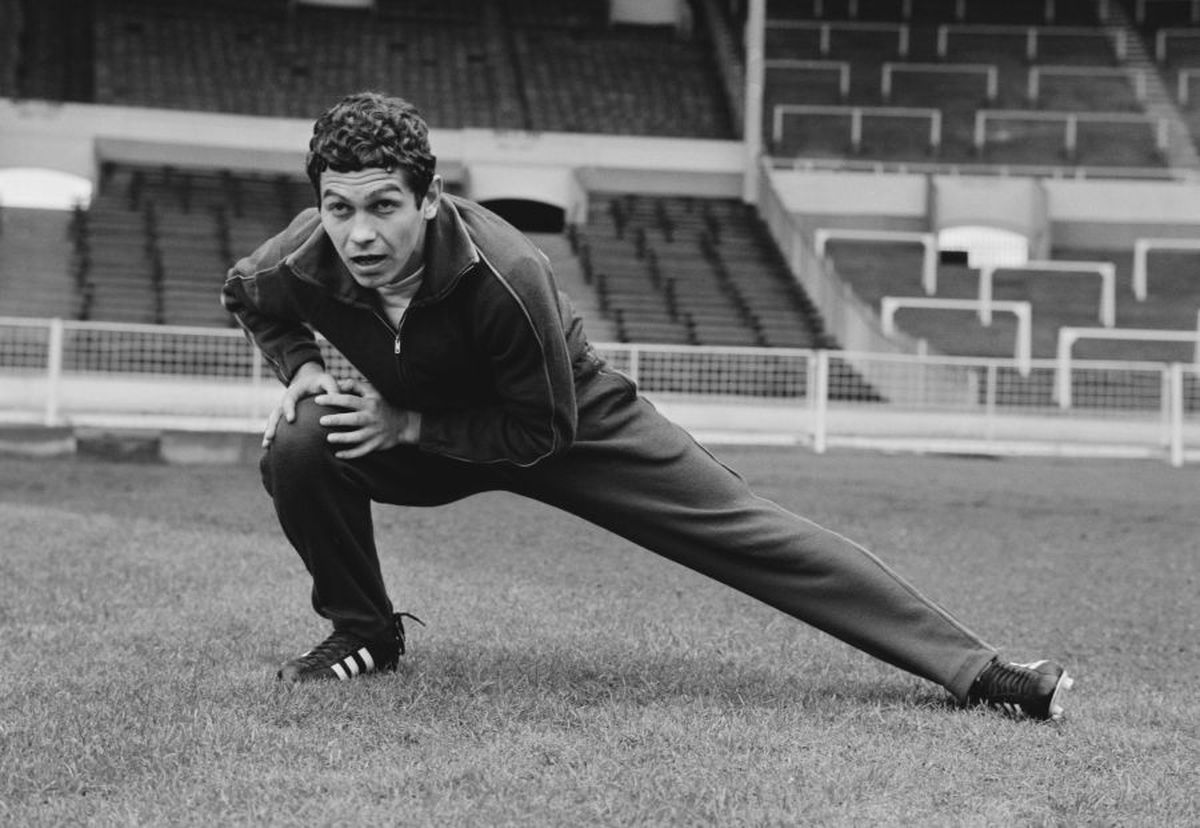
In 1972, Mircea Lucescu was 27 years old. Two years had passed since he was the leader of Romania at the World Championship in Mexico and since he exchanged shirts with the legendary Pele.
Ever since then, Mircea Lucescu had the idea of the importance of theater and art in everyday life rooted in his mind. He claims to attend shows all the time, sometimes as many as 4 a week. For decades to come, he instilled his mentality in hundreds of players who passed through his hand.
Below, the interview given by Mircea Lucescu in 1972 in “Teatrul” magazine, brought back to the fore now by the journalist Ionuț Sociu:
Mircea Lucescu, in 1972: “Today's football also requires a serious knowledge base from all fields: art, science, culture”
“I hope you will not ridicule me or make a defamatory caricature of me, as happened to me a few years ago, when I dared to confess that I liked Apollinaire or Eluard.
There is a sad and deep-rooted prejudice among us, according to which we, the “actors” of the show of the century, football, would be some troglodytes, some embittered dilettantes.
I was once talking to Pittiş and Caramitru, who told me that today's modern theater demands athletic performance, that the time of the actor immobilized in an armchair is gone. Today's football, in turn, also requires a serious knowledge base from all fields: art, science, culture, etc.
I go to the theater all the time. Sometimes I go on a… storm and see four shows a week. Being very fond of poetry, I went to all the poetry performances of Radiotelevision.
Many actors impressed me; but especially Irina Răchițeanu-Şirianu, with her simple, sensitive and profound way in which she penetrated and rendered the mystery of the lyrics.
I thought the poetry show performed by Caramitru, Pittiş and Elena Caragiu at the Bulandra Theater was extraordinary. Besides, I never missed a production at this theater. From “Strindberg's Play” to “Leonce si Lena”, from “D-ale carnival” to Ciule's “Lost Letter”.
“I have read all the American and English plays that have been printed here and I have come across extremely interesting plays”
“I find these different staging formulas of the same play very interesting and very useful. It's a shame that they are applied so rarely. It's also a shame that our theater, with such great performers, does not make wider inroads into the field of ancient, classical and especially modern contemporary theater.
I have read all the American and English plays that have been printed here and I have come across extremely interesting plays that I don't know why they are not performed. I read the passionate play by Peter Weiss, «Marat/Sade», which, until now, no theater has included in its repertoire. I saw a staging of the play “Fiddler on the Roof” in Liverpool.
I was troubled by perfection, by the organic integration of music and art, by the acuteness of the idea, expressed by an original game of great spontaneity.
I wonder, then, why those reading performances are not resumed. Those theatrical history lessons, illustrated with fragments or whole plays so necessary in the education of the adult or child spectator.
I speak here on behalf of my child, whom I would force to go to such performances with the piece read beforehand, just as music lovers are wont to go to a concert with sheet music in hand. The actors would respond, I believe, with enthusiasm to such actions, which would, I hope, also catch on with the public”.
Mircea Lucescu, mentor for entire generations
Later, when he became a coach, he guided his students to enrich their knowledge outside of football, encouraged them to go to college and tried to introduce them to the world of culture as much as possible.
“Il Luce” used to take his footballers to theaters and museums during training camps and trips around Europe. Recently, after the death of Mircea Lucescu, Claudiu Vaișcovici, former striker at Dinamo, told that he got to see the Louvre Museum thanks to his mentor.
Mircea Lucescu wrote history in football
-
Mircea Lucescu took his first steps in football at Dinamo Bucharest, the team with which he has spent most of his career. He also performed at Știința Bucharest and Corvinul Hunedoara.
-
As a player, he won 7 championship titles and a Romanian Cup, all with Dinamo.
-
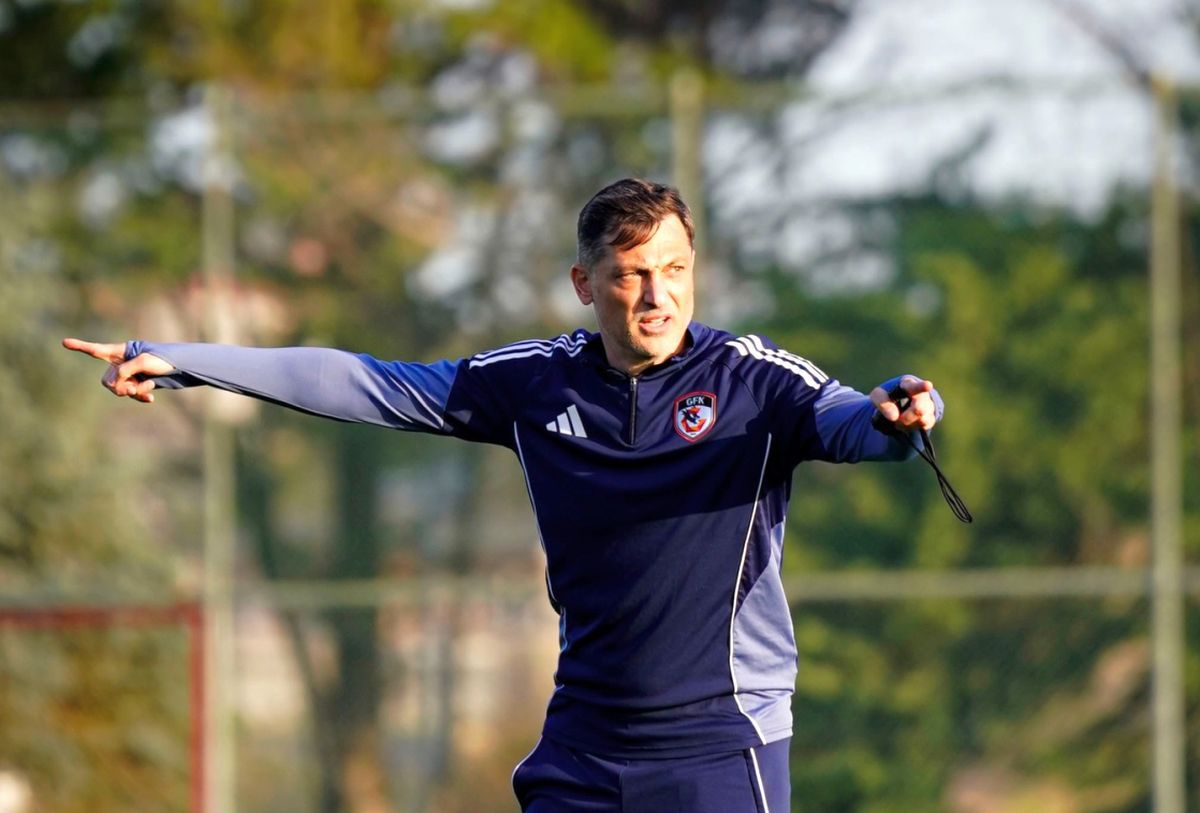
Throughout his coaching career, he trained Corvinul, the Romanian national team, Dinamo, Pisa, Brescia, Reggiana, Rapid, Inter, Galatasaray, Beşiktaş, Shakhtior, Zenit, the Turkish national team and Dinamo Kiev.
-
He won 36 trophies in his career as a technician: 9 times the championship of Ukraine, 8 times the Ukrainian Cup, 7 times the Ukrainian Supercup, 3 times the Romanian Cup, 2 times the Romanian championship, 2 times the Turkish championship, as well as the UEFA Cup, the European Super Cup, the Russian Super Cup and the Anglo-Italian Cup.