The escalation of the conflict in Iran has caused turbulence in global markets and fears about inflation, but China has managed to remain relatively stable, thanks to its energy reserves, diversification of sources and reduced exposure to foreign capital.
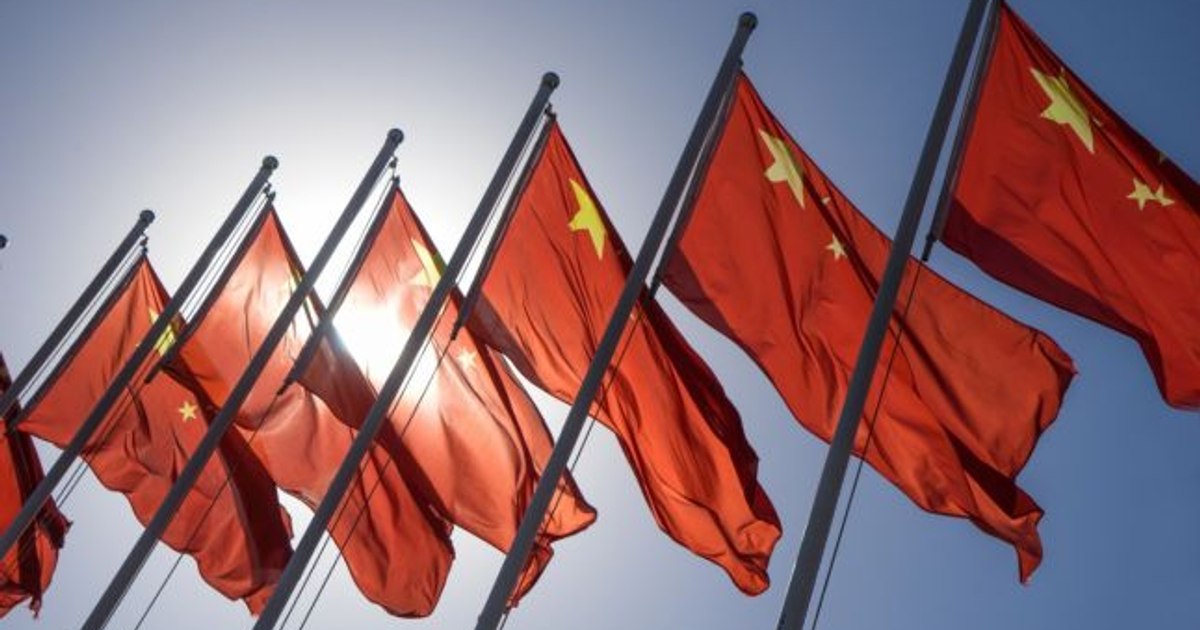
How China became immune to Middle East energy shocks PHOTO: Shutterstock
Although it is one of the world's largest oil importers, China has avoided a major shock, even in the context of the blockades in the Strait of Hormuz. The explanation lies in a strategy built over time: the diversification of energy sources and the accumulation of massive reserves.
With more than 1.2 billion barrels of oil in stock and an energy mix that includes coal, renewables and LNG, the Chinese economy is less vulnerable to crises in the Persian Gulf.
“Much of the low correlation seen in its capital markets in recent weeks surely stems from the fact that, as the world's largest oil importer, it has been strategically thinking about war for some time now.”said Julian Howard, chief investment strategist at Gam, according to CNBC.
An advantage built after tensions with the US
Analysts say this resilience was accelerated after the 2018 trade war with the US.Back then, Trump hit China head-on, and what has happened since then is that China began to prepareand they started to become more resilient and independent”explained Peter Boockvar.
He added: “Our attempt to limit their access to our technology only encouraged them to develop theirs.”
Bonds, a stable haven
While other safe-haven assets fluctuated, Chinese bonds held steady. The 10-year yield held around 1.81%, in contrast to the sharp rise in US yields.
“Importantly, the main problem of this crisis was the inability of countries to react effectively, given very high fiscal deficits, debt levels and inflation at uncomfortable levels”said Gustavo Medeiros.
“China is facing deflation, so its bond market has been less exposed than other major markets.”
In addition, reduced reliance on foreign investors limits the risk of massive capital withdrawals.
A global rival and possible regional stabilizer
In the long term, China remains the only country that can compete with the US in several key industries, from artificial intelligence to electric vehicles. “There is only one country, namely China, which competes strongly with the US in all industriesLiqian Ren said.
At the same time, Beijing is trying to strengthen its role in Asia by providing energy support. “We are here to provide economic development… and we can help ensure security of energy supply… we can provide stability,” Li Shuo explained.