
Gulf states are discussing building a pipeline to avoid transporting oil through the Strait of Hormuz

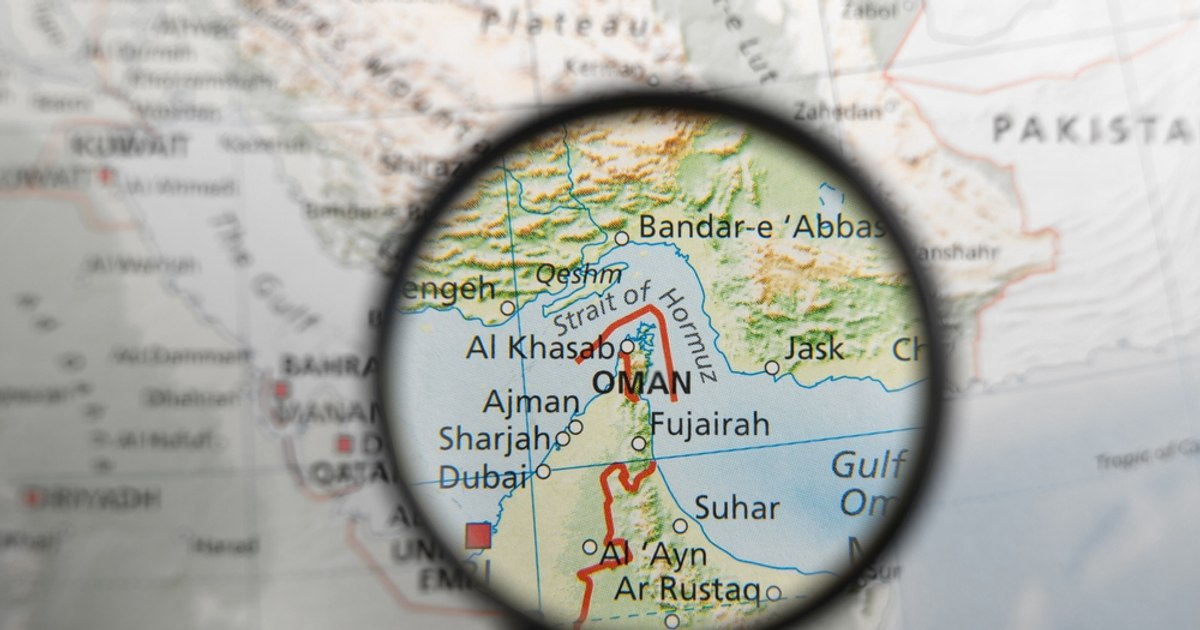
Persian Gulf countries are exploring new oil shipping routes that bypass the Strait of Hormuz, the Financial Times reports. Specifically, the publication reports that the construction of a pipeline is being considered to ensure an uninterrupted supply of oil from the region.
Strait of Hormuz, blocked by Iran
Saudi Arabia, the publication notes, already has the East-West pipeline, which allows oil from its fields to be transported to the Red Sea without passing through the Strait of Hormuz. One option is to expand pipeline capacity.
However, the Financial Times reports that larger-scale projects could also be discussed under the US-backed India-Middle East-Europe Economic Corridor (IMEC) initiative. The IMEC project, presented at the G20 summit in September 2023, envisages the creation of a transport network linking India, the Middle East and Europe, including pipelines, ports, railways and roads. The Israeli port of Haifa is expected to be a key hub along the route.
Christopher Bush, managing director of Lebanese construction company Cat Group, told the FT that interest in new pipeline projects was high even before the US-Israeli war with Iran. However, he noted that such projects would be expensive, politically complex and take years to complete.
Thus, according to his estimates, building a pipeline to transport oil from Saudi Arabia to the Red Sea would cost at least $5 billion, given that it would have to be built through the Hejaz mountain range. Pipelines to transport Iraqi oil through Jordan, Syria or Turkey would cost even more – $15-20 billion, Bush said, noting that in addition to technical difficulties, their construction would also involve high security risks.
Before the US and Israel's war with Iran, up to a fifth of all seaborne oil exports – about 20 million barrels per day – passed through the Strait of Hormuz, along with liquefied natural gas. Iran blocked shipping through the Strait of Hormuz in the very first days of the war, which became one of the main factors behind the sudden rise in global energy prices.
US President Donald Trump has said that the United States will not try to open the Strait of Hormuz. According to Trump, this is “a problem for the countries that receive oil through it to deal with”, and the US is only willing to assist them.


