Washington versus Cuban medical brigades. A confidential memo was leaked

In a Feb. 23 memo to Secretary of State Marco Rubio, State Department officials described a comprehensive strategy aimed at persuading countries in the Western Hemisphere — some of which are heavily dependent on Cuban medical aid — to abandon the program. The memo says the United States is offering countries that agree to stop employing Cuban doctors support in the field of “infrastructure modernization”such as telemedicine and virtual training, as well as assistance in the “ethical recruitment of medical workers from third countries”.
“The world's largest power is trying to strangle a tiny economy”
President Donald Trump announced that alongside Venezuela and Iran it is the Cuban regime that is on the list of opponents it intends to weakenalthough he described the plan as a “friendly takeover” rather than a threat of military intervention. In recent months, the U.S. has acted on multiple fronts — from tightening sanctions to blocking oil imports — to limit Cuba's ties with other countries.
Much to Havana's displeasure the number of countries that choose cooperation with the USA instead of Cuba is growingalso by giving up Cuban doctors. Some countries are bowing to American pressure, while others seem to be making such decisions on their own to gain Washington's favor.
— It is difficult to find partners in the conditions in which our economy operates under the American blockade, says Lianys Torres Rivera in an interview de facto Cuban ambassador to the United States. — The world's largest power is trying to strangle a tiny economy, a small country, an island that poses no threat to the United States.
Cuba has been sending tens of thousands of doctors and other health care workers around the world for decades, often to countries that have limited resources to finance their own health care. Cuban doctors are required to participate in such missions as part of free medical education in their country. Critics say the Cuban regime is actually trading in its health care workers and profiting from it. There have already been reports of their use. The Cuban government ensures that it uses revenues from medical missions to finance its own health care system.
“We are effectively strangling them economically and diplomatically.”
In a memo marked confidential but not classified, two senior State Department officials say their offices are implementing a plan to eliminating the Cuban medical mission program in the Western Hemisphere within two to four years. According to estimates from the note, approximately 19 thousand. Cuban health care workers work in 16 countries in the region, and in some of them they constitute more than 20 percent. medical staff.
“Dismantling the program deprives the Cuban regime of key revenue and influence in the region,” wrote Michael Kozak, senior official of the Office of Western Hemisphere Affairs, and Jeff Graham, senior official of the Office of Global Health Security and Diplomacy.
The Trump administration thinks it has a unique opportunity to radically transform and even end the rule of the Cuban regimewho has been in power for nearly 70 years. — It is generally believed that we can remove the regime without resorting to bombing. We are effectively strangling them economically and diplomatically, says a person close to the White House, who spoke anonymously due to the sensitivity of the topic. The White House referred requests for comment to the State Department.
Jeremy Lewin from the Department of State, responsible for foreign aid and creator of the America First Global Health Strategy, emphasizes that the pressure campaign is as much about cutting out the Cuban regime as it is about defending human rights.
“Cuban's medical brigades are a major source of hard currency for a failing regime and one of the most egregious examples of modern slavery and forced labor,” Lewin said.
The pressure on Havana is growing
The United States has long imposed economic sanctions on Cuba, and previous presidents have also targeted the medical mission program. However, since Trump returned to power, Washington has significantly increased the pressure on many levels. This includes, among others: re-inscribing Cuba on the list of state sponsors of terrorism on the first day of Trump's term in office, denying visas to some Cuban sports activists, and expanding the list of Cuban entities with which Americans cannot do business.
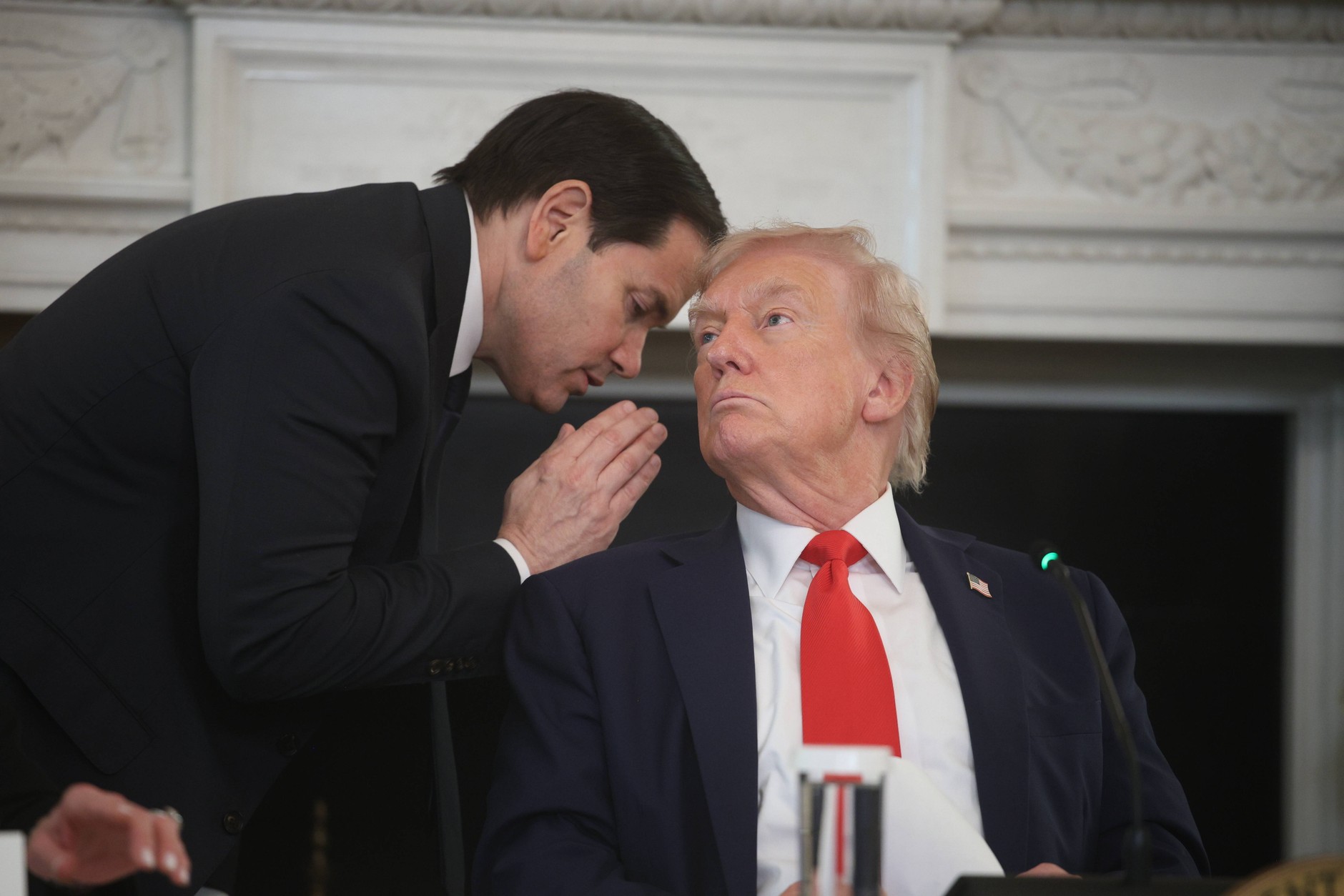
Marco Rubio, US Secretary of State, and President Donald Trump. Washington, October 8, 2025EPA/FRANCE CHUNG / POOL / PAP
Rubio also held informal talks with Cuban officials on political and economic reforms. Some critics of the Cuban government hope that continued pressure on the economy will force the regime to make changes, such as allowing free elections or easing repression on the island located just 145 km off the coast of Florida.
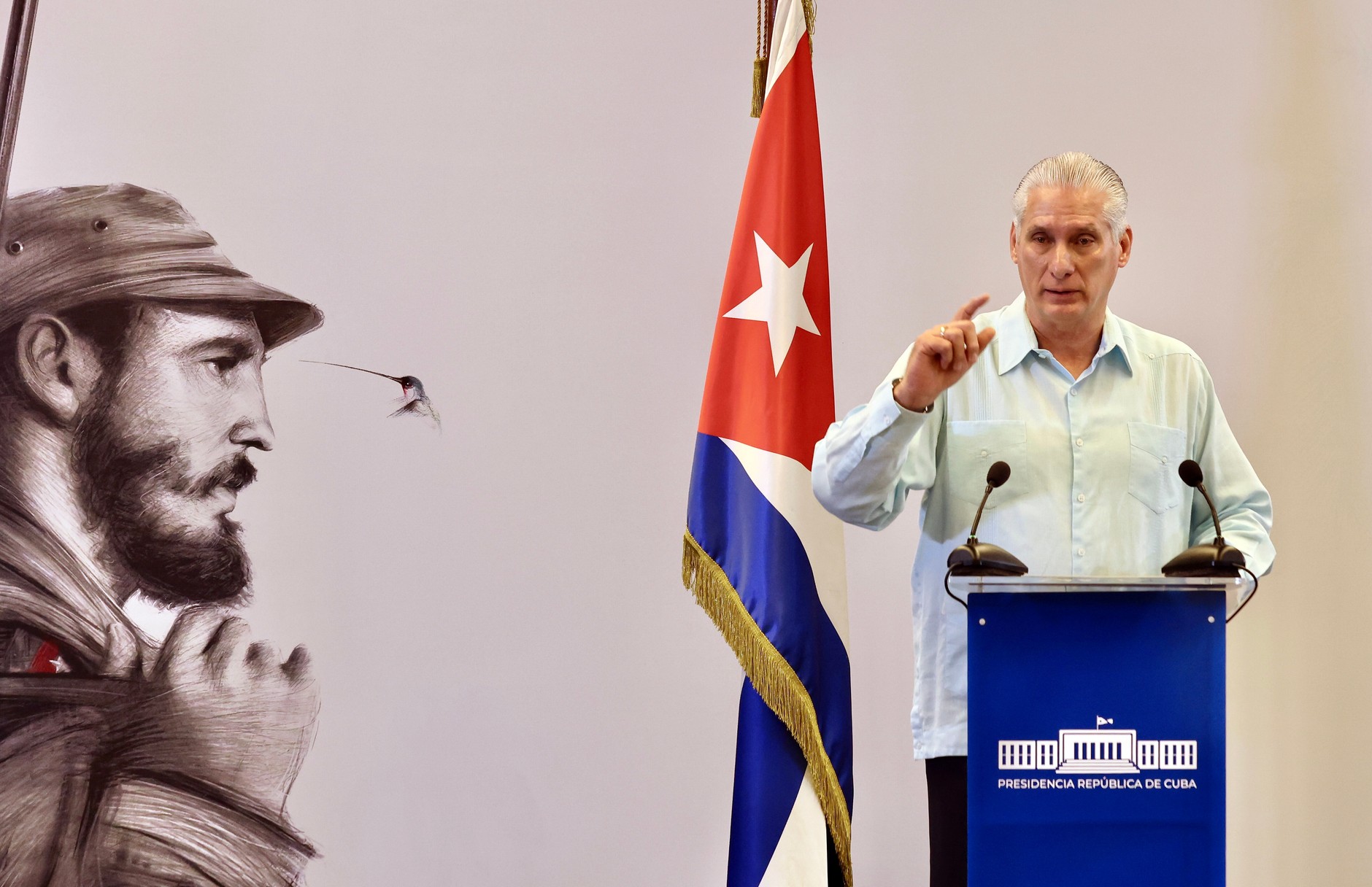
Conference of Miguel Diaz-Canel, President of Cuba. Havana, March 13, 2026PAP/EPA/ALEJANDRO AZCUY / CUBA PRESIDENT OFFICE / HANDOUT
“Honestly, there is a lot of fear.”
The State Department's memo on Cuban doctors called the plan to cut the program the “Freedom Framework for Self-Reliant Health Care in the Americas.” This goes much further than previous attempts to revoke visas for U.S. officials found complicit in the mistreatment of Cuban medics.
Cuba earns several billion dollars a year from its medical mission program. According to the declaration, these funds are to be reinvested in the local health service. The rates it charges individual countries for one employee vary; poorer countries pay less than richer ones, which depends, among other things, on from local doctor rates.
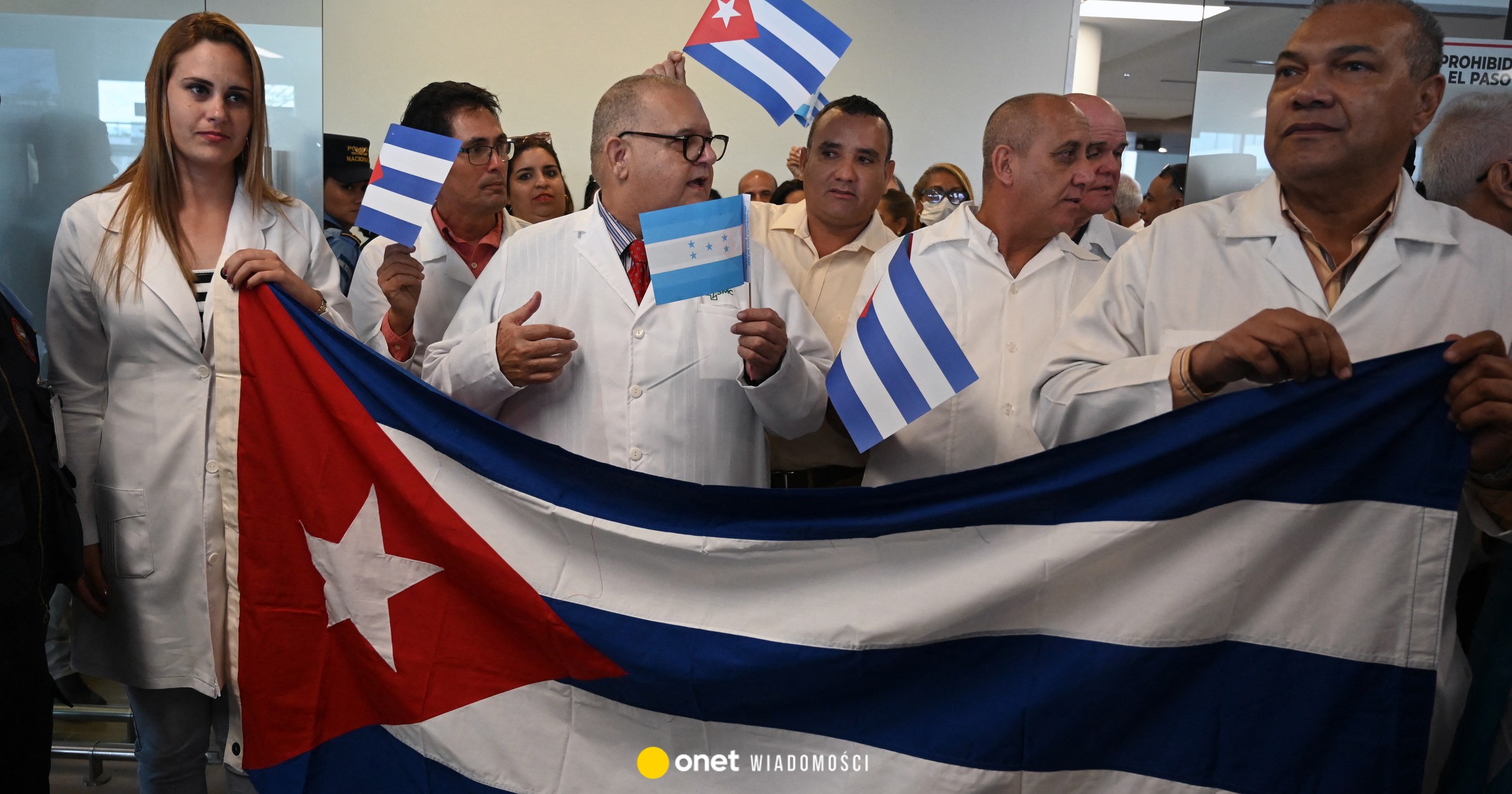
Two countries that have been cooperating with Havana on medical missions for years have suddenly ended their cooperation under American pressure. Honduras abandoned the program earlier this month, days before that country's president, Nasry Asfura, appeared alongside Trump at a summit of Western Hemisphere leaders in Doral, Florida. Also in March, Jamaica ended its decades-long medical partnership with Cuba.
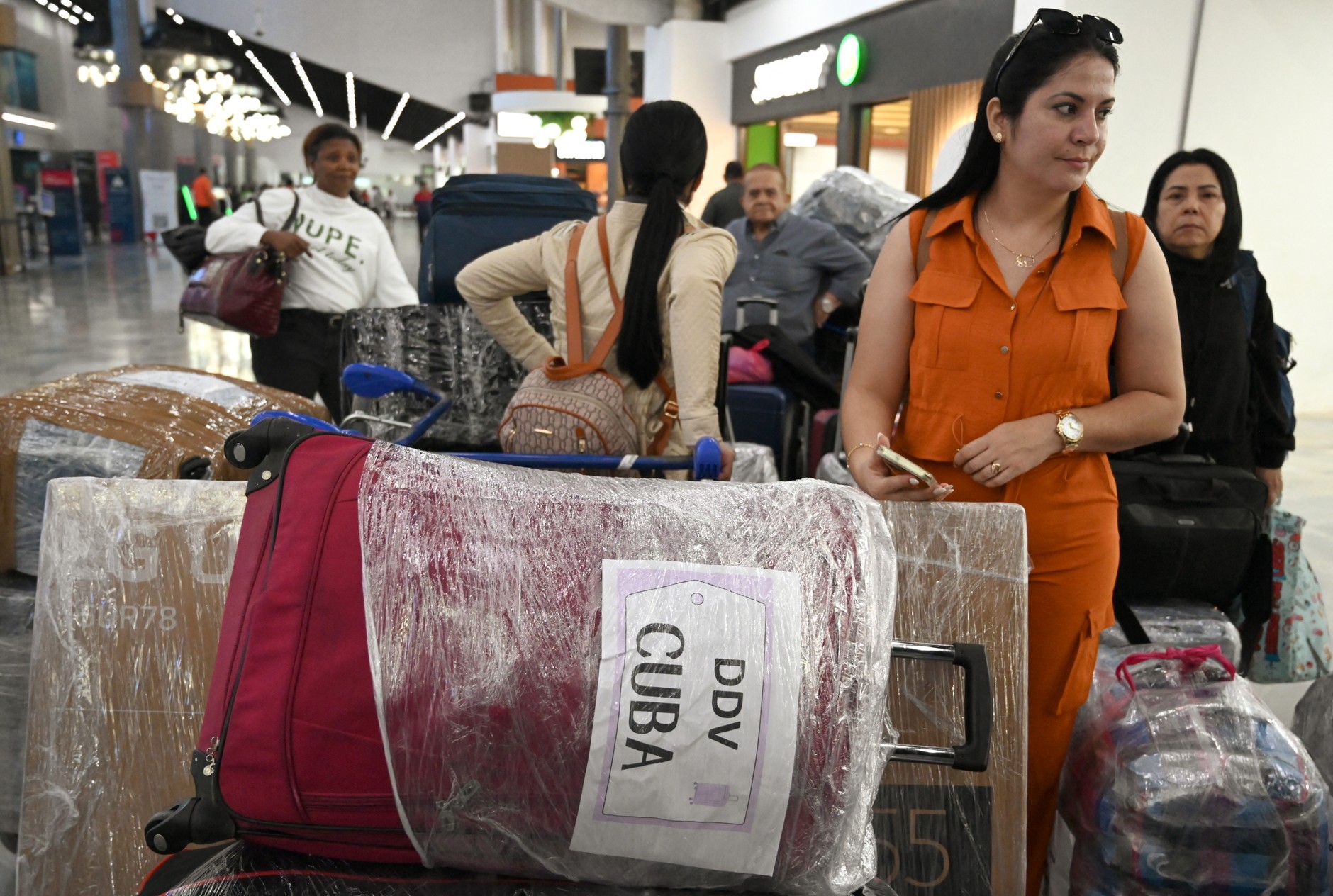
A Cuban doctor at the Ramon Villeda Morales airport in San Pedro Sula, Honduras, March 5, 2026.ORLANDO SIERRA / AFP
Some countries still cooperate with Cuban missions, however modifies the conditions to avoid US accusations of mistreatment of doctors. A senior Caribbean official, who spoke anonymously because of the sensitivity of the matter, cited the example of the Bahamas' effort to negotiate employment contracts directly with Cuban doctors rather than the state.
As this official says, Caribbean countries in particular are in a difficult situation. Many of them are reluctant to give up medical programsthat support their health systems and are essential for their residents, nor does it want to turn its back on a long-time partner, but at the same time it is afraid of angering its American neighbor.
“To be honest, there is a lot of fear,” the official says. — [Presja] she has never been so open. This is unprecedented.
Documents obtained by POLITICO show that Several countries in the region “claim” that they pay Cuban workers directly, bypassing the government in Havana. Mexico is on this list, where, according to these data, over 3.6 thousand people work there. Cuban doctors. Still, U.S. officials seem determined to have these countries cut ties with the program entirely.
Venezuela, employing 14,000 Cuban medical workers, appears to be by far the largest beneficiary of the program in the region. However, in the documents, Venezuela was described as a “quick victory”, which emphasizes that The US will not allow the remnants of the regime in Caracas to use oil funds to pay Havanaand Cuba has already withdrawn many of its doctors from the country.
At the same time, a wave of victories for right-wing or centrist governments in the region—from Trinidad and Tobago to Chile—is causing Trump's message lands on more fertile groundbecause these countries have no sympathy for the communist government in Havana. Torres Rivera emphasizes that Cuba, despite the difficulties, intends to “maintain relations with every country in the world” that wants to trade or cooperate with the island.
John Kavulich, president of the US-Cuba Trade and Economic Council, says the Trump administration's plan appears to be effective. Countries under pressure calculate that implementing Trump's demands will cost them little internally, but “They gain much more in Washington than they lose in Havana“.