In response to the presidential veto, the government adopted a resolution on the implementation of the Armed Poland program, in line with the so-called “plan B”. It assumes the redirection of funds from SAFE to the already existing Armed Forces Support Fund (FWSZ).
Read also: This is the president talking about SAFE. We check whether he is right
The arms industry is waiting for funds from SAFE
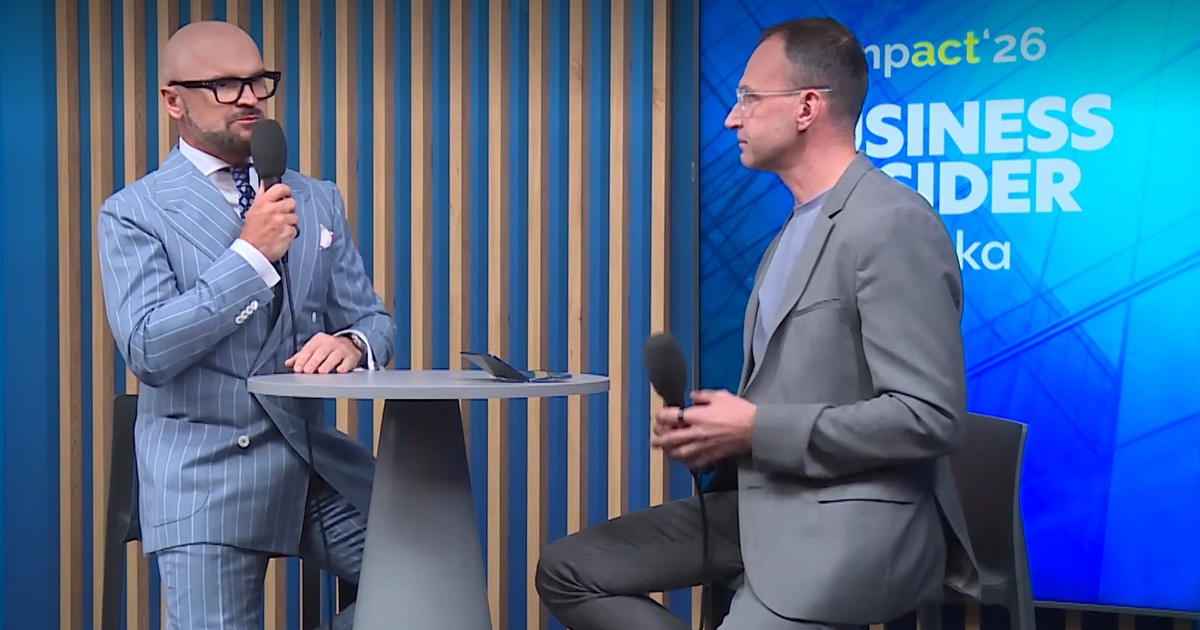
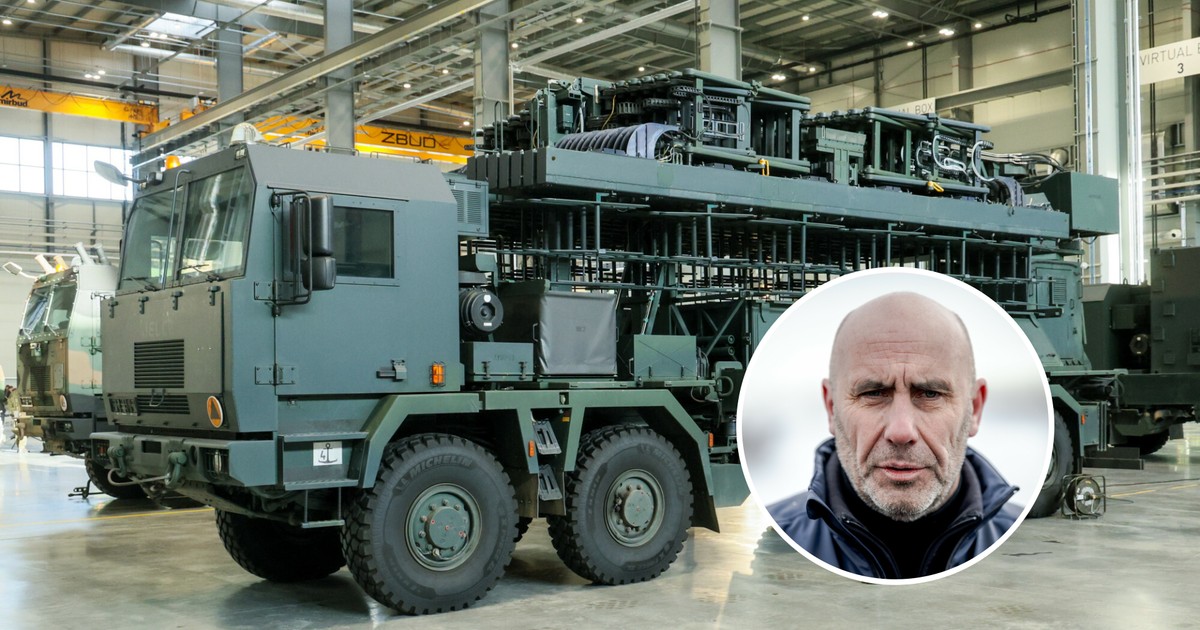
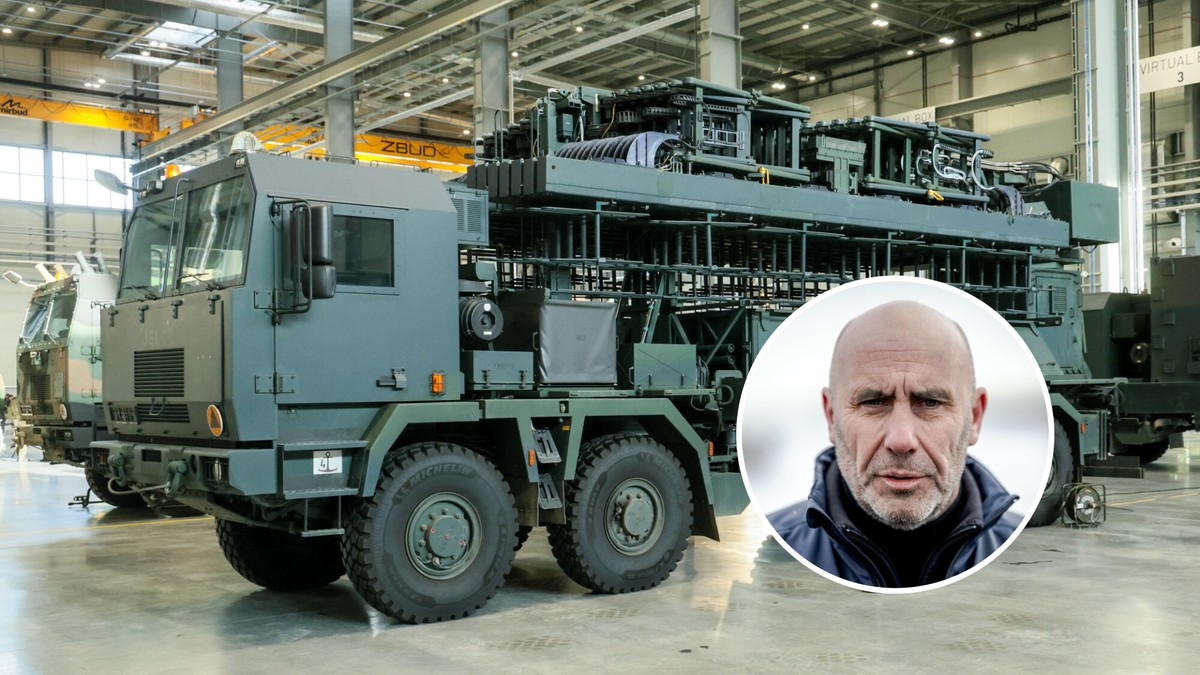
The president of PGZ, Adam Leszkiewicz, emphasizes that the fund is key to maintaining the pace of modernization of the Polish arms industry.
— As PGZ and as the arms industry, we want to build Polish security. SAFE funds are additional capital that will allow us to increase production and sales both on the domestic and foreign markets. It is also a chance to gain new competences – explains Leszkiewicz.
Read also: Karol Nawrocki vetoes the SAFE Act. “Veto on Polish security”
The industry is in limbo
PGZ supervises nearly 100 plants and most of them counted on participation in projects financed by SAFE. Now – as Leszkiewicz admits – the sector “remains waiting.”
— We do not know whether the veto will translate into real losses, but it cannot be denied that the impact on the entire sector will be felt. – assesses.
The president indicates that the government's Armed Poland program will “defend itself”, however the effects of a veto may affect, among others: in uniformed services. PGZ assumed that thanks to the new fund, the Police and Border Guard could buy, for example, weapons from Łucznik in Radom. Without additional funds, these purchases will be more difficult.
Read also: Tusk showed a list of companies waiting for funds from SAFE. “They'll get to you anyway”
Leszkiewicz also pointed out that limiting itself to the FWSZ will make it impossible to implement projects in cooperation with Ukraine.
Race against time
Adam Leszkiewicz did not comment on political arguments regarding the threat to sovereignty, emphasizing that the priority is to quickly transfer funds to the industry and start production.
As he says, the industry only has time until May 30 to sign contracts negotiated with the Armament Agency. After this date, subsequent contracts must include the participation of other countries, which will extend and complicate the process.
— The key activities now lie with the Ministry of National Defense and the Armament Agency. We count on the quick start of negotiations and the signing of key agreements, concluded Leszkiewicz.
Poland applied for EUR 43.7 billion to the SAFE program and became the largest beneficiary of the program. 89 percent these funds were to go to Polish arms companies.