As the media notes, illegitimate Russian President Vladimir Putin began the year with a difficult choice – to stop the war in Ukraine or risk serious consequences for the economy. The publication writes that the US and Israeli strikes on Iran raised oil prices, increasing the Kremlin's revenues and making it easier to finance the war.
The article said that following Israel's bombing of Iran's oil facilities, benchmark oil prices jumped above $100 a barrel, to their highest level since the summer of 2022, when the market surged following Russia's full-scale invasion of Ukraine.
As the publication notes, an attack on Iran may cast doubt on Moscow’s claims of support for its allies, but it is already benefiting the Russian economy and the war against Ukraine, effectively making the Kremlin one of the main beneficiaries of the escalating conflict in the Middle East.
Former Russian Deputy Energy Minister Vladimir Milov noted that Moscow actually received a “lifeline,” and Russian officials are now “very, very happy,” Politico writes.
On March 5, US Treasury Secretary Scott Bessent said that Washington had allowed India to buy Russian oil within 30 days. According to him, this short-term measure will not bring significant financial benefits to the Russian government, since it only allows transactions with oil that is already at sea. And on March 6, Bessent announced the possibility of “lifting sanctions on other Russian oil.”
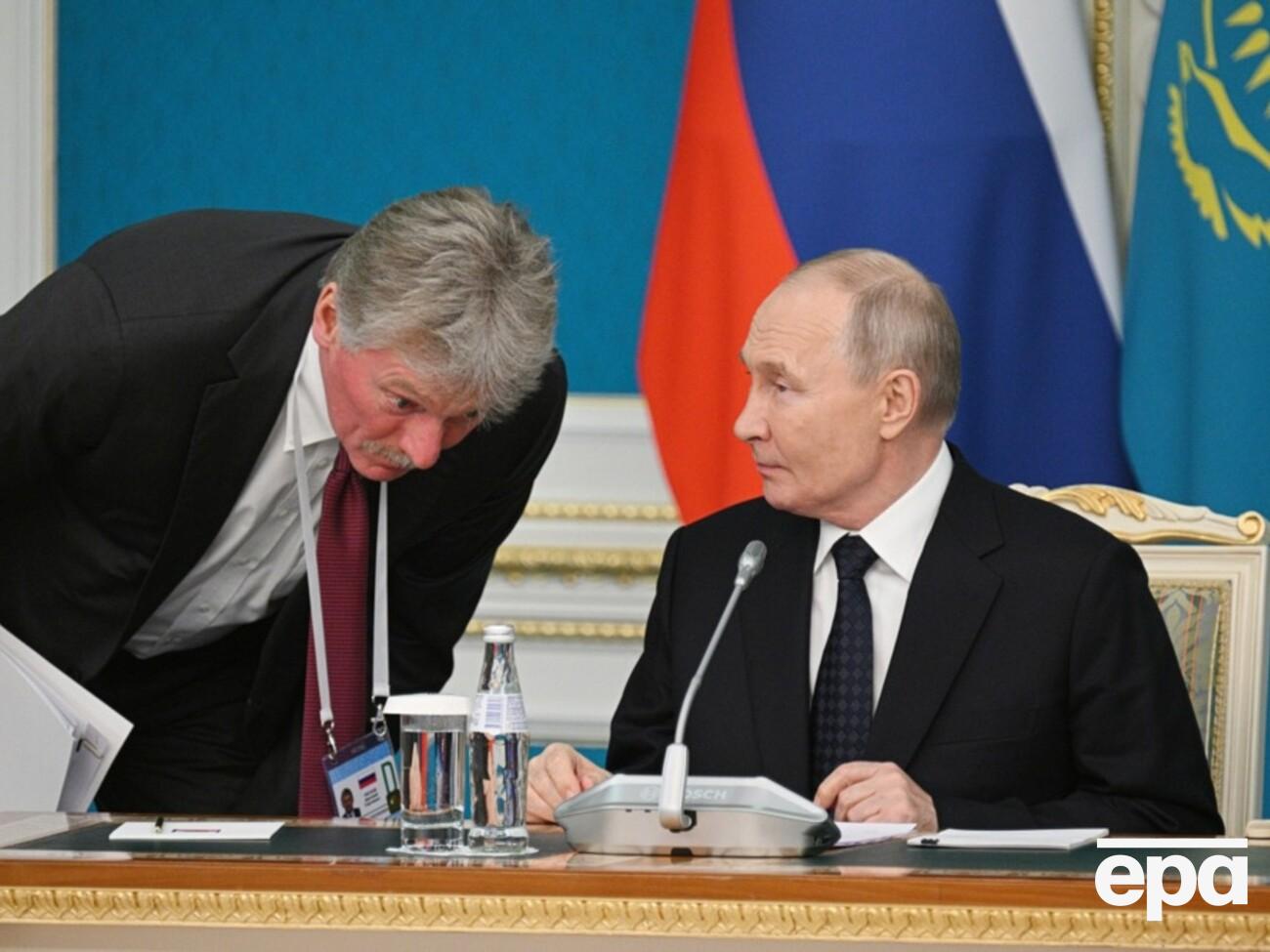
On March 7, CNN quoted Putin's spokesman Dmitry Peskov, who noted that the Russian Federation is “observing a significant increase in demand for Russian energy” due to the war in Iran. At the same time, the Kremlin's special representative Kirill Dmitriev called the situation a “tsunami of oil shock.”
Politico writes that pro-Kremlin commentators quote The Wall Street Journal, predicting an increase in oil prices to $215. At the same time, the publication, citing energy experts, notes that it is too early to declare victory for Moscow, and adds that the economic effect of military actions in Iran depends on how long the conflict continues.
Context
On October 22, 2025, the US Treasury imposed sanctions against the Russian oil companies Rosneft and Lukoil. American President Donald Trump explained these restrictions with the hope that they would encourage Putin to negotiate peace in Ukraine.
Against the backdrop of the Israeli and US military operation against Iran, which began on February 28, 2026, Bloomberg warned that in response to the escalation, Tehran is considering the possibility of closing the Strait of Hormuz, one of the most important routes for global oil trade. Every day, millions of barrels of crude oil and petroleum products pass through it from the Middle East to Asia, Europe and the United States. Most exporters in the region, in particular Saudi Arabia, Iraq, Kuwait, the United Arab Emirates and Iran itself, do not have a viable alternative to this route.
Shipping through the Strait of Hormuz then practically stopped, and already on March 2, at the opening of trading, the price of Brent oil rose by 13%, to more than $82 per barrel. Tehran said the strait remained open but claimed responsibility for the attacks on the three tankers.