The conflict with Iran is costing more and more. Donald Trump was counting on something else

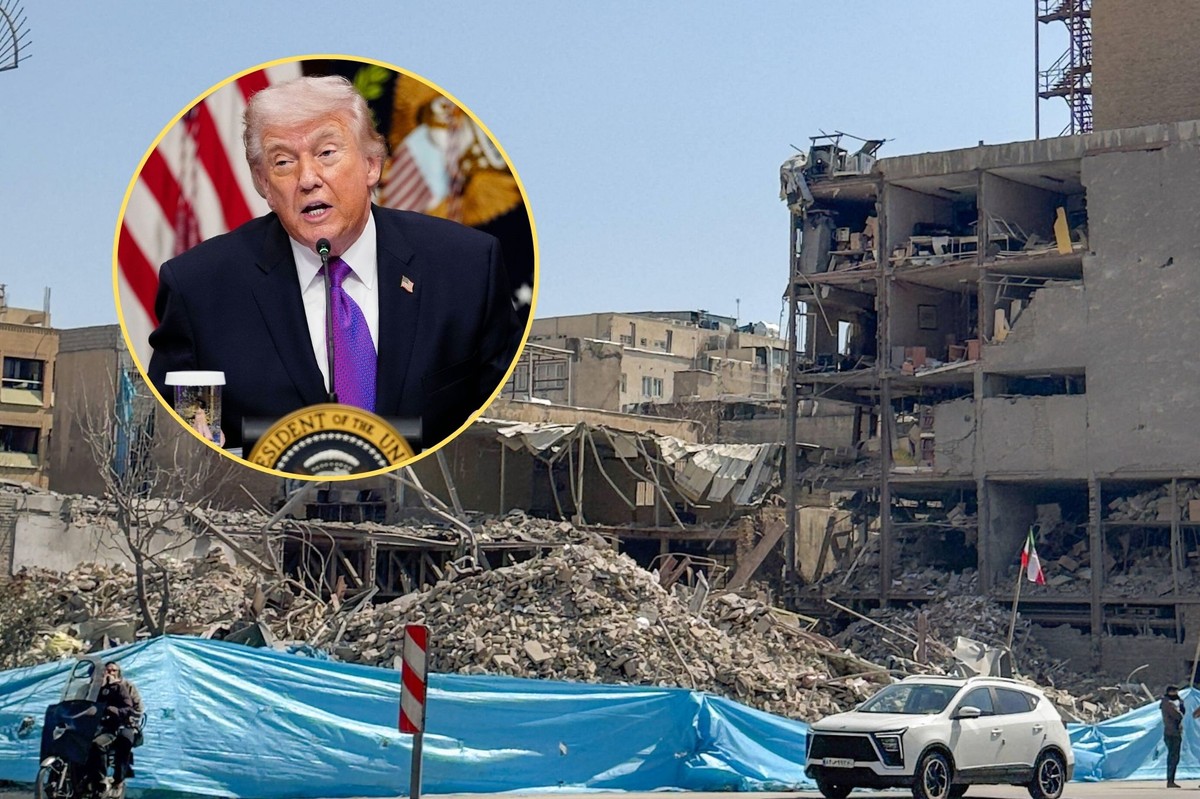
Within days of the start of operations, six American soldiers were killed and U.S. allies in the Persian Gulf became the target of attacks. Stock exchanges react nervously and fuel prices go up. According to estimates, the US military currently spends hundreds of millions of dollars a day on operations, says the New York Times.
Although American soldiers have not yet been sent to Iranian territory in a land mission, the White House does not rule out such a scenario. Defense Secretary Pete Hegseth stressed Wednesday that the conflict could last a long time. He noted that the United States was increasing its military involvement, and more bombers and fighters were to reach the region on the same day.
Rapid successes and increasing risks
The decision to launch a new series of missile attacks on Iran was made after President Trump considered previous military operations successful. During his presidency, the American armed forces carried out a series of rapid actions: capturing Venezuelan President Nicolas Maduro, attacking Iranian nuclear installations, striking Houthi fighters in Yemen, destroying suspected drug boats in the Caribbean, and bombing targets in Iraq, Nigeria and Somalia as part of the fight against terrorism. The administration assessed these actions as effective and low-cost, says the American daily.
However, the current war with Iran carries the risk of escalation and going beyond the pattern of quick operations, especially if the United States decides to become more deeply involved in regime change in Tehran. Jason Crow, a Colorado congressman and former soldier who served in Iraq and Afghanistan, warned that The US may repeat the scenario of endless conflicts that Trump promised to end. Crow pointed out that despite previous declarations about ending the wars, America found itself in a similar situation again.
Trump appeals to Iranians. The situation is uncertain
President Trump appealed to Iranians to take control of their own country, but did not support any specific opposition group. From the beginning of the conflict, he held talks with Kurdish leaders, but – as White House spokeswoman Karoline Leavitt said – he did not agree to arm them in order to overthrow the Iranian government – reminds the New York Times.
In turn, Jon Hoffman, an analyst from the Cato Institute, quoted by the daily, noted that Donald Trump prefers actions that bring quick and effective results at low costs. According to Hoffman, after the success of the operation against Maduro, the president felt invincible, but the current situation in Iran is much more complicated. Hoffman emphasized that the costs of the conflict are already rising, both in human and economic terms. He drew attention to the increase in oil and gas prices, especially in Europe, where – he said – gas prices have increased by about 40%. and they can continue to grow.
Experts point out the benefits and threats
Elliott Abrams, a former adviser to three Republican presidents, including Donald Trump, assessed that killing Iranian leaders and destroying the country's military potential brings tangible benefits. Abrams emphasized that the current costs are primarily the lives of American soldiers, but in his opinion the profits are huge because the regime in Tehran has been threatening the US for over forty years. Abrams believes that if Trump decides not to send ground troops, the number of US casualties may remain low, and a weakened Iran will not be able to rebuild its nuclear program or conduct military operations in the region.
In turn, Jon Hoffman expressed doubts about such a scenario. In his opinion, the destabilization of Iran may bring serious threats to the United States and its allies, notes the New York Times. Hoffman warned that arming separatist ethnic groups and attempting to divide Iran could lead to a proxy war on an unprecedented scale in the Middle East, and impose huge costs on the entire region. He pointed out that such a development could result in mass migrations of refugees and create conditions for the rebirth of terrorist organizations such as ISIS, which use the chaos to gain influence.