US President Donald Trump does not seem to have learned the lessons of previous regime change interventions in Iraq and Afghanistan, the Financial Times claims.

US President Donald Trump/PHOTO: EPA/EFE
The US invasions of 2001 and 2003 highlighted the major risks of wars designed to topple governments. However, those operations involved the deployment of troops on the ground – initially to topple regimes, then to stabilize the situation and manage political transition.
In the case of Iran, the current strategy is different. According to analyst Gideon Rachman, a commentator on international affairs at the Financial Times, Washington is counting on an unprecedented scenario: regime change exclusively by air force, without ground troops.
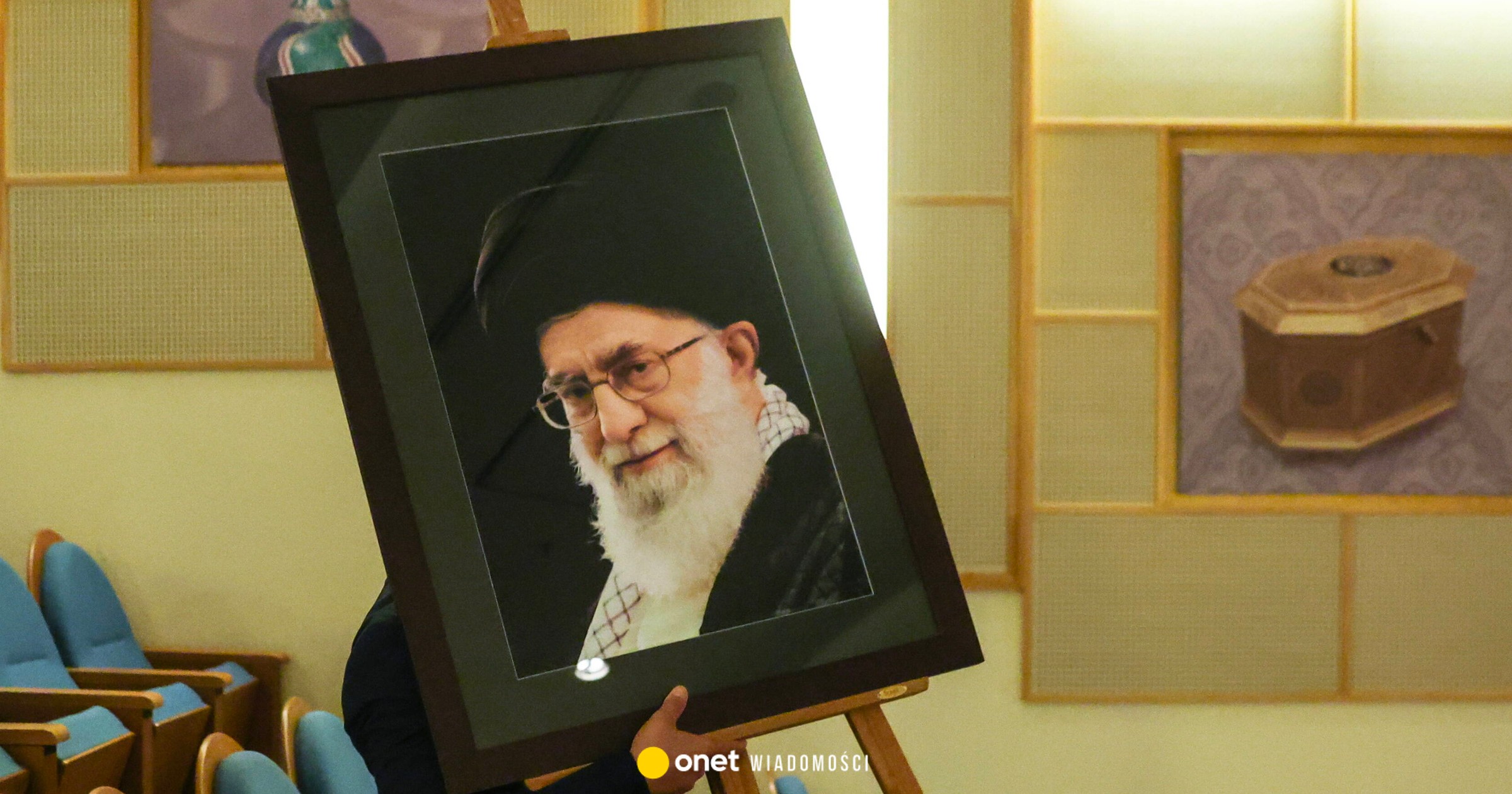
The removal of Ayatollah Ali Khamenei and several Iranian military and political leaders was a major blow to the leadership in Tehran. But it remains unclear what comes next.
Trump urged Iran's Revolutionary Guards to “lay down their arms” and the people to “take control of the government.” Observers note, however, that these calls are not accompanied by concrete details on how such a transition could take place.
Even if the security structures were to stop fighting, there is no clear alternative authority to take over. At the same time, protesters who have challenged the regime in recent years may face difficulties quickly organizing a new leadership.
Different strategic calculation in Jerusalem and in the Gulf
Israeli Prime Minister Benjamin Netanyahu has repeatedly called on the Iranians to oust their government. Israel views the Islamic Republic as its main regional adversary, particularly because of its support for the groups Hamas and Hezbollah.
For the government in Jerusalem, the current context could represent a strategic opportunity. However, the long-term consequences of a possible destabilization of Iran would be felt throughout the region.
The Gulf states — including the United Arab Emirates, Qatar, Bahrain and Saudi Arabia — have emerged in recent years as stable and prosperous hubs for investment and international capital. However, recent attacks or missile threats have put this image under pressure.
If hostilities end quickly, these states could return to stability. In the event of a prolonged conflict, their status as “safe havens” could be affected.
Political risks for Washington
The risks are also significant for the US administration. Trump has so far avoided engaging in a long-term land conflict. But an escalation or possible chaos in Iran could generate pressure for further involvement.
In the event of new American casualties, pressure to intensify operations could increase. The president has already warned Tehran that he will use “unprecedented force” if the attacks continue.
The domestic political context is also different from the early 2000s. After the attacks of September 11, 2001, the interventions in Afghanistan and Iraq enjoyed considerable public and bipartisan support. Currently, both Democrats and some Republicans affiliated with the MAGA movement have criticized the decision to strike Iran.
A recent YouGov poll indicates that only 27% of Americans support the use of military force against Iran.
According to Rachman, American public opinion seems to have learned from past experiences in Iraq and Afghanistan, even if current policy decisions suggest a different approach in Washington.