PHOTO “Atmospheric machine gun” over the Mediterranean: How recent storms turned into devastating tragedies


Violent storms in the Mediterranean have recently caused massive destruction and loss of life in Spain, Portugal and Morocco. The extreme phenomena generated by atmospheric changes have surprised communities and exceeded the reaction capacity of the authorities, according to The Guardian.
The testimonies of the residents reflect the extent of the disaster. They describe such a “devastating force” that took everyone “completely by surprise”.
Andres Sanchez Barea, from Spain, felt the fear when water started gushing out of the electrical outlets. In Portugal, Nelson Duarte experienced the feeling of helplessness as the wind knocked down all the vegetation and ripped the tiles from the roofs. And for Amal Essuide, from Morocco, reality took shape when a body was brought aboard a boat in the flooded medina, writes The Guardian.
Each such moment is part of the destruction caused by an “atmospheric machine gun” that has sent repeated storms over the western Mediterranean. Although scientists have not determined whether climate change triggered this phenomenon, research suggests that it has significantly increased the intensity and destructive power of storms.
“Everything seemed to fall apart”
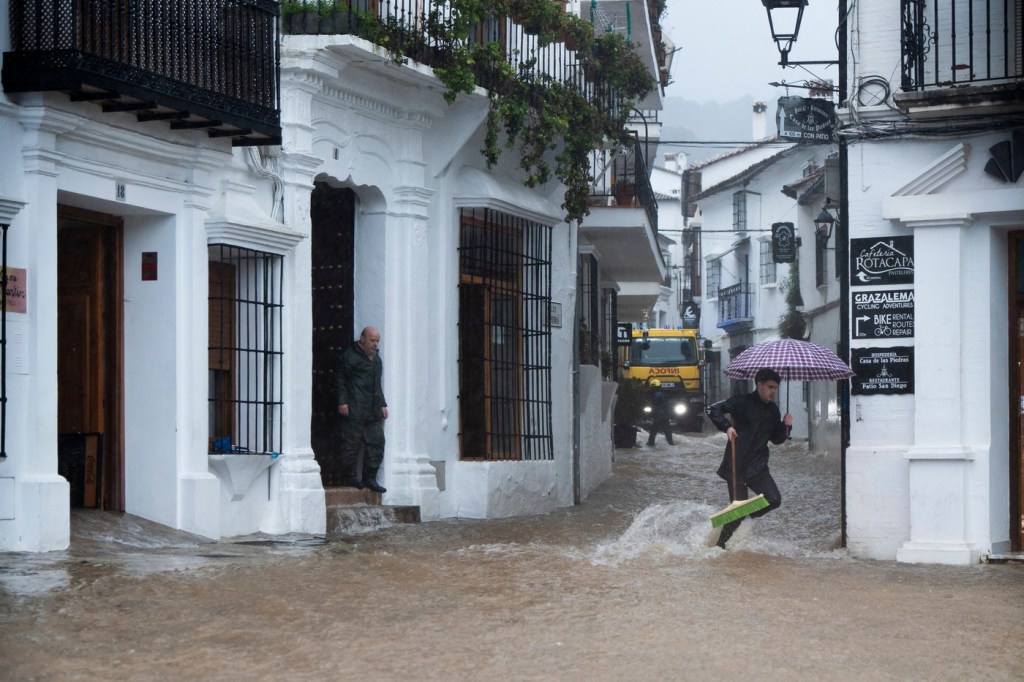
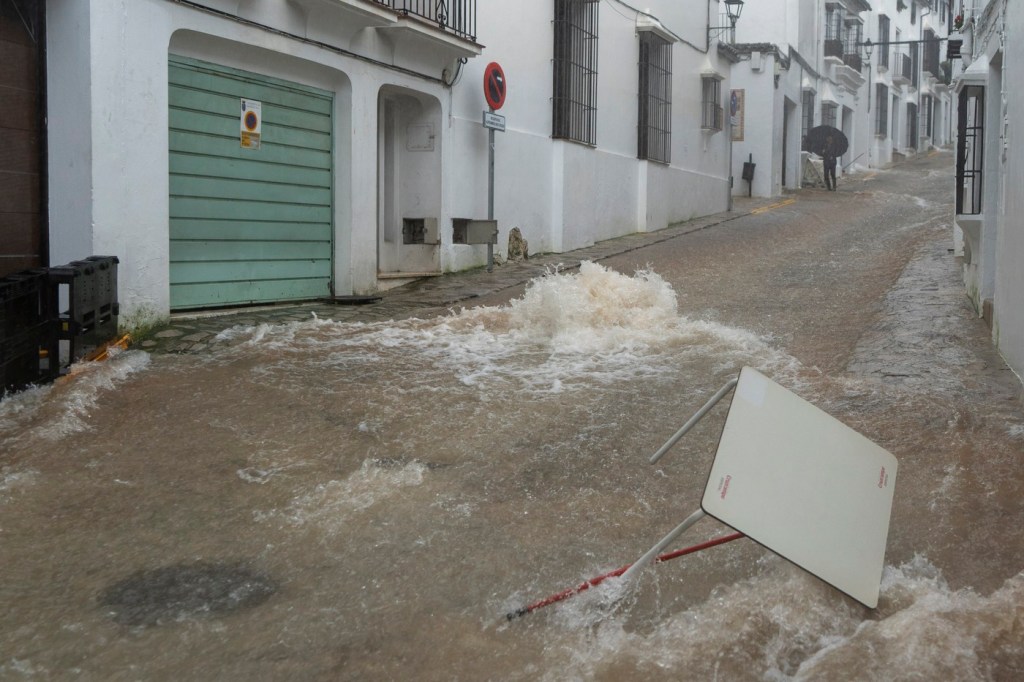
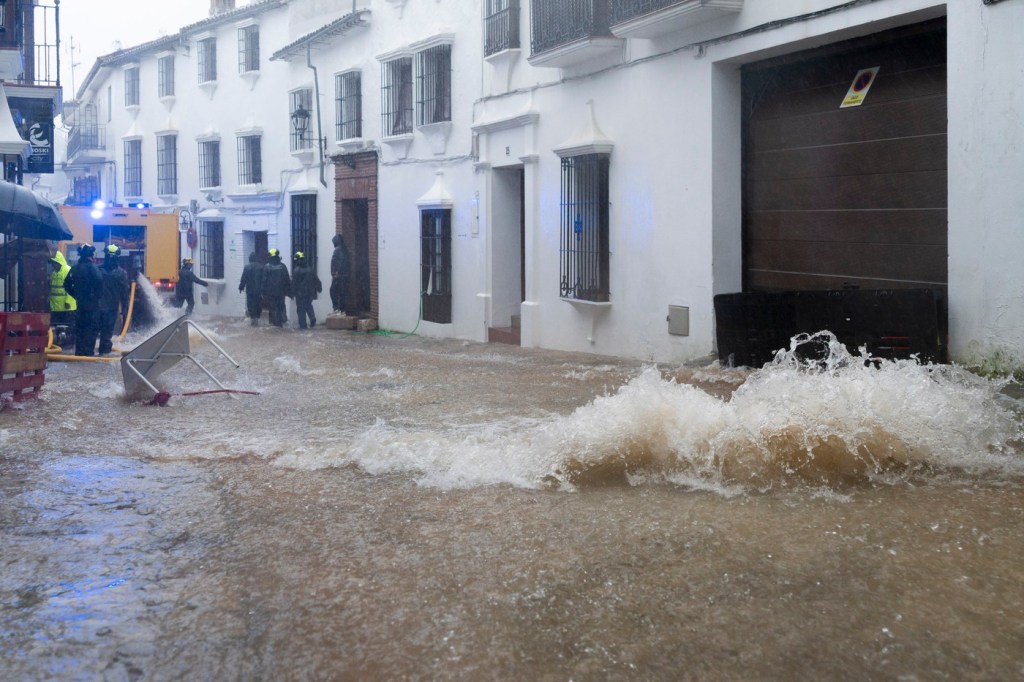
In Grazalema, the wettest city in Spain, the amount of precipitation specific to an entire year fell in a week and a half. This overloaded the water tank in the rocky basement and water seeped into the houses through floors, walls and even electrical outlets. Authorities ordered the evacuation of all residents.
“I felt a lot of fear,” said Sanchez Barea, a guesthouse owner whose home is among the hundreds of homes in the exclusion zone. “At first we tried to get rid of the water. Many people came to help us, but we realized it was impossible,” he added.
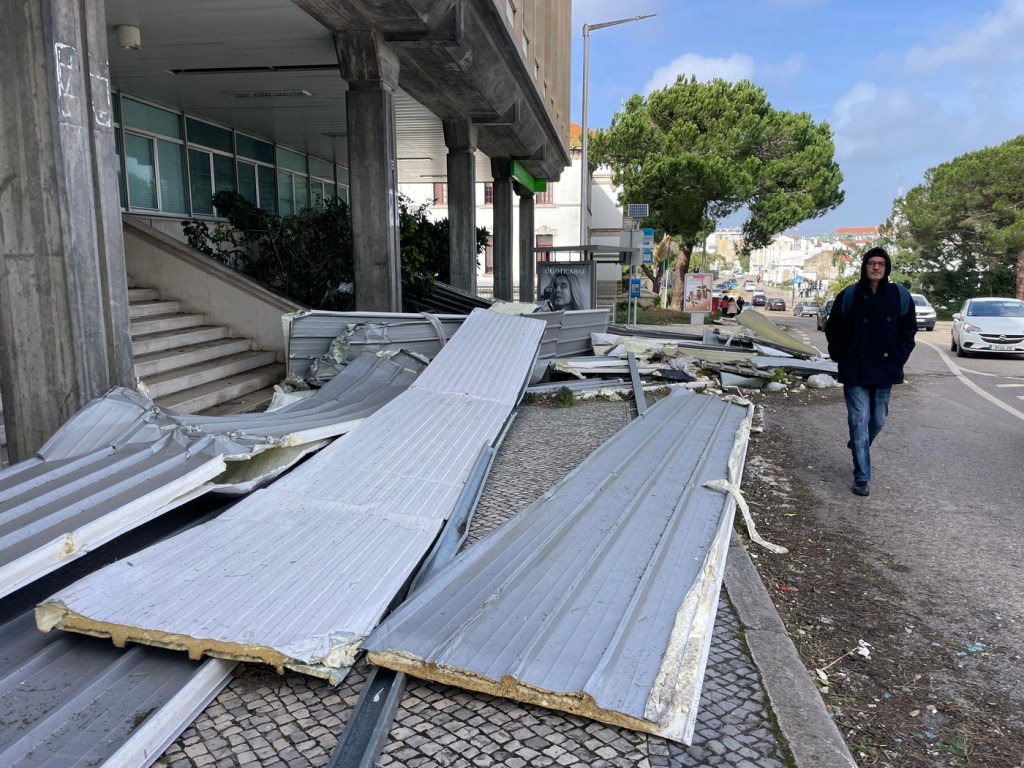
In Leiria, one of the regions in Portugal where rainfall broke records in January, strong winds compounded the damage. Monte Real Air Base recorded a wind speed of 176 km/h before the measuring station was taken out of service.
“Around that hour, everything seemed to fall apart,” said Duarte, a Monte Real beekeeper who lost half his hives. The wind that was whipping the house trapped him and his family inside, where they could do nothing but avoid balconies and windows as they waited for the storm to pass.
“The wind became deafening and incessant, mixed with the sound of collapsing structures, flying tiles, snapping trees and violently clashing metal sheets,” Duarte said. “The atmosphere was terrifying and it felt like the house might not last,” he continued.
Duarte's house stood, but others fell. Ricardo Teodosio, an industrial painter from the town of Carvide, was repairing the roof of a garage with his father when the structure collapsed on top of them. Injured, his father walked almost three kilometers to a fire station to ask for help for his son trapped under the rubble. When rescue teams arrived, he was already dead.
Joao Lavos, commander of the Vieira de Leiria volunteer fire brigade, said Teodosio was one of two people who died that day in the region. In just 24 hours, response teams were mobilized for 50 incidents, 15 of which involved accident victims.
The causes of extreme phenomena
Western Europe has been hit by 16 rapid storms this season. This phenomenon is caused by a change in atmospheric currents which, according to specialists, will become more frequent as the planet warms.
A preliminary analysis by Climate Central, an independent climate research organization, indicated that a marine heat wave had intensified the storms since early February. A study by the World Weather Attribution (WWA), an international network of scientists, concluded that carbon pollution made rains heavier and floods worse.
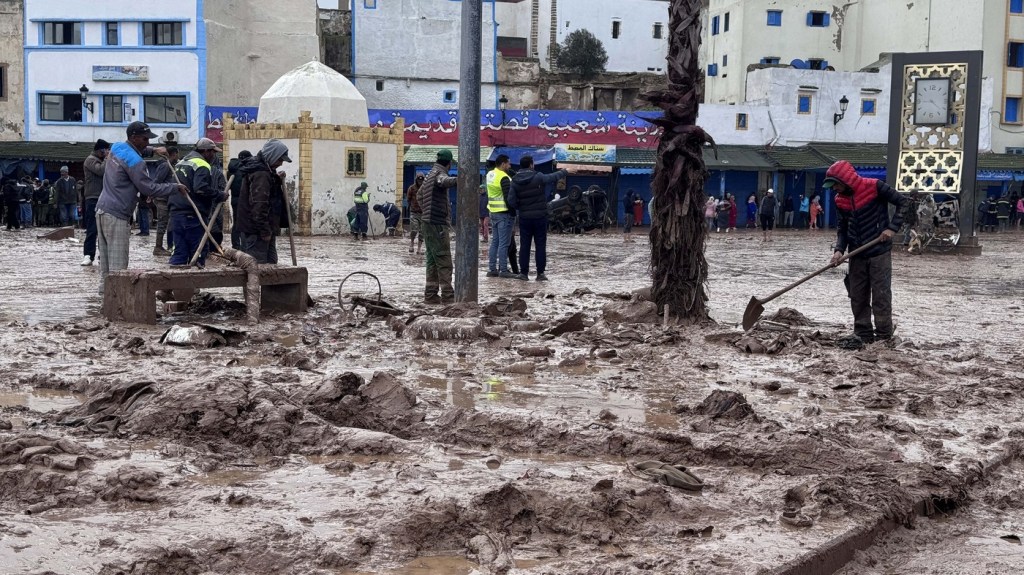
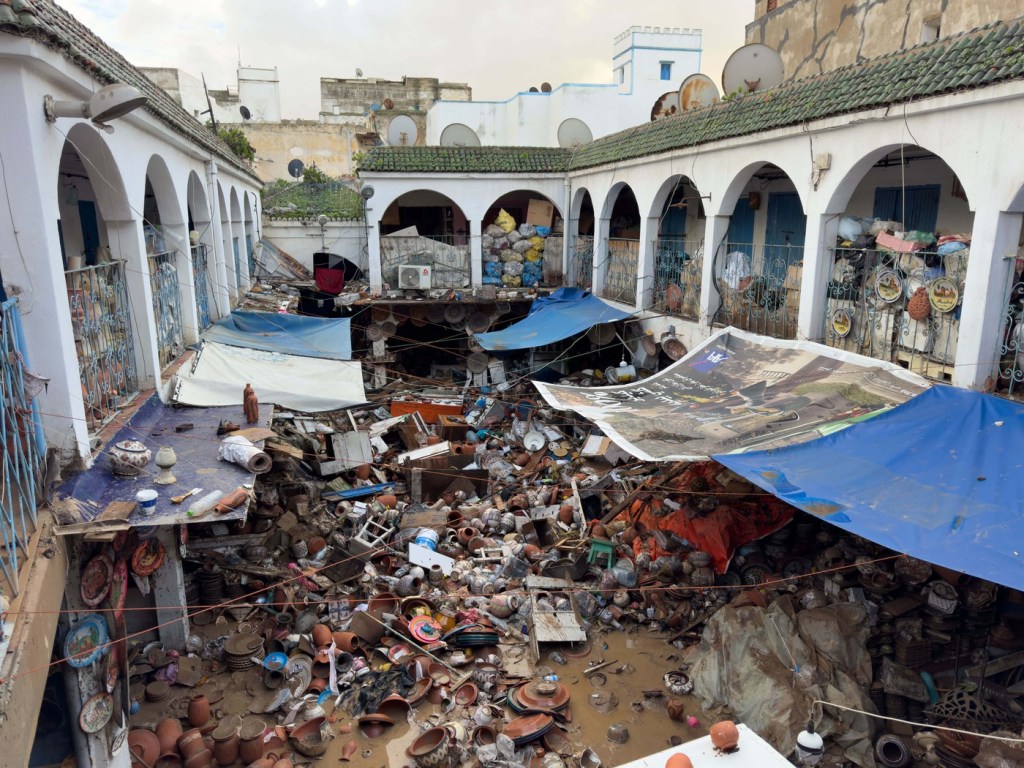
In Safi, Morocco's ceramics capital, waves of mud destroyed pottery workshops when rain flooded the bazaar late last year. Most of the 43 people who have died in storms across the country since mid-December lost their lives in the narrow streets of the medina, where water quickly covered the area.
“At first, we didn't think there would be much damage,” said Essuide, who watched the chaos from the roof of the hotel she manages and was later rescued by an emergency team. “But after we got into the small boat and they found a dead person, we realized it was a very serious situation. It was scary.”
The data shows that extreme rainfall days in Spain, Portugal and Morocco release a third more water than in the 1950s, according to the WWA study. Although climate models paint a complex picture, researchers have attributed an 11 percent increase in precipitation in the northern region to global warming.
Clair Barnes, a scientist at Imperial College London, said the evidence suggests climate change has increased the amount of water available in the weather system to fall as rain. Last week, EU science advisers said Europe was failing to adapt to extreme weather conditions.
“Is there anything worse to come?”
In Portugal, Duarte felt that emergency warnings did not sufficiently alarm the public. “No one was prepared for such a devastating force,” he added, noting that the death toll could have been much higher if the storm had struck during the day.
In Spain, the residents of Grazalema praised the authorities for the quick evacuation. The local administration collaborated with the neighboring city of Ronda, which offered shelter to the evacuees. Mario Sanchez Coronel, the owner of a flooded textile shop, said the authorities “did the right thing”, acting effectively under pressure.
Sanchez Coronel hopes to never see such rain again. “It was hard, because you think about what could happen next,” he confessed. “After it was bad, is there anything worse to come?” he asked himself.