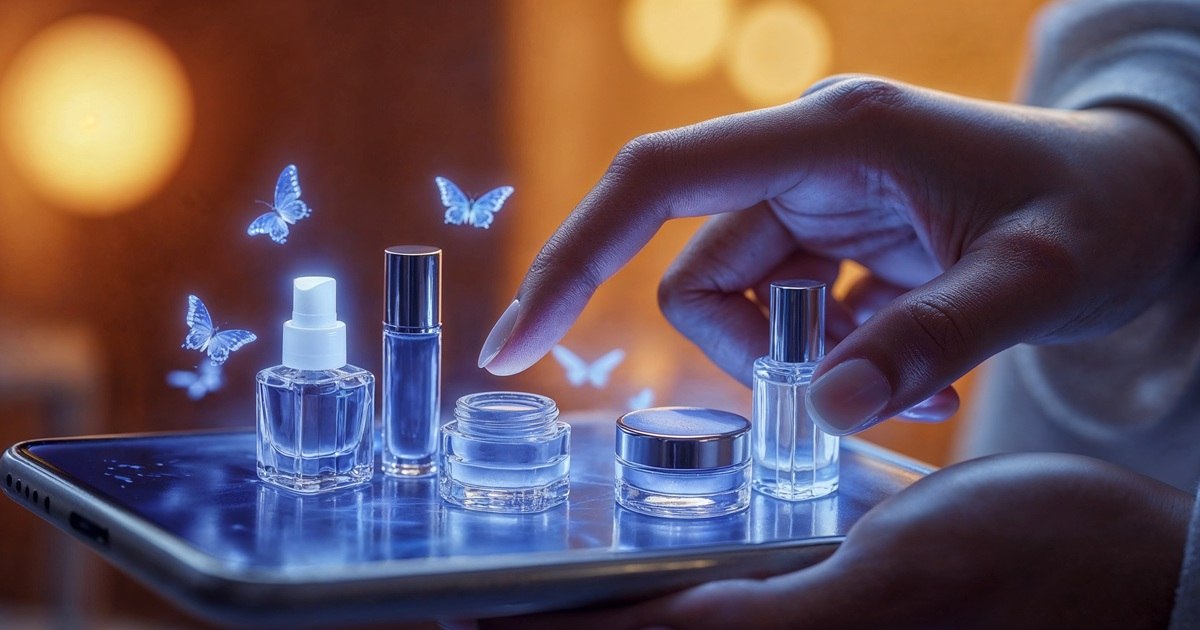
Smell is the only sense that reaches directly to the center of emotions and memory. No filters, no conscious processing. This is precisely why a perfume can change the mood of a room, bring back a decades-old memory or influence the way others perceive you.
This neurological connection explains why investing in quality flavor goes beyond the aesthetic. Luxury perfumes are not limited to persistence or packaging, but offer a complex olfactory architecture with ingredients that unfold gradually and create a different experience every hour of the day.
How a perfume influences others' perception of you
Social psychology studies confirm what we already intuit. A person wearing a pleasant fragrance is perceived as more confident, competent and attractive. This assessment occurs within seconds, before the conscious mind intervenes.
The effect does not come from the intensity of the smell, but from its consistency and quality. A well-formulated perfume creates an understated aura that feels natural and pleasant. Cheap perfumes tend to be aggressive in the first few minutes and fade quickly, generating the opposite effect to the desired one.
The first olfactory impression and its social impact
When you walk into a room, your scent reaches others before you open your mouth. This first olfactory impression is anchored in their memory and becomes part of how they associate you. A carefully chosen premium fragrance works like an invisible business card.
Essence concentration and what it means in real terms
The percentage of perfume oil in the composition determines both persistence and complexity. An eau de toilette contains between 5 and 15 percent perfume essence. A premium Eau de Parfum exceeds 20 percent, which means the notes have time to fully unfold on the skin.
The difference is felt in the evolution of the perfume. A highly concentrated product goes through three distinct phases: the fresh top notes, the complex heart and the deep base that lingers for hours. This olfactory pathway is what separates a good purchase from a mediocre one.
Rare ingredients that define premium perfumery
The Damask rose requires about four tons of petals for a single kilogram of essential oil. Grasse iris goes through a three-year ripening process before it is ready for use. These raw materials are the reason why certain perfumes have a high price and an identity that is impossible to reproduce.
High-quality synthetic alternatives have evolved considerably and should not be overlooked. Modern perfumery combines natural ingredients with molecules created in the laboratory to achieve compositions impossible in nature. Ambroxan, for example, reproduces the aroma of ambergris without involving animal resources.
Olfactory families and how to tell them apart
Perfumes fall into olfactory families that help you navigate the offer more easily. Oriental aromas combine vanilla, cinnamon and resins in a warm and sensual profile. The woods rely on sandalwood, cedar and vetiver. Fresh families include citrus and aquatic notes, ideal for hot days.
The olfactory wardrobe and the idea of adapting perfume to context
Just as you choose your clothes according to the occasion, your perfume deserves the same attention. A business meeting calls for a discreet and professional scent, while a night out allows for bolder compositions with gourmand or oriental notes.
The season also influences the choice. Heat amplifies fragrance projection, so summer works best with light, citrus or aquatic scents. In winter, cooler skin requires denser compositions with woody or amber bases that diffuse slowly and last longer.
How many perfumes do you need in your collection?
There is no magic number. Three or four well-chosen fragrances cover most situations: one fresh for the day, one intense for the evening, one professional and one comfortable for the weekend. The quality of each choice matters incomparably more than the number of bottles.
Proper testing and patience as part of the selection process
The paper tape only gives a first impression. Perfume behaves differently on the skin, where body temperature and personal pH influence the evolution of the notes. Apply to your wrist and wait at least an hour before making a decision.
Limit the number of fragrances tested in a single session to a maximum of three. The nose gets tired quickly, and after the fourth or fifth aroma you can no longer make correct distinctions. The smell of coffee between tests helps to reset the olfactory receptors.
Why a premium perfume deserves its place in the daily routine
The cost per use of a luxury perfume is often less than it seems. A 100ml bottle of high concentration lasts for months as two or three sprays are enough. Compared to a cheap product that requires reapplying every two hours, the savings become obvious.
Beyond the financial aspect, the effect on well-being is what justifies the choice. A fragrance that goes on beautifully on the skin and draws compliments builds confidence. This form of self-care works on a subconscious level, influencing the perception of others and your own mood throughout the day.
Photo source: freepik.com