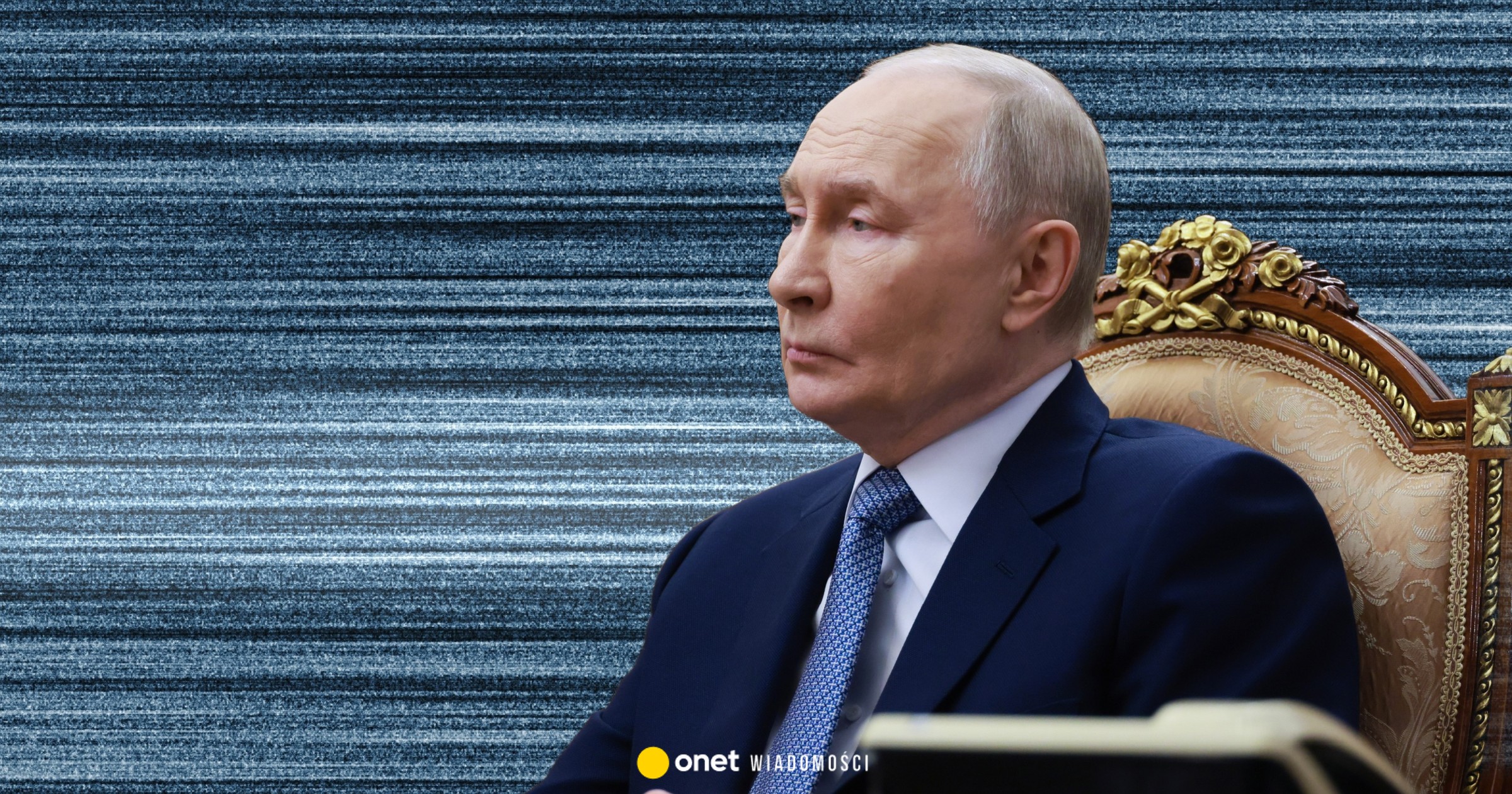
President Vladimir Putin will receive the exclusive right to determine the cases in which the FSB will be able to make demands from operators blocking any type of communication in Russia. This results from the amendments made during the second reading of the draft Communications Act.
The first version of the project assumed that the grounds for disconnection would be determined not only by the president, but also by the government, and these activities were to be related to “protecting citizens and the state against emerging security threats”.
The second reading amendments grant the FSB the ability to target operators now not “requests”, but binding “demands” — in cases specified by legal acts of the president. References to government involvement and security threats were therefore removed from the text.
Putin will get a “free hand” from the Duma
The new version of the bill simplifies the process of making decisions about turning off the Internet, which is pointed out by experts interviewed by Agency journalists. A lawyer from the OWD-Info organization, Valeria Vetoshkina, emphasizes that the scope of possible blockades is expanded, and the mechanism itself becomes more centralized“making it so that in practice there is no alternative to the operators' execution of commands.”
As emphasized by Yevgeny Smirnov, a lawyer from the Pervy Otdel organization (Polish: First Division), the law actually “gives a free hand” to Putin on internet blocking, simplifying this process also for the FSB itself. Sarkis Darbinian, a lawyer specializing in digital issues, has a similar opinion. The new version of the project stipulates that “restrictions will be imposed only by the president,” and his acts “are even simpler than government regulations,” he explains.
The services will be able to block any type of communication
The government submitted a bill on expanding the FSB's powers to disconnect communications in Russia to the State Duma in November. A source from the international press agency Interfax operating in Russia informed that the purpose of the legal act is to be releasing operators from liability for internet outages caused by drone attacks.
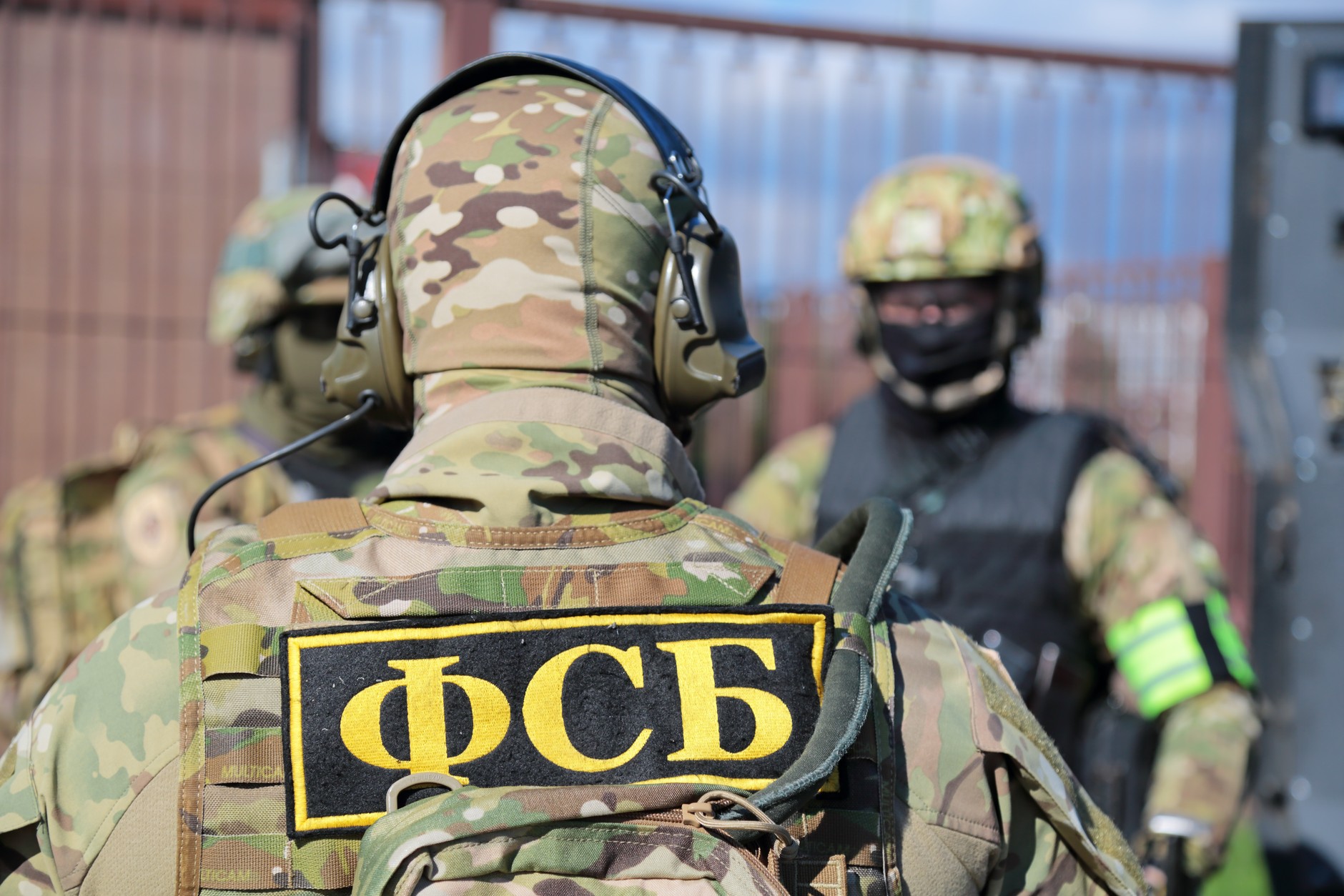
FSB officers. Illustrative photoID1974 / Shutterstock
At the same time, the bill provides: possibility of limiting all communication servicesas pointed out by Farida Rustamowa from the online newsletter Faridaily. According to the current regulations, this includes receiving and sending messages (voice, text, images and others) via mail, radio, wired networks, optical and other electromagnetic systems, as lawyers explained to the journalist.
At the end of January, State Duma deputies unanimously adopted the bill in the first reading. During a discussion in parliament, Ivan Lebedev, deputy minister of digitalization, stated that specific communication services were deliberately not mentioned in the document, so that “enemies” cannot learn the locking mechanism.
37,166 hours without internet. An inglorious record
At the end of 2025, Russia became world leader in terms of the number of cases of mobile Internet shutdowns. According to calculations by Top10VPN, the blockades lasted a total of 37,166 hours and affected virtually the entire population of the country – 146 million people. According to data from the Na Swiazi website, restrictions are introduced on average every day in 63 regions of the Russian Federation.
Since January, users across Russia have been reporting problems with the operation of the popular Telegram social media platform. At the beginning of February, in a statement to the RBK website, Roskomnadzor accused Telegram of failing to take effective measures against fraud and the alleged use of the application by criminal and terrorist groups, as well as of insufficient protection of user data.
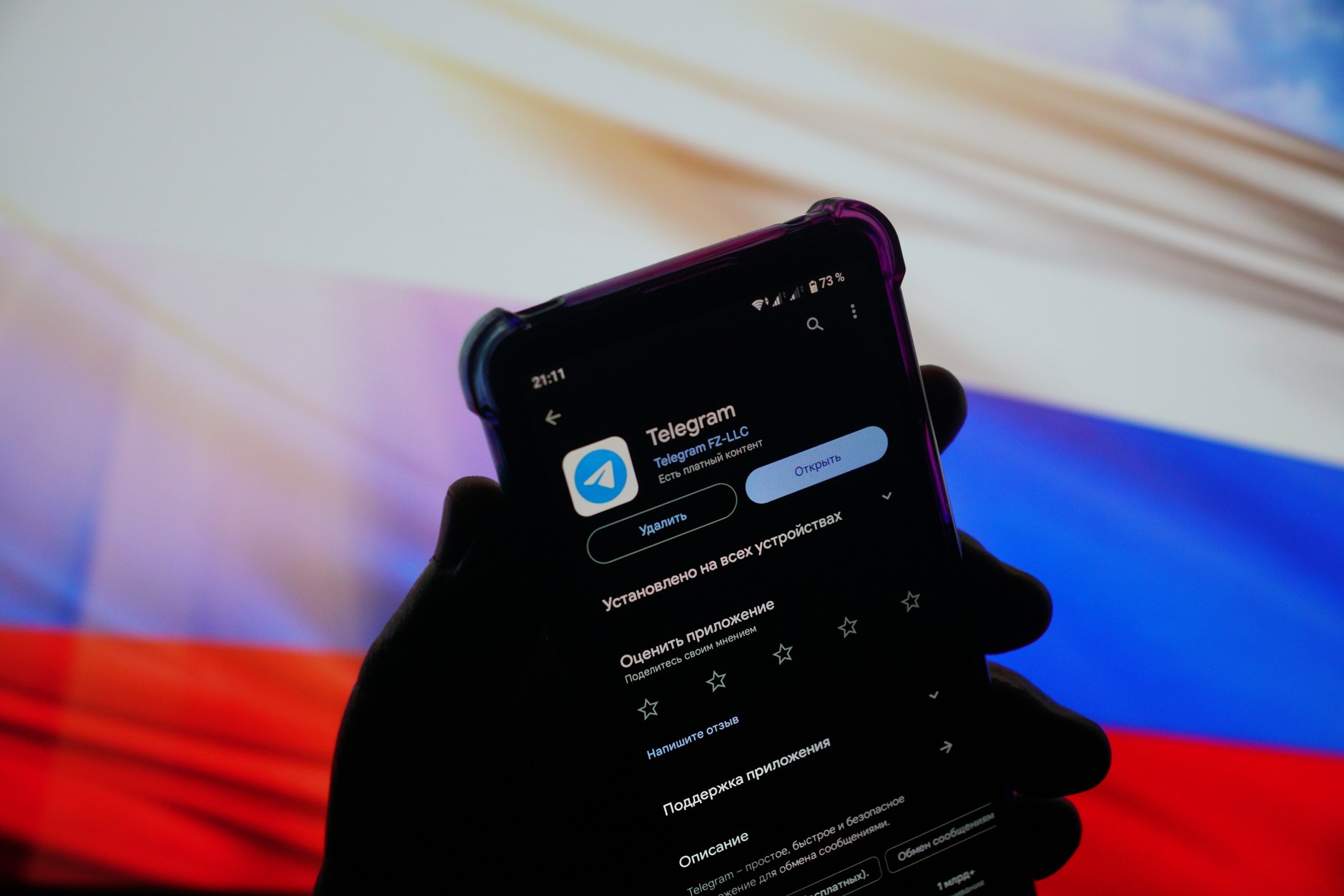
Telegram app slows down in Russia. Illustrative photoArtyom Sobolev / Shutterstock
Last August, Roskomnadzor began slowing down voice and video calls on WhatsApp and Telegram as part of what it called an initiative against fraudsters. Roskomnadzor's restrictions on WhatsApp and Telegram appeared when authorities are pressuring Russians to download and use government messenger Max.