The future of AI in the hands of Apple and Google. OpenAI the biggest loser?

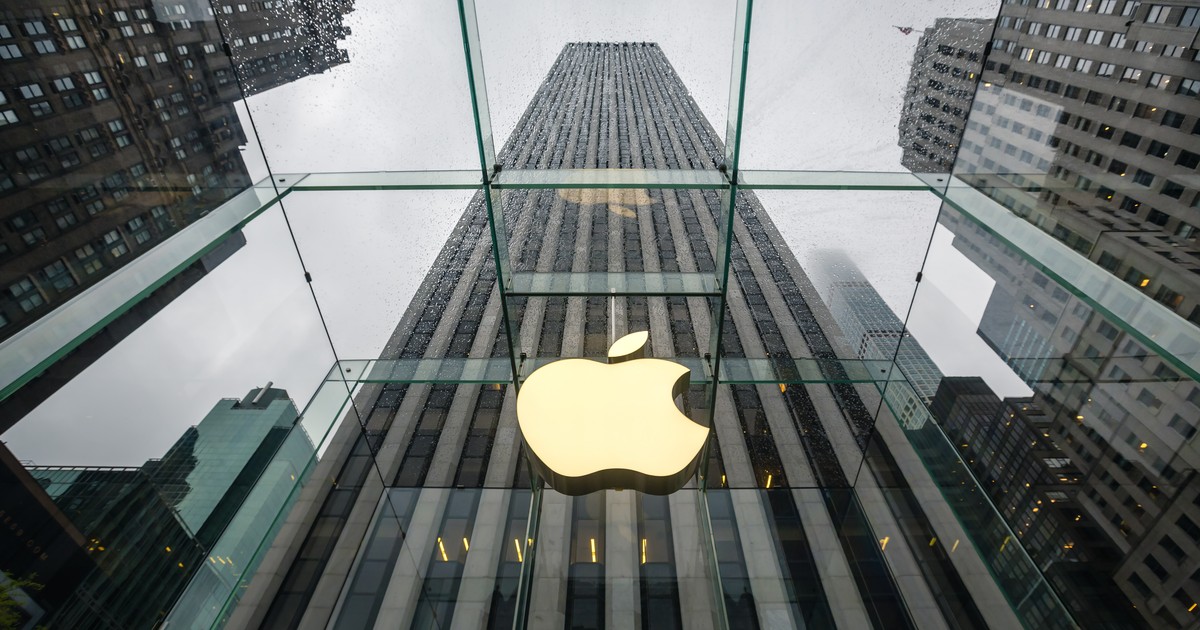
In a world of technology where artificial intelligence is becoming a key part of everyday life, Apple has just announced a groundbreaking partnership with Google. The Cupertino company has decided to integrate the Gemini model from Google as an AI content provider for the next generation of the Siri assistant. This is a multi-year agreement under which Google will adapt Gemini specifically for Apple, including transferring dedicated models to their servers. This decision, announced on January 13, 2026, surprised the industry, especially since Apple had previously collaborated with OpenAI as part of Apple Intelligence. What does this mean for the future of the AI market and why could OpenAI be the biggest loser?
Apple's partnership with Google may revolutionize the way users use Apple devices and, above all, increase the scope of use of Siri. Gemini, known for its advanced capabilities in natural language processing, multimodality (supporting text, images and video from one chat) and integration with the Google Cloud, is to power not only Siri, but also other functions previously developed as part of Apple Intelligence. In the long term, this is a step towards the unification of technological ecosystems.
Apple played a strong card here, gaining access to Google's powerful infrastructure. The choice, although seemingly controversial – after all, it may seem that Android owners are a natural competitor to iOS – makes a lot of sense. First of all, thanks to this cooperation, Apple will not be left behind, and this brand is known for patiently waiting for the development of technologies before implementing them. Many iPhone solutions were available on Android years earlier, but often in a less polished form. Secondly, unlike OpenAI, Alphabet has a user base independent of the sheer popularity and quality of AI solutions, which cannot be said about OpenAI. This means that Google will have a permanent base of potential testers and customers of its solutions – after all, these are all owners of Android smartphones, and that's up to 3.9 billion (sic) people.
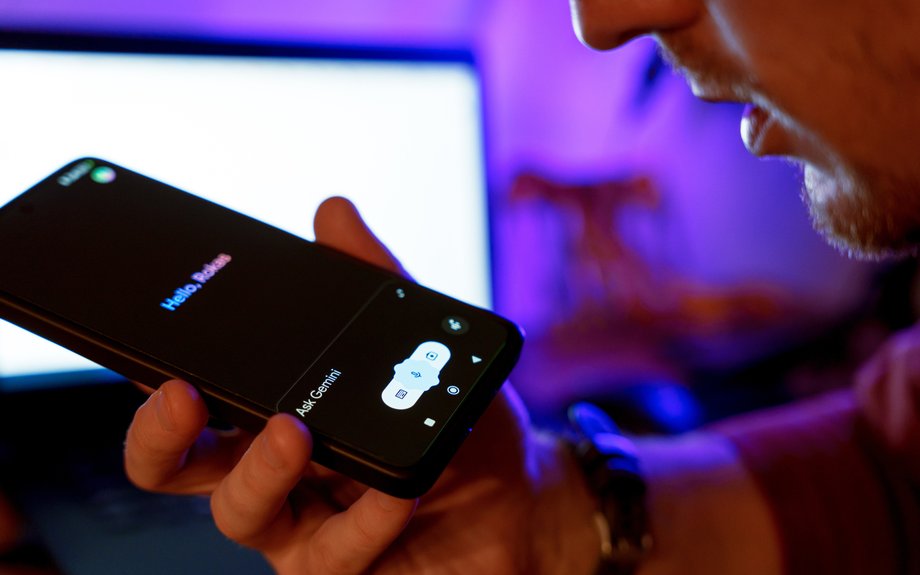
Google Gemini
|
Shutterstock / Shutterstock
For users, this means potentially smarter devices – from smartphones to computers – with AI that better understands the context of everyday use. However, this raises questions about privacy: Apple emphasizes that data will be processed locally, but cooperation with Google may raise concerns about information sharing. Going forward, this partnership could strengthen Google's position in the AI market by making Gemini the standard on billions of Apple devices, which in turn will accelerate AI adoption in consumer products. For users in Poland, this is also a hope for speeding up Siri support in Polish. Let us remind you that we still cannot speak Polish with the Apple assistant, but Gemini handles our language very well.
Read also in BUSINESS INSIDER
Implications for OpenAI
Apple's decision to choose Gemini rather than continue working with OpenAI (whose ChatGPT was previously integrated with Siri) is seen as a major blow to Sam Altman's company. OpenAI, which spent a year in negotiations with Apple, is being sidelined, which means it will lose access to the huge iPhone user base – up to 2 billion active devices. This is not only a financial loss (potentially billions of dollars in licensing fees), but also an image loss: OpenAI loses a prestigious platform for promoting its models.
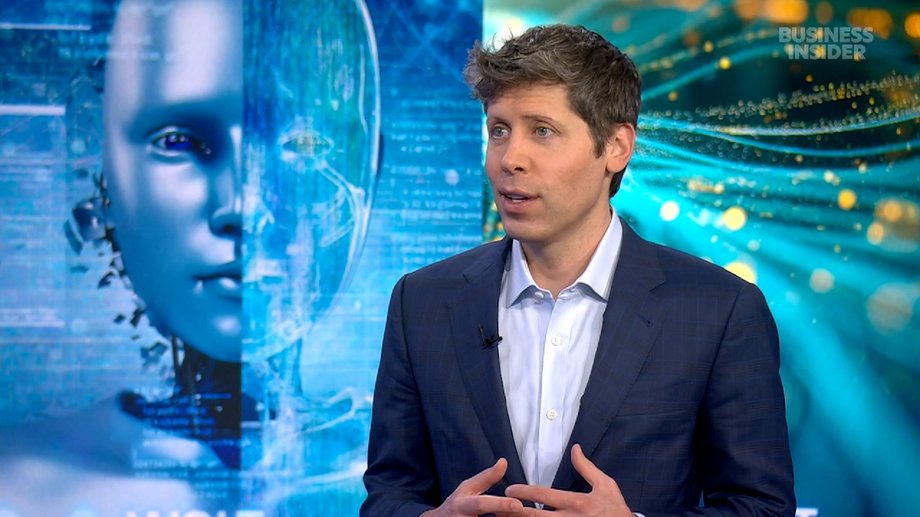
Sam Altman, CEO of OpenAI
|
Business Insider
One of the key advantages of companies such as Google or xAI in the AI market is their tight integration with existing products and user bases. Google, with billions of Android smartphone users, can effortlessly deploy Gemini in an ecosystem that includes search, maps and voice assistants. Similarly, xAI, through Grok integrated with the X platform (formerly Twitter), has access to millions of active users, which allows for natural AI scaling without the need to build a new database from scratch.
- Read also: There are only four such companies in the world. Google owner record
In contrast, OpenAI must only acquire new customers through subscriptions or APIs, which makes their massive investments (estimated at hundreds of billions of dollars in infrastructure and research) more risky. Without a built-in platform like Android or X, OpenAI is vulnerable to market fluctuations – if partnerships like with Apple fail, their business model could falter. This highlights why product-integrated companies have a strategic advantage: AI is becoming a natural extension of existing services, rather than a standalone product requiring marketing from the ground up.

ChatGPT
|
Yta23 / Shutterstock
The consequences can be far-reaching. OpenAI, dependent on external partnerships, now has to compete more intensely for new customers, which increases the pressure to innovate. In the context of increasing competition from open-source models and other giants such as Meta and Anthropic, OpenAI may have difficulty maintaining the pace of development. Without a huge breakthrough, such as making noticeable steps towards developing strong artificial intelligence (AGI), OpenAI may increasingly struggle to raise funds.
The AI bubble may be bursting due to OpenAI
The whole situation fits into the broader context of a potential “AI bubble” – a phenomenon where enthusiasm around the technology is driving record valuations and investments, but without commensurate returns. Some analysts warn against the bursting of this bubble, pointing to the huge financial liabilities of AI companies, such as OpenAI, which will not achieve profitability until at least 2030 and has liabilities of USD 1.4 trillion (sic). (approx. PLN 5.25 trillion) in infrastructure.
Many specialists, including economists and market analysts, point to OpenAI as a potential “trigger” of the bubble burst. Their dependence on external financing (e.g. from Microsoft) and lack of diversification means that problems such as the loss of key partnerships can have a domino effect: falling investor confidence, higher interest rates and massive cuts in the AI sector. If the bubble bursts in 2026, as some predict, OpenAI could be the first victim, impacting the entire market — from startups to giants like Nvidia.