Not so long ago, this topic was taboo in the European Union, but since then the mood has changed. Today, governments across Europe are interested they are watching the decisive actions of the Danes.
A radical break with the existing asylum policy took place in Denmark after the great migration wave of 2015. A “paradigm change” meant for refugees only temporary right of residence, no guarantee of permanent residence and regularly checking whether they still require protection. In 2019, Denmark was the first European country to recognize some regions of Syria as safe enough to return to.
The restrictive policy is paying off: in 2025, only 1,959 asylum applications were submitted, of which 875 were approved. These are historically low numbers. For comparison: 25,781 such applications were submitted in Switzerland, of which approximately one fourth received a positive response.
“They prefer to protect their countries rather than criminals”
The Danes are now going even further. Last week, the Ministry of Migration said: “Foreigners who have committed serious crimes, such as assault or rape, and have been sentenced to at least one year in prison, they must, in principle, be expelled from the country“.
The article continues below the video
According to the Court of Justice of the European Union however, automatic expulsions are not allowed. For this reason, Denmark, together with the UK, is demanding an amendment to the European Convention on Human Rights to relax the provisions on the protection of private and family life.
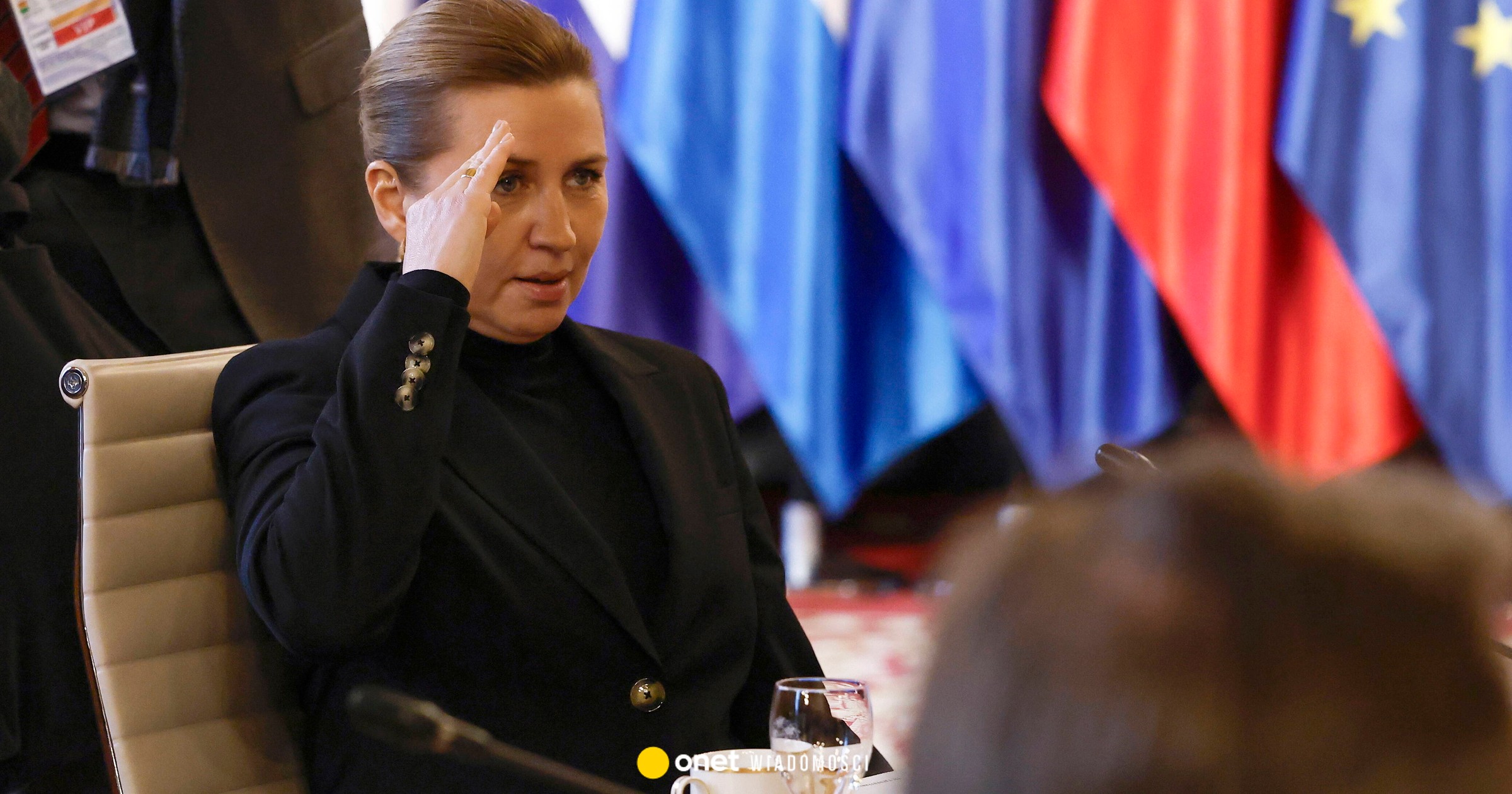
Prime Minister Mette Frederiksen said that during the work on the Human Rights Convention, no one imagined that someone from the Middle East would escape “to the best country in the world” and there “he will rape girls and women”. At that time, it was not taken into account that victims could become perpetrators. Therefore, in her opinion, European countries should sit down together and say that they “prefer to protect their countries rather than criminals.”
This uncompromising course does not come from the extreme right, but from the social democratic government. He is the one who breaks the taboo and points out the mistakes of migration policy from 10 years ago. Since Frederiksen has pursued a strong asylum policy, support for the populist Danish People's Party has fallen to negligible levels.
Changing moods across Europe
Similar statements and such an asylum policy would have been unthinkable in a European Union country a few years ago. Meanwhile, the mood has changed. Great Britain, France, Netherlands, Ireland, Sweden, Finland, Germany, Austria, Belgium, Poland, Greece – There is a clear shift towards restrictions everywhere. Nordic migration ministers agreed to cooperate closely on the return and reintegration of migrants in their countries of origin.
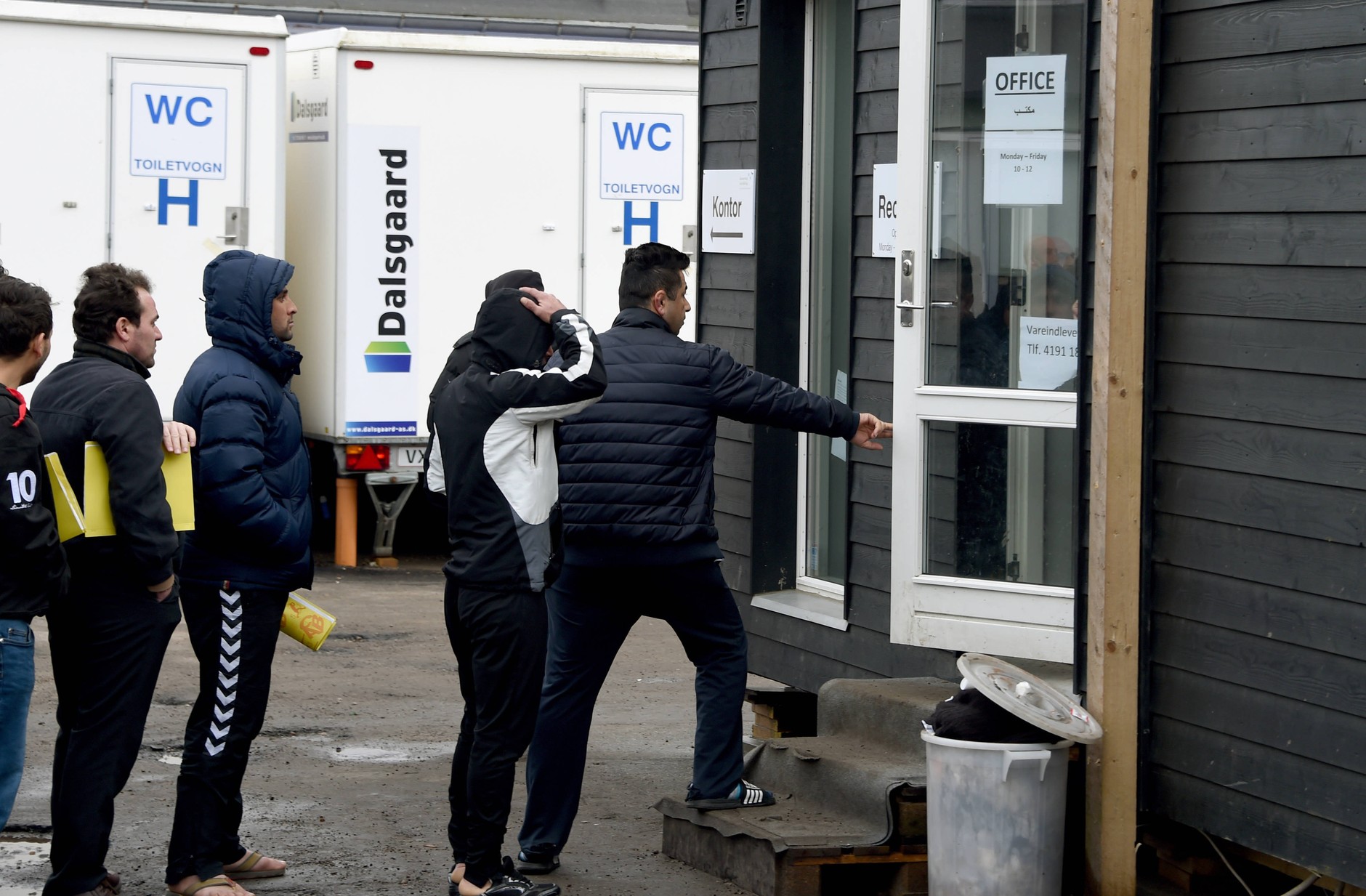
A refugee center in the Danish town of Hadersleben, March 4, 2016.Carsten Rehder/dpa/PAP
Sweden took inspiration from both Denmark and Switzerland by introducing equally strict regulations. The German “migration turn” is also based on the Danish model, although its implementation faces resistance from German social democrats.
Denmark, with its tough asylum policy, will also probably encounter obstacles. On the one hand, lenient judges can impose sentences of less than one year in prison, on the other – countries of origin may be expected to refuse to admit their citizens.
Since the rule is intended to apply to all “non-Danes”, Denmark must take into account resistance in Brussels when it comes to criminals from countries covered by the agreement on the free movement of persons. Such people cannot be expelled automatically, but only after detailed analysis and only if they pose a serious risk.
Still Frederiksen has a chance of success with a hard line: deterrence can significantly reduce the number of asylum applications across Europe. Moreover, the victory of its Social Democrats in the autumn parliamentary elections seems already certain.
I’m Ashley Davis as an editor, I’m committed to upholding the highest standards of integrity and accuracy in every piece we publish. My work is driven by curiosity, a passion for truth, and a belief that journalism plays a crucial role in shaping public discourse. I strive to tell stories that not only inform but also inspire action and conversation.