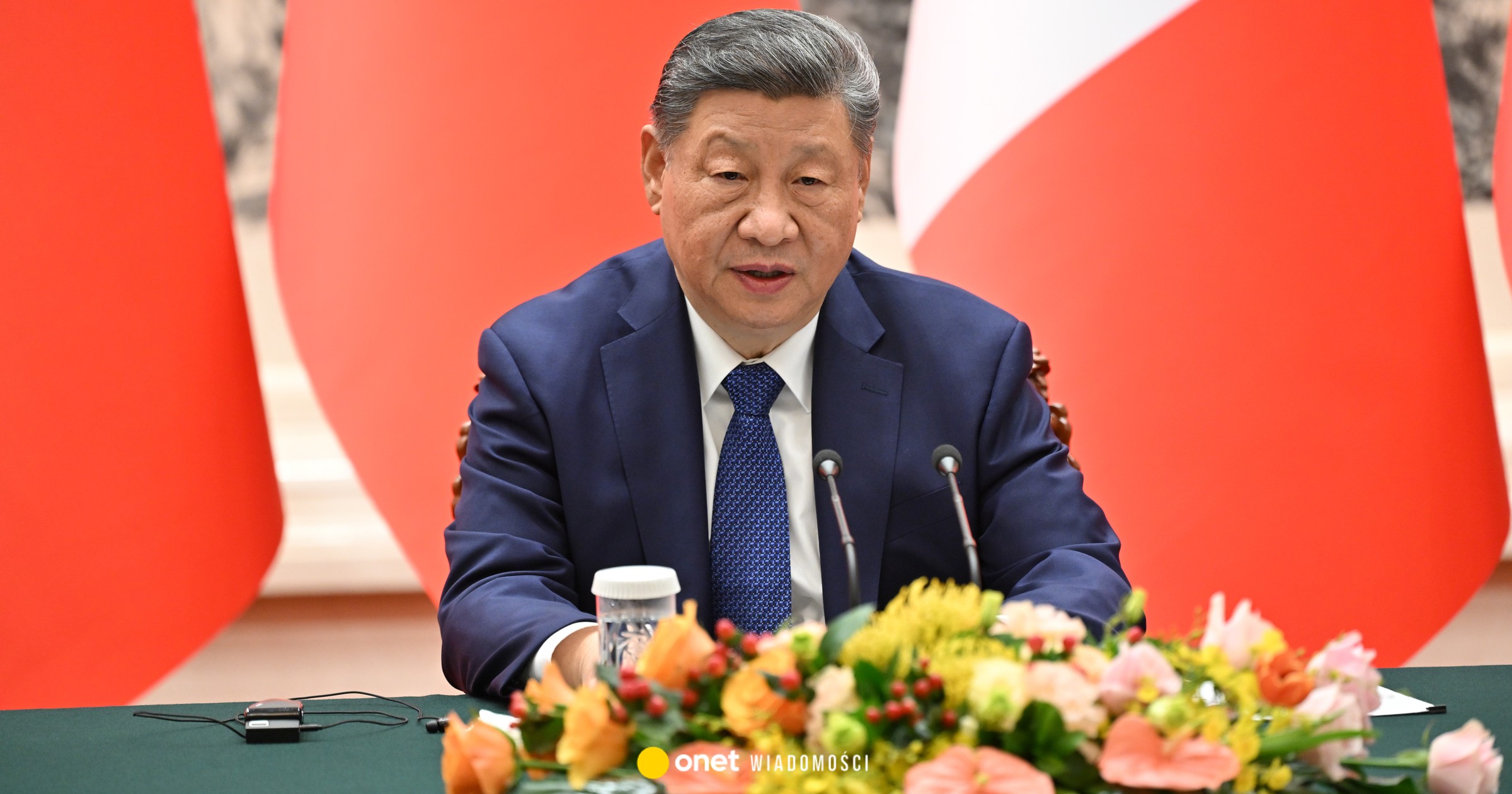
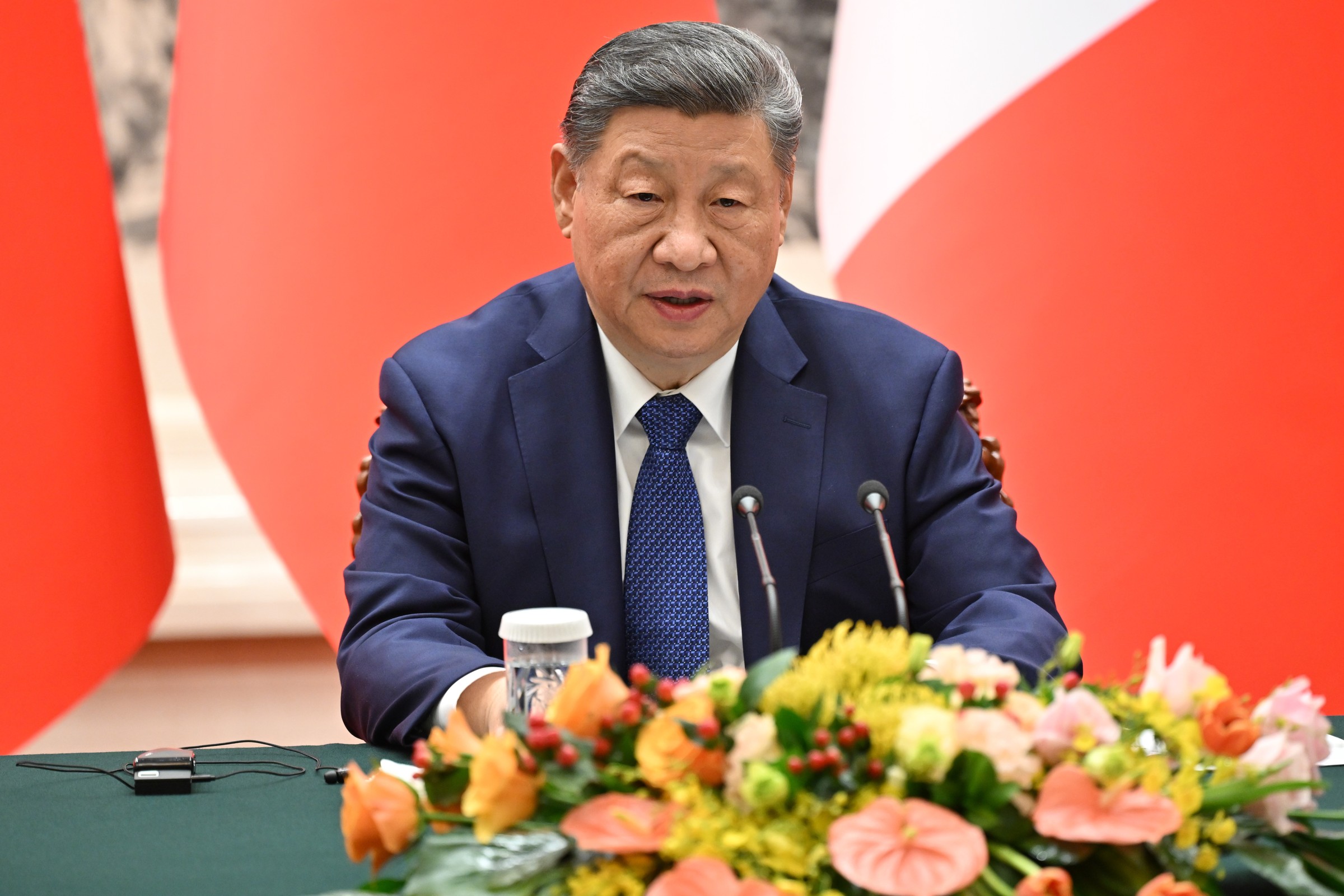
Analysts interviewed by The Wall Street Journal journalists also argue that due to thorough personnel changes, an immediate invasion of Taiwan seems less likely. Instead, Xi emphasizes putting pressure on the island's authorities without initiating open hostilities.
This includes ongoing military exercises simulating a sea and air blockade of the island, economic and cyber pressure, as well as a “legal war” – the use of Chinese law to persecute Taiwanese officials and put pressure on Taiwanese citizens.
Taiwanese authorities report cyberattacks on the island's energy and medical infrastructure, as well as Beijing's attempts to isolate Taiwan diplomatically, including by putting pressure on Japan. According to former senior U.S. representative to Taiwan Lora Rosenberger, maintaining a compelling military threat remains a key tool for Xi to pressure Taipei.
The article continues below the video
The world learned about Zhang Yuxia's arrest on January 24 this year. The incident was part of a wide-ranging purge that has seen Xi in recent years fire five of the six generals he personally appointed just three years ago.
Although the Chinese military said during a closed briefing that Zhang had allegedly provided the United States with nuclear secrets and accepted bribes, Beijing officially limited itself to statements about violations of party discipline and the law, and the Chinese Ministry of Defense called on people to avoid “unfounded speculations,” writes “WSJ.”
China confident
One of the possible causes of the conflict between Xi and Zhang, analysts point to differences of opinion regarding the deadlines for preparing the army for the Taiwanese scenario.. As Jamestown Foundation analyst K. Tristan Tang writes, Xi insisted on achieving full operational readiness by 2027, while Zhang referred that goal to 2035. After his arrest, a military newspaper accused the general of “seriously violating” the system of absolute power of the chairman of the Central Military Council – a phrase that experts see as an indication of a political challenge to Xi's authority.
Some analysts warn that the concentration of power increases the risk of mistakes being made. Former Pentagon strategist Drew Thompson notes that by weakening the highest military management body, Xi has complicated the command and control systemeffectively managing a million-strong army through a “one-man committee.” Nevertheless, according to WSJ sources, Beijing considers this risk justified and increasingly so is skeptical about Washington's readiness to intervene in the conflict over Taiwan.
Even the largest-ever US arms sale to Taiwan, worth $11.1 billion. [39,4 mld zł według obecnego kursu walut] is seen in Beijing as support for the U.S. defense industry rather than as a tough security commitment, notes Yoon Sun, director of the Stimson Center's China program.
China also hopes to use Xi's contacts with President Donald Trump to further undermine Taiwan's trust in the United States. However, sources in the White House claim that Washington focuses on containing China through defense based on the “first island chain” and on deepening technological ties with Taiwan.
I’m Ashley Davis as an editor, I’m committed to upholding the highest standards of integrity and accuracy in every piece we publish. My work is driven by curiosity, a passion for truth, and a belief that journalism plays a crucial role in shaping public discourse. I strive to tell stories that not only inform but also inspire action and conversation.