On a typical afternoon, Othman Alahlemi and about 200 others crowded into the old Bronx Muslim Center for afternoon prayer, trudging down the two-story building's narrow stairs. On the way out, however, the sight is one of change: a new mosque of more than 30,000 square meters rises above a neighborhood full of Yemenite shops, restaurants and clothing stores.
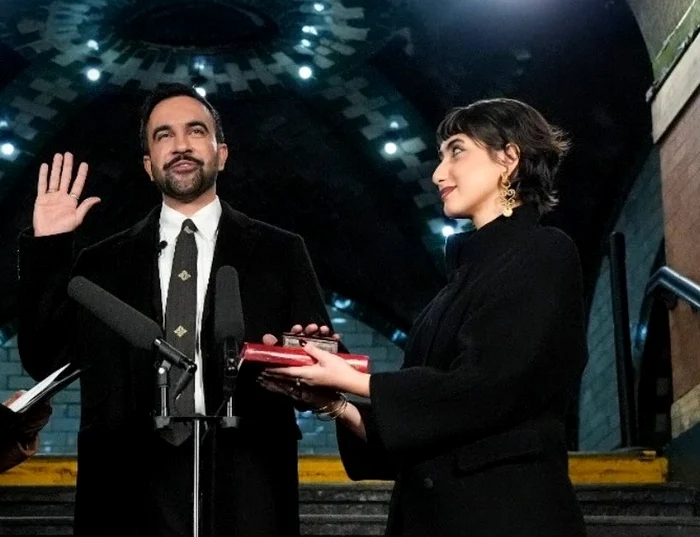
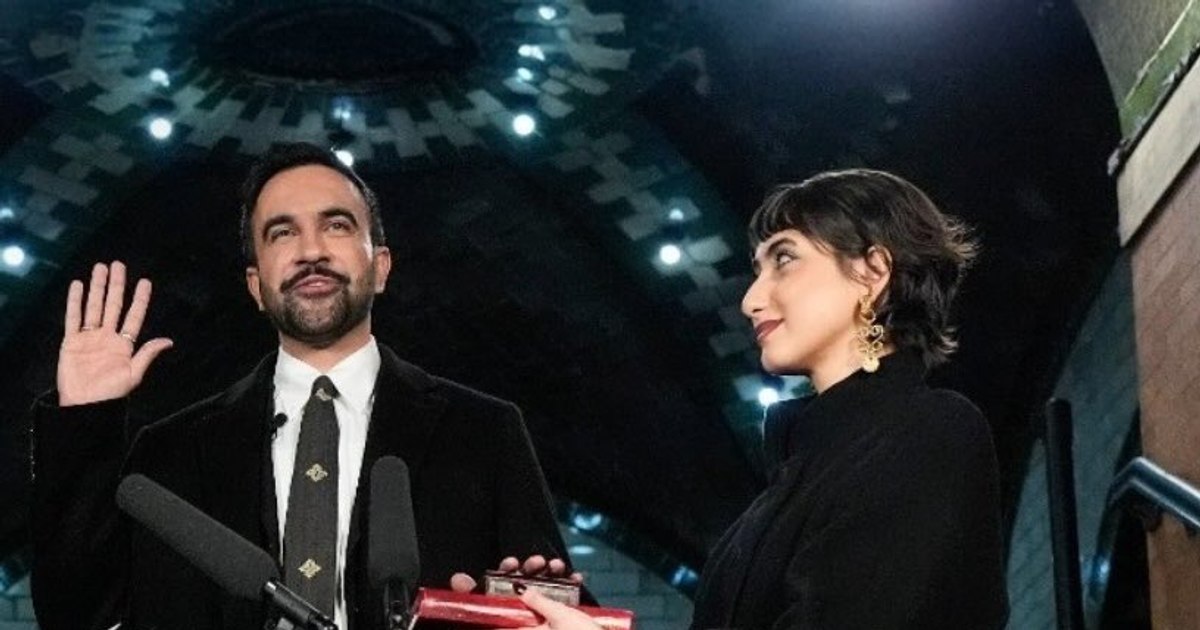
The mayor of New York took the oath with his hand on the Koran/FOTO:X
The new building, scheduled to open in late 2026, will become the largest mosque in New York State. It is in the neighborhood recently dubbed “Little Yemen,” an area once associated with Italian immigrants.
“We built a neighborhood and a community here”says Alahlemi, an immigrant from Yemen. “We will have a bigger space to educate our children, and Muslims from all over the city will come here.”
In a city known for its ethnic diversity, where power has for decades passed through the hands of the Dutch, Irish, Italian, Jewish and African-American communities, Muslims are becoming increasingly visible — not just as a demographic presence, but also as a political force, writes The Washington Post.
This change became evident in November, when the Muslim community played a key role in Zohran Mamdani's electoral victory. At 34, he became New York's first Muslim and South Asian mayor, marking a symbolic milestone for a group that for decades has been on the fringes of municipal power.
“We find ourselves in him”says Hafeez Raza, a 64-year-old seamstress from Brooklyn. “For the first time in a long time, people feel they have a voice.”
A growing community
New York's Muslim community includes large South Asian, Indo-Caribbean, Arab, and African populations, along with a historic African American Muslim community. They transformed neighborhoods in the Bronx, Brooklyn and Queens, revitalizing commercial areas, building schools and places of worship, while confronting restrictive immigration policies and Islamophobic attacks.
Estimates of the number of Muslims vary. The Council on American-Islamic Relations (CAIR) estimates that about one million Muslims live in New York, or nearly 12 percent of the population. Other institutions provide lower figures but confirm steady growth and increasing electoral influence.
Electoral data shows that Muslims make up about 7% of registered voters, but made up almost 14% of those who voted in the 2025 election, according to an analysis by the civic organization DRUM.
Political support, but also reservations
Interviews with community leaders and members show a mix of enthusiasm and caution about the new mayor. Many were drawn to Mamdani's promises to lower the cost of living — rent freezes, free public transportation and universal childcare — as well as his strong stances on protecting undocumented immigrants.
However, some Muslims describe themselves as more conservative than Mamdans on issues such as the role of the police, business regulation or education.
“We want him to do his job,” says Abdel Tazghina, a Moroccan immigrant living in Brooklyn. “Rents are high, bills are high, food is expensive. If he can change that, that will be good.”
In neighborhoods like Brooklyn's “Little Pakistan,” once considered withdrawn and politically reticent, civic participation has grown significantly. Thousands of residents registered to vote between the primary and general elections, and Mamdani won overwhelming majorities in these areas.
Expectations and tensions
Although many Muslims say they don't expect policies dedicated exclusively to their community, organizations like CAIR are hoping for concrete changes: clarification of Muslim students' right to pray in schools, stricter rules for police interventions and greater representation in city government.
At the same time, Mamdani's positions on Israel have raised concerns among some Jewish leaders, who warn of the risk of increased intercommunal tensions. Mamdani has denied accusations of anti-Semitism, but the topic remains sensitive, WP notes.
“We'll give it a chance”
In “Little Yemen,” residents say their main hope is to strengthen the community. Yemeni businesses have revitalized the local economy, and the vacancy rate is lower than in some prosperous areas of Manhattan.
“Now We Have a Muslim Mayor in America's Biggest City,” says Bronx community leader Yahay Obeid. “So we'll give it a shot.”
For many, the political rise of Muslims in New York is not just about representation, but about a sense of belonging in a city that continues to change — and that, they say, is beginning to reflect them more faithfully.