The president, mediation and the referendum. Nicușor Dan, facing the most important challenge


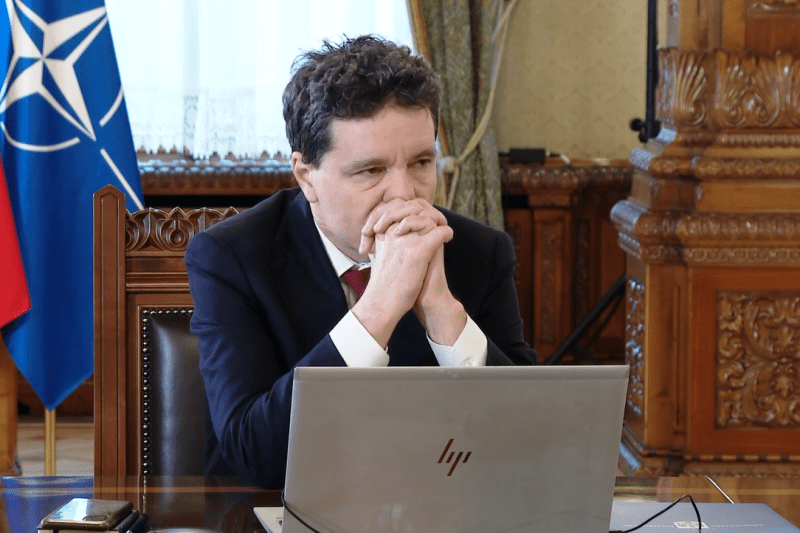
Nicușor Dan, at the consultation at the Cotroceni Palace with the magistrates Photo: capture presidency.ro
The elections of President Nicușor Dan, who today met with the magistrates at the Cotroceni Palace, will have significant consequences, and the prospect of a constitutional crisis cannot be excluded, writes Professor Ioan Stanomir, in an opinion published in Contributors.
Like the heads of state before him, the current head of state cannot avoid confrontations. It is vital, however, that the strategy he imagines is solid and effective. A failure would dramatically weaken the presidential institution: a disunited republic with an irrelevant president at its head would mean a catastrophe for our nation.
This is why the mediation action undertaken by the head of state must be carried out in order to produce the expected effects. The head of state operates in a rather hostile environment. On the one hand, it is about the opposition shown by the CSM and the leadership of the High Court. On the other hand, it is about the reluctance of the magistrates to express themselves directly in the conversation with the head of state.
And perhaps nothing is more troubling to our constitutional order than this inability to think out a response to the gridlock caused by fear and complicity.
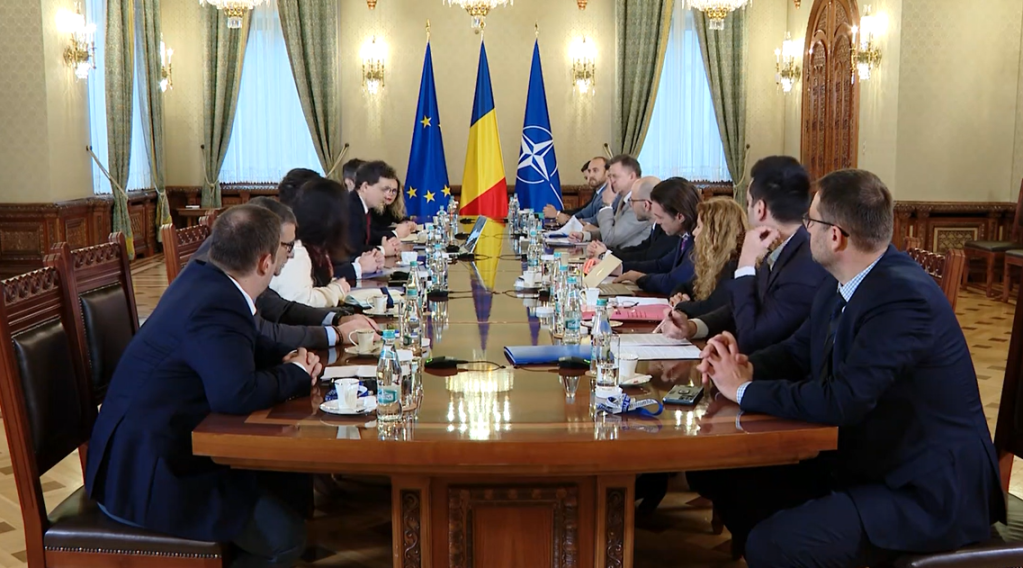 LIVE VIDEO Nicușor Dan, now face to face with the magistrates. Judge from Covasna: “The system is deeply dysfunctional” / “Our society has allowed politicians too much to intervene in justice”
The challenge of Nicușor Dan
The dialogue with the President cannot be carried out in clandestine conditions: the stake is not the creation of a documentary, nor anonymity. The stake is the defense of the honor of a profession and the affirmation of the supremacy of the constitution.
The President of the Republic is called to set in motion those mechanisms that offer an alternative. But these mechanisms must be effective. The call to the referendum is, traditionally, one of the weapons available to the head of state, but the referendum can only have one institutional dimension: the consultation of the entire nation. A called referendum can only look at the nation in its entirety. The question or questions can be related to legal issues, from criminal policy to the reorganization of an institution.
From this point of view, a referendum is meant to create the framework for a debate at the level of the nation as a whole: it is the right of the citizens to express themselves, when they are called to do so. A referendum can be seen as a means of political pressure in the negotiation with those who dominate the self-governing bodies of the magistrates. From the nation to the magistrates, here is the constitutional and legitimate way.
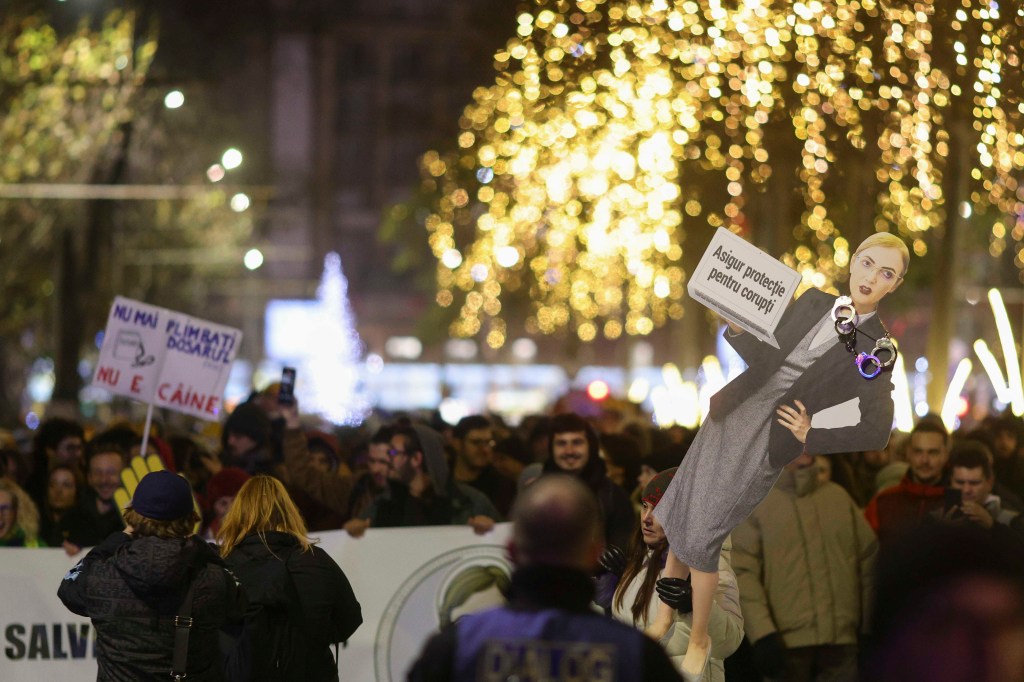 The first reaction of the protesters after the CSM said that Nicușor Dan has no right to hold a “referendum” about the CSM among the magistrates
The risk of a lasting crisis
The mediation that begins today is a laborious process. The head of state has the duty to mobilize that potential of honesty and courage already manifested. Mediation must be the starting point of a reflection on the edge of our legal architecture. The revocation of SCM members is related to the Judicial Inspection. The transparent functioning of a system depends on the existence of those credible control structures. The President must communicate firmly not only with the CSM, but also with the Minister of Justice. The recalibration of the mechanisms within the judiciary is the ultimate goal of the involvement of the head of state.
Those who oppose this action can resort to redoubtable legal instruments, in order to cause a lasting crisis. From reporting a legal conflict to the Constitutional Court to the initiation of suspension from office, the options must be seriously examined. The president must be a strategic planner. His involvement cannot be one based on hasty assessments.
Referendum and mediation are inseparable. The President of the Republic has the task of using the prerogatives at his disposal to defend the constitution. Between firmness and prudence, he must establish that balance of political wisdom. The attempt now is a test that must be faced, to the end.