Russia is irritated by the “coalition of the willing”. The deputy head of the Ministry of Foreign Affairs says clearly: we will not agree

The head of the Polish government takes part in the Eastern Flank Summit in Helsinki on Tuesday. The day before, he participated in a meeting in Berlin of the leaders of France, Great Britain, Germany, the Netherlands and Italy with the President of Ukraine Volodymyr Zelensky, devoted to the conditions of a ceasefire in Ukraine.
Read more: The West is creating a common front against Russia. Tusk talks about a breakthrough
Donald Tusk on the condition of peace in Ukraine
In a conversation with Polish journalists, the Prime Minister admitted that Russia's reaction to Monday's meeting in Berlin and the statement of European leaders “is not particularly encouraging.”
The rest of the article is below the video
— Just as I said yesterday after the meeting that I was cautiously optimistic, I can say the same today, but [że — red.] more cautious than optimistic when it comes to the Russians' reaction, Tusk said.
He emphasized that the key, most difficult and most painful issue from the point of view not only of Ukraine, but actually of the whole of Europe, is the discussion about possible territorial concessions by Ukraine.
He assessed that it would be very difficult to find a compromise on this matter.
He reiterated that the real achievement of the Berlin summit and the days leading up to it is that “everyone is finally sitting together on one side: Americans, Ukrainians and Europe.” He added that such an attitude could increase the effectiveness of pressure on Russia to cease fire and ultimately end the war. He noted that it is still a very complicated process.
Deputy Minister of Foreign Affairs of Russia on border points
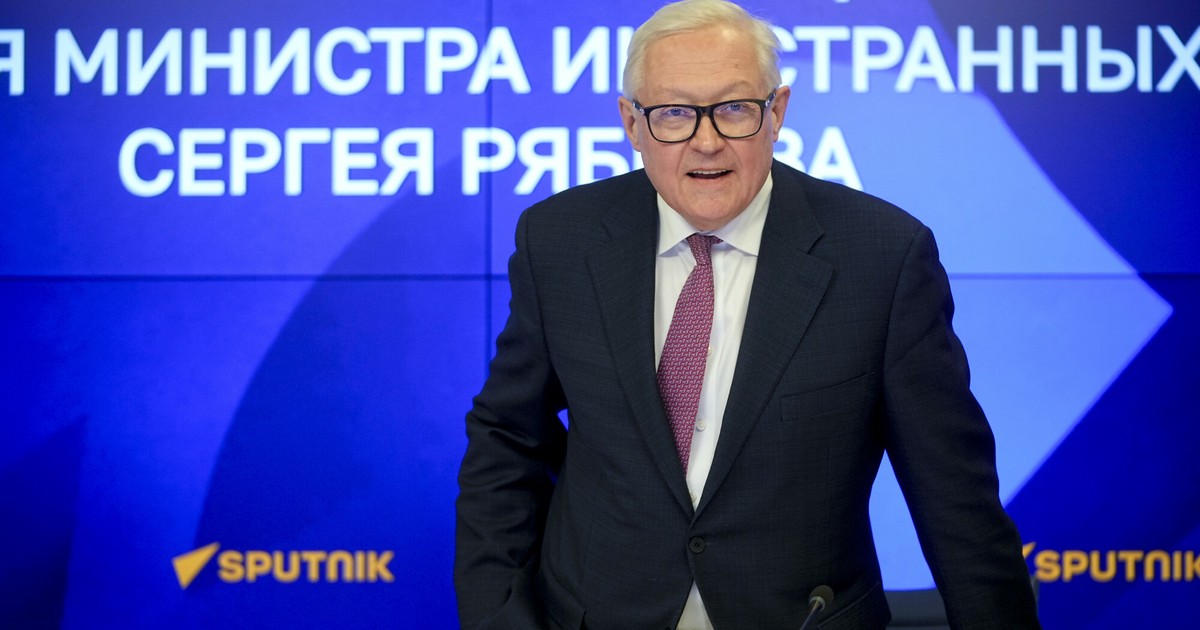
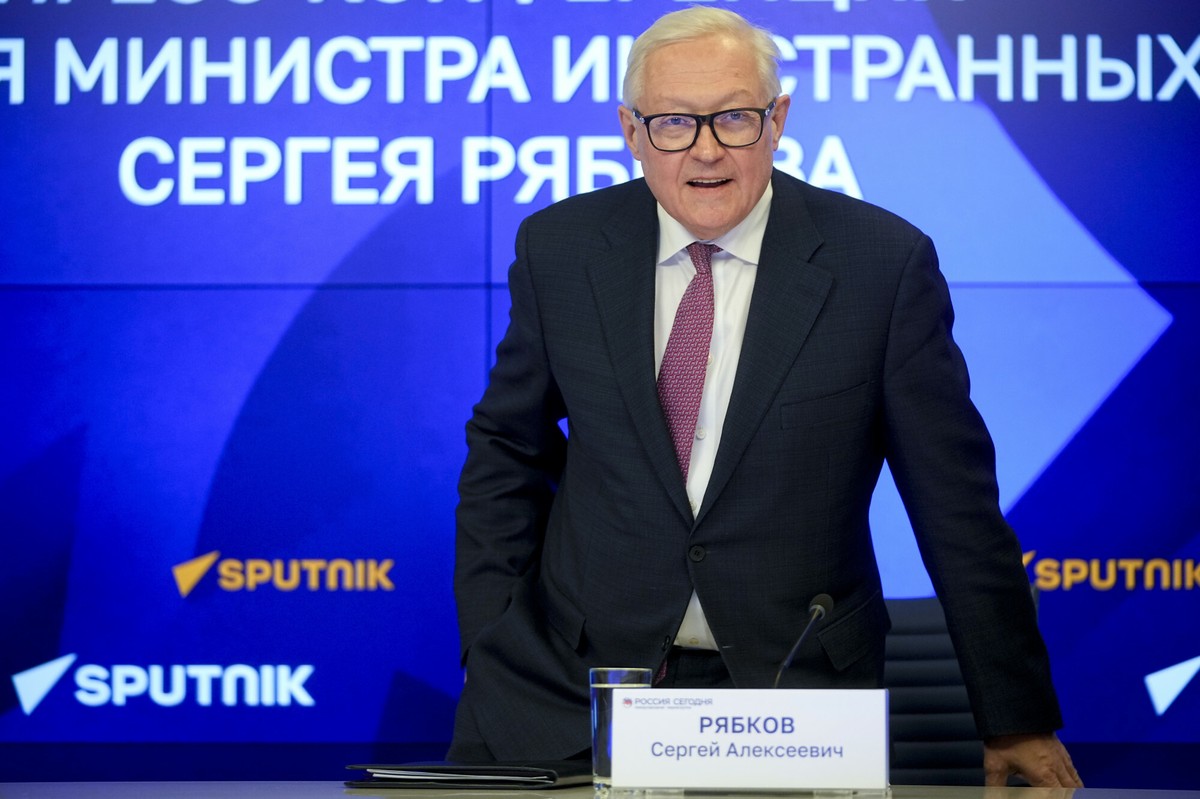
The territory issue will not end the negotiations yet. Sergei Ryabkov, deputy head of the Russian Foreign Ministry, stated in an interview with ABC News that Moscow will not agree to the presence of NATO forces or the “coalition of the willing” in Ukraine. Russia's deputy foreign minister confirmed the Kremlin's previously published tough stance on this and other issues.
Commenting on the American initiative to lead to a ceasefire, Ryabkov stated that The parties to the conflict are “on the brink” of a diplomatic solution that would end the warwhich began with Russia's aggression against Ukraine in February 2022. He expressed hope that an agreement would be reached “sooner rather than later.”
The deputy head of the Ministry of Foreign Affairs stated that Russia must maintain control over Crimea, occupied since 2014, and the Donetsk, Luhansk, Zaporizhia and Kherson oblasts — in the south and east of Ukraine. — We cannot compromise on this matter in any way, Ryabkov said.
Ryabkov, ABC News recalled, assured before the Russian invasion that Ukraine was not in danger. As Russian troops massed along Ukraine's borders in January 2022, Ryabkov declared that Moscow had “no intention of attacking, conducting an offensive or invading Ukraine.”
U.S. administration officials signaled Monday night that a peace deal between Russia and Ukraine may be closer than ever, telling reporters on condition of anonymity that “literally 90 percent.” problems between the two warring countries have been resolved, ABC News noted.