2025-12-13 13:15, updated 2025-12-13 17:07
publication
2025-12-13 13:15
update
2025-12-13 17:07
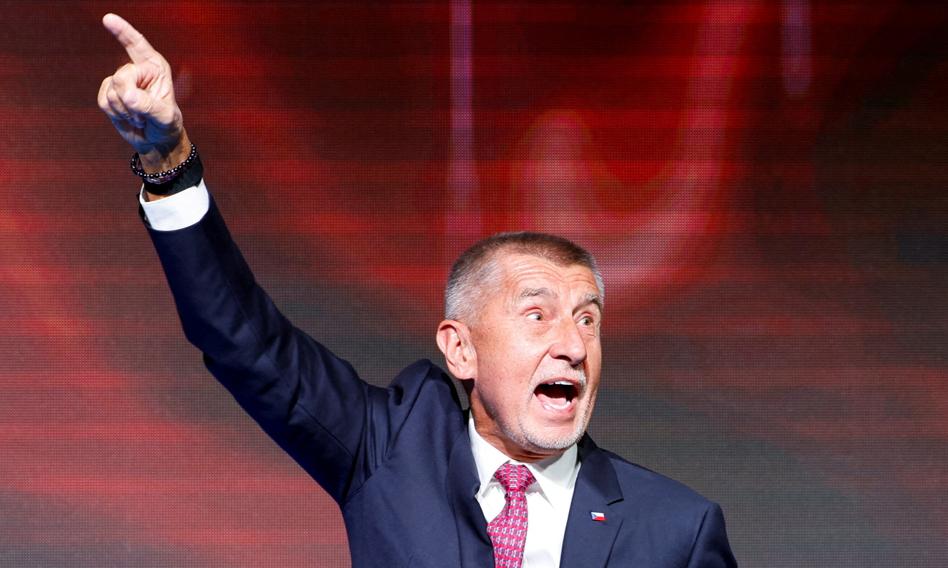
The European Commission must find alternative ways to finance Ukraine; The Czech Republic will not guarantee anything or give Kiev money, said Czech Prime Minister Andrej Babis in a recording published on Saturday on the X network. Our coffers are empty, and we need every crown we have for expenses for our citizens, he emphasized.
At the beginning of December, the European Commission proposed two options for further financing support for Ukraine: through the so-called a reparations loan, secured by Russian assets frozen mainly in Belgium, or by debt incurred by the EU. The first option does not require unanimity among the Member States, the second option does. According to the head of the European Commission, Ursula von der Leyen, the implementation of one of these plans will cover two thirds of Ukraine's financial needs for 2026-27.
Babisz announced on Saturday that he agreed with the Prime Minister of Belgium, Bart De Weverwhom he met on Thursday in Brussels. De Wever is concerned about the decision to use frozen Russian assets. The head of the Belgian government demands additional guarantees, financial security and protection against possible legal disputes.
Babis' coalition cabinet will be appointed by President Petro Pavel on Monday. The new Czech Prime Minister announced that on Tuesday the government will decide on the topics that the country's authorities will discuss during the European Council meeting scheduled for December 18-19. Babisz did not rule out talks among the three coalition parties.
The EU summit is expected to result in a decision on how to finance Ukraine for the next two years.
On Thursday, EU countries managed to reach an agreement to freeze Russian assets permanently, without having to make decisions on this issue every six months, with the consent of all capitals. The solution was adopted by a clear majority of Member States.
The decision was finalized on Friday. Only two countries were against the regulation banning the transfer of frozen funds back to Russia. Earlier, Hungary and Slovakia announced their opposition.
The countries' consent to the permanent freezing of Russian assets does not determine whether a reparations loan financed from this money will be granted to Ukraine. However, the decision is perceived as a significant breakthrough, bringing the Community closer to this goal.
From Prague Piotr Górecki (PAP)
ptg/rtt/