Russian President Vladimir Putin signed a decree ordering training for reservists to be conducted in 2026. This solution is perceived as another way to increase the number of people entering military service without announcing formal mobilization.
The document, dated December 8, states that Russians in the reserve will be called to exercises organized by the Armed Forces, the National Guard, military units of the Ministry of Emergency Situations, as well as the state protection services and the FSB.
The Kremlin is revealing its cards again, and their content does not bode well for peace. Reservists are to be on standby, as if Russia was preparing for further turbulence.
Reservists are people who are in the reserve and voluntarily signed a contract under the so-called mobilization reserve. According to official data, there were about 100,000 of them in 2021.
According to the Meduza website, citing Russian state media, Putin obliged the government and regional authorities to ensure all formalities related to the appointment of reservists and the organization of training.
Two of the four parts of the decree remain secretmarked “for official use”.
According to the applicable regulations, the president has the sole authority to determine how many reservists will be called up for exercises in a given year. This decision is made based on the current needs of the army, assessment of the security situation and recommendations presented by the government and military staff.
This number is therefore adjusted flexibly – so that the training includes exactly as many participants as are required at a given moment to maintain the state's combat readiness. The exercise period itself is also clearly regulated and cannot exceed two months.
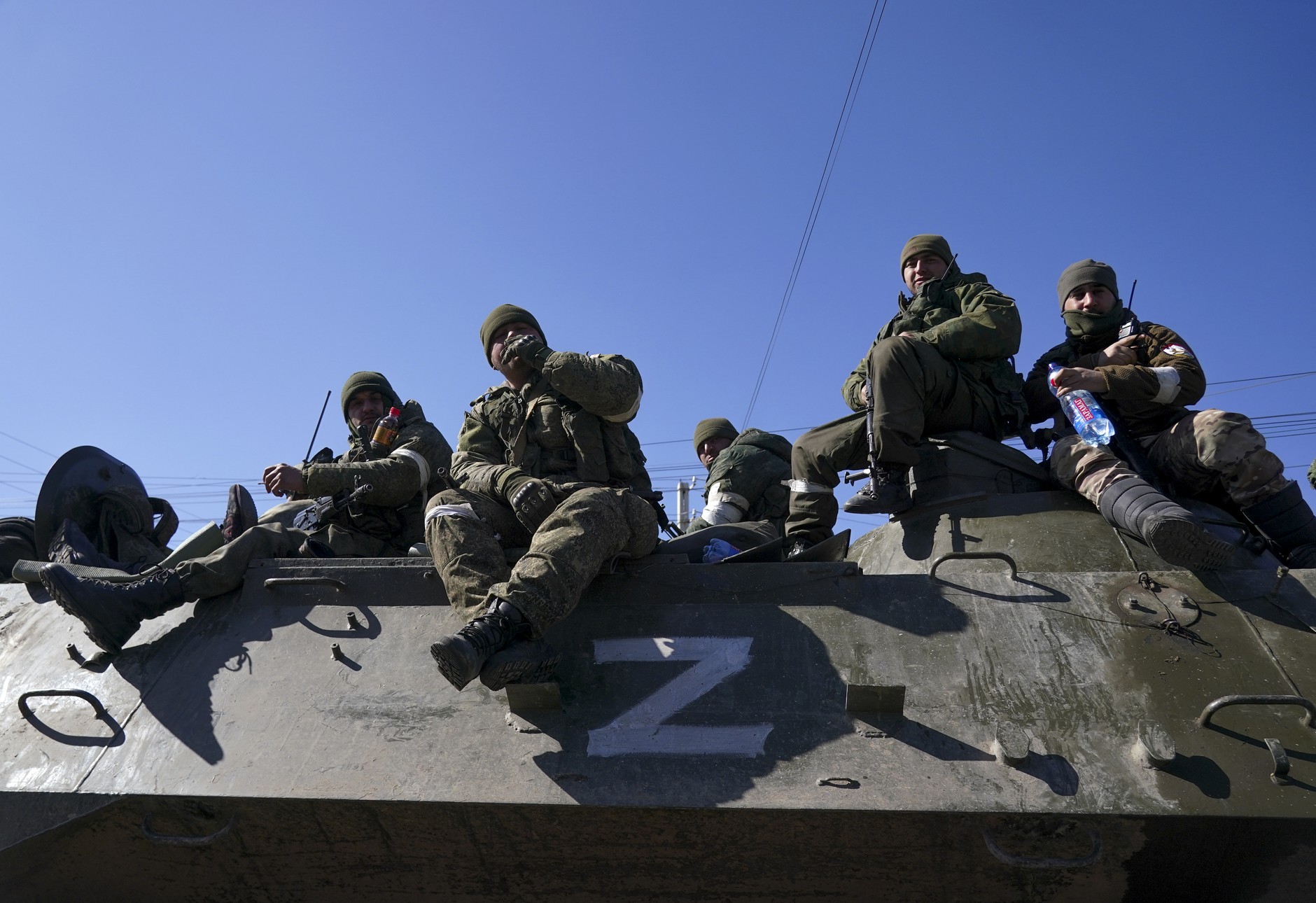
Russian soldiers (illustrative photo)Stringer/Anadolu Agency via Getty Images/Getty Images
In October, the State Duma adopted a law allowing reservists to be sent to “special training”, including: critical infrastructure protection missions. This solution is considered another way to enlisting more people into military service without announcing mobilization.
Winter training is rare in Russia. Last year, Putin ordered the exercises to start in January for the first time in 20 years. In previous years, similar decrees were usually issued from late February to early June.
Recruitment in full swing
The new decree is in line with previous actions expanding the army's capabilities in the use of reservists. On November 4, Putin signed another document allowing them to be directed to protect critical infrastructure throughout Russia.
Six days later, the Kommersant newspaper reported that at least 19 Russian regions had begun a large-scale recruitment of reservists to special units responsible for protecting key state infrastructure facilities. According to the daily, these activities are coordinated and are a direct response to the challenges resulting from the ongoing war in Ukraine, which has increased the threats to strategic facilities.
According to reports, these reservists – most of them directed to counter enemy drones – are to be granted full legal status of active-duty soldiers while performing such tasks, which formally equates them with the regular army.
They may be called in for “special training sessions”, the procedures of which are to be determined by the government. Vice Admiral Vladimir Tsymlansky, head of the Main Organizational and Mobilization Directorate of the General Staff of the Russian Armed Forces, assured that these reservists they will not be sent to the front in Ukraine nor deployed outside Russia.
However, there are no provisions in the decree signed by Putin that would confirm such restrictions.