“This has never been seen before.” Orthodox churches in the US are attracting record waves of new believers

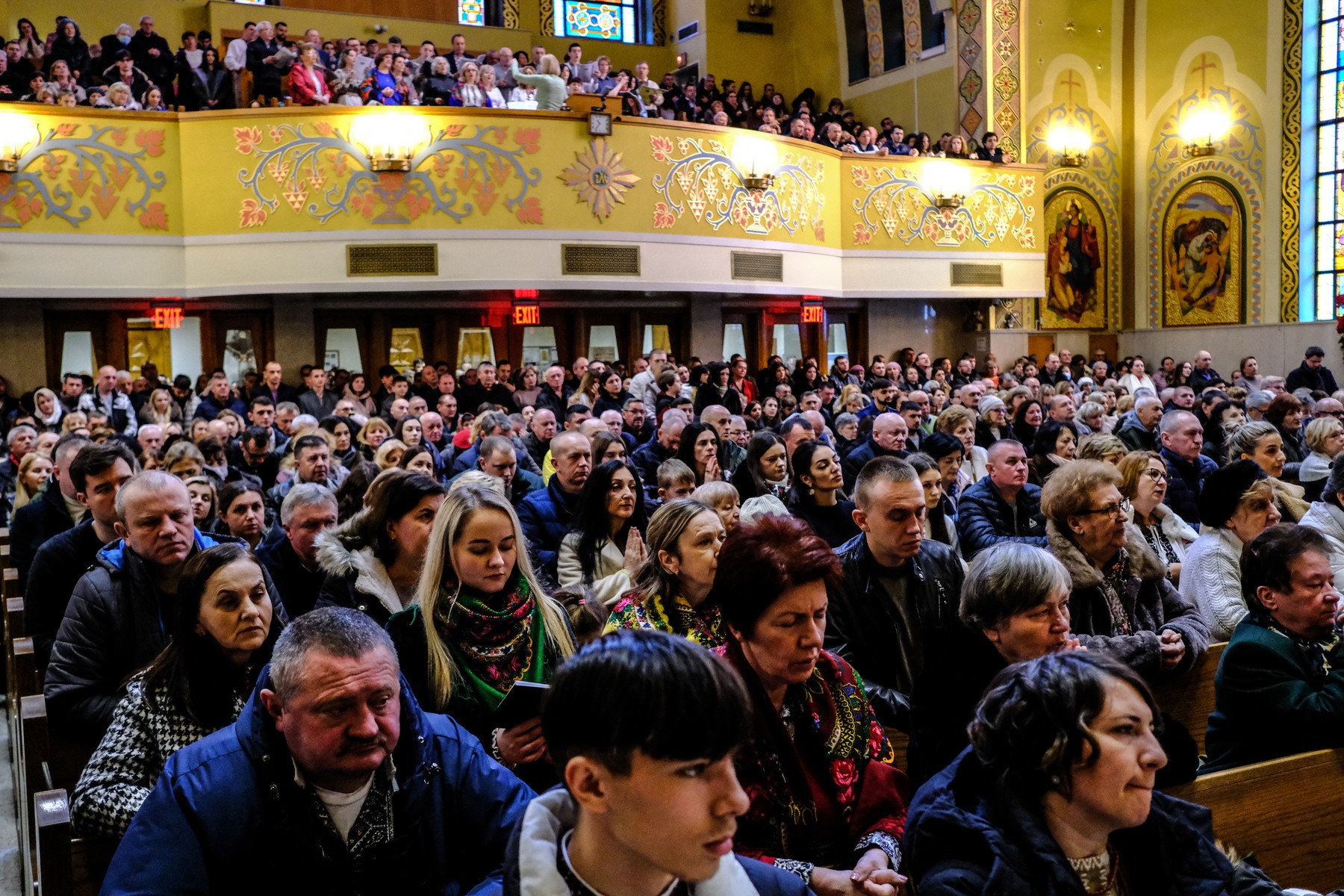
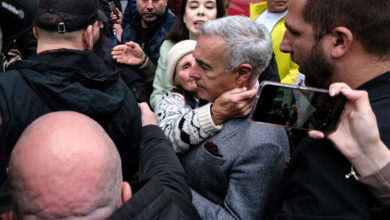
Orthodox Christian parishes in the US are strategizing to accommodate more potential converts than existing clergy can reasonably handle on their own, reports Ruth Graham, a feature reporter for the prestigious US publication The New York Times (NYT), noting that things are changing in an otherwise quiet corner of the country's Christianity, one that prides itself on how little has changed over time.
In the US, the ancient tradition of Orthodox Christianity is attracting energetic new followers, especially among young conservatives. They are drawn to what they describe as a more demanding, even difficult, practice of Christianity. New waves of young converts say Orthodoxy offers them hard truths and affirms their masculinity.
Stories circulate among priests of record numbers of attendees, and older members adjust—or not—to the influx of new followers.
“In the entire history of the Orthodox Church in America, this has never been seen before,” said the Most Reverend Andrew Damick, an Antiochian Orthodox priest and author from the eastern US state of Pennsylvania, of the large groups of young people showing up in parishes. “This is new ground for everyone,” he added.
In the United States, Orthodox Christianity is by far the smallest and least known of the three major branches of Christianity, accounting for about 1% of the population, compared to about 40% for Protestants and 20% for Catholics.
Many are drawn to Orthodoxy by social media influencers
Orthodox pews in American churches have historically been filled by immigrants from Ukraine, Greece, and other countries with large Orthodox communities. Their US-born children often choose other churches.
Still, reporter Ruth Graham notes, a homegrown Orthodox Christianity is on the rise in the US. Many unchurched young Americans have been initiated into Orthodoxy by YouTube and social media influencers. Critics call the new young followers “Orthobros” (an ironic colloquial term that translates to “orthodox brothers”).
Orthodoxy “resonates with the male soul,” said North Carolina State University student Josh Elkins, who was chatting with other young men.
“The Orthodox Church is the only church that really guides men and says, 'This is what you have to do,'” said Elkins, 20, who casually quoted a second-century martyr and uttered terms like “monarchical episcopate” in conversation.
Almost a quarter of Orthodox Christians in the US are under 30 years old
Orthodox Christians in the US are younger and more male than many other Christian groups here. More than 60 percent of them are men, compared to 46 percent of evangelicals, according to the Pew Research Center. They are also much younger, with 24% of adult followers under 30, compared to 14% of evangelicals. The differences are the same are similar in relation to Catholics.
Some converts approvingly report that Orthodoxy has a more masculine edge than other traditions. Priests, who must be male and can marry, often have long beards and large families, notes the NYT reporter.
Orthodoxy requires practitioners to make sacrifices such as fasting, rather than providing them with stirring contemporary songs and therapeutic sermons, which critics describe as the typical evangelical megachurch experience.
“There is no war to die in — well, there are wars to die in, just not honorable ones,” said Laric Copes Jr., 28, who attends All Saints Church. For former Protestants like him, Orthodoxy serves as “a kind of frontier of exploration,” he said.
“Young people need a purpose, whatever it is,” said 26-year-old Jerod Stine. “Young people are struggling to find jobs, they're struggling to get into school, and society is really telling them, 'We don't need you,'” Stine added.
The joke that circulates in Orthodox circles
Many converts say they appreciate the idea that Orthodox theology and practices have remained the same since the birth of Christianity. The NYT reporter writes that in Orthodox circles there was also a joke to this effect: “How many Orthodox does it take to change a light bulb?” / “Change? What's that?”.
Some Orthodox parishes now have their own schools, which in the US has long been a rarity for a tradition with such a small number of students. The Pan-Orthodox St. Constantine School has more than 500 students at its main campus in Houston, which opened in 2015. The chain opened a new campus in Pittsburgh last year and another in Dallas this fall.