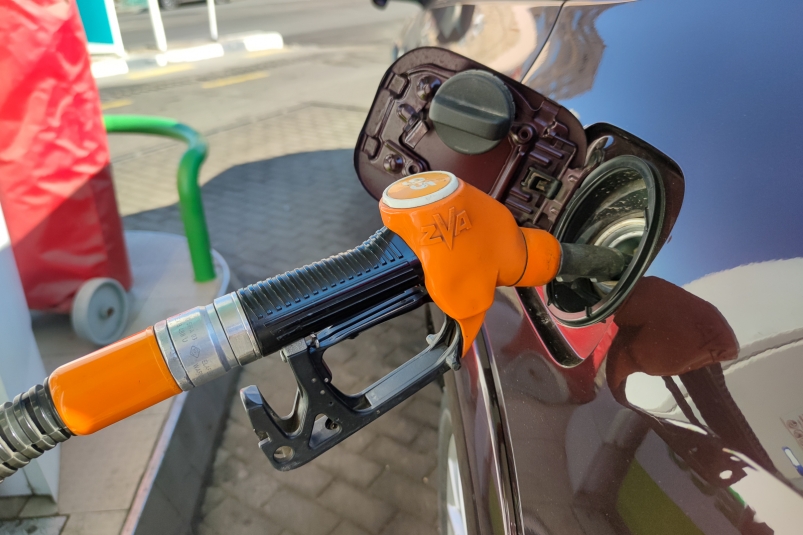
Refueling nozzles at gas stations have become a familiar part of everyday life for those who drive a car. They are convenient because they turn off the fuel supply themselves when the tank is full. But how does this mechanism work and how safe is it?
How does a refueling nozzle work?
The refueling nozzle only seems like a simple device, but in fact it is a well-thought-out design without electronic components. This is due to safety requirements: electrical parts can cause a fire due to gasoline vapors.

The gun works thanks to the interaction of mechanical parts. When you press the lever, the valve opens and fuel goes into the tank. The design has an air channel that is connected to the membrane. As soon as the fuel reaches the nozzle of the gun, the air supply stops. A vacuum occurs, which activates the fuse – the fuel stops flowing, and we hear a click.
The mechanism is reliable, but sometimes failures still occur. For example, if the gun malfunctions, fuel may overflow from the filler neck. This is dangerous because gasoline that gets on the car body is highly flammable.
Auto mechanics say it's safe to fill your car to a full tank, especially new cars, as long as the pumps are working properly. But you need to be careful and not leave the gun unattended to avoid trouble.
Advantages and nuances of refueling to full
When you fill up to full, you don’t need to go to the gas station often. But it is better not to fill in more than what is indicated in the instructions for the machine. If you overfill fuel, it may splash out of the tank or the pressure in the system will increase, which is also bad. It’s also worth remembering that gasoline expands in hot weather, and this also creates risks.