Searches at the Micula brothers' companies. The two are accused of alienating their company assets to avoid returning an illegally received state loan



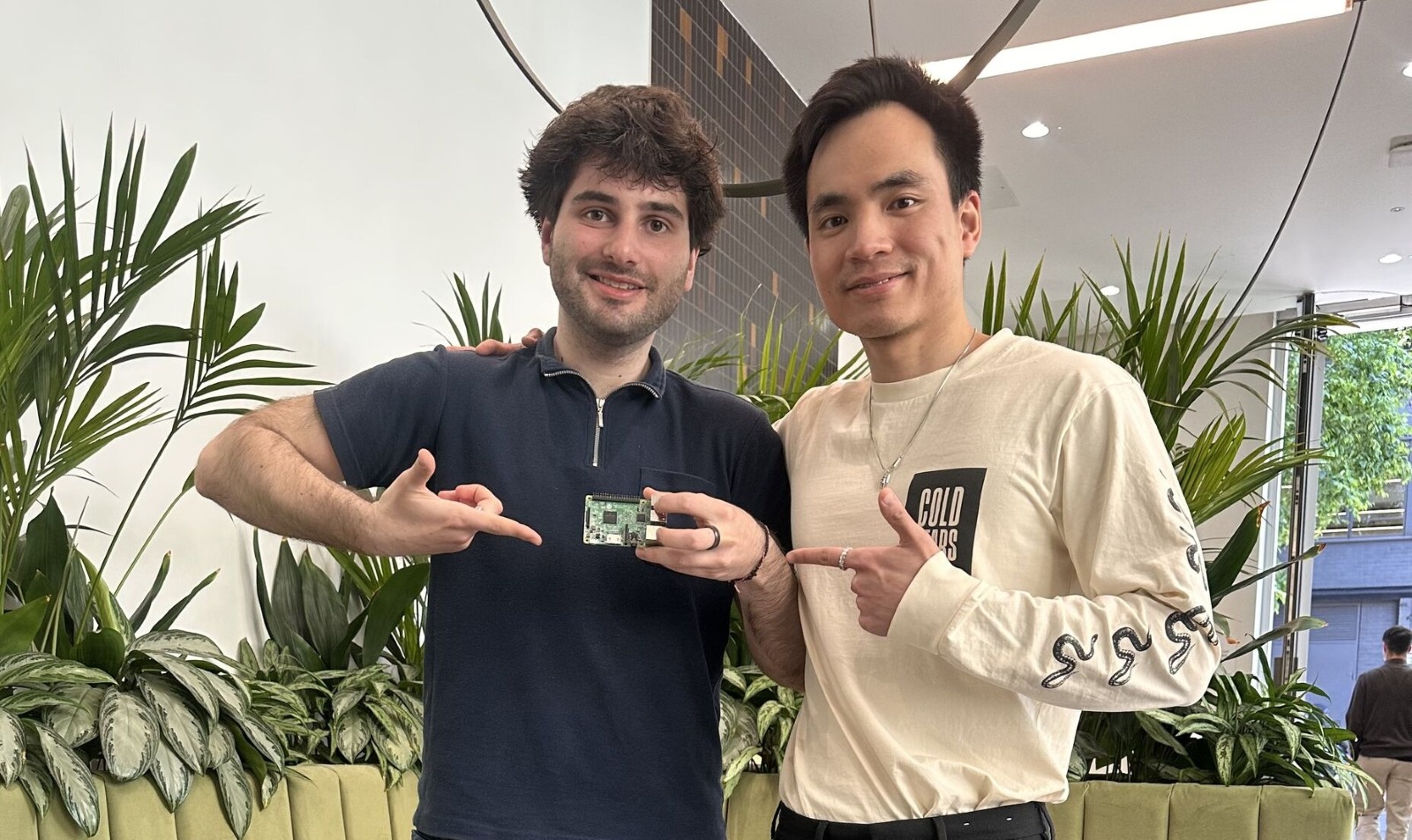
Brothers Viorel and Ioan Micula (archive photo), Photo: AGERPRES
Prosecutors are conducting searches on Monday morning at the headquarters of several commercial companies from the European Food and Drinks group of brothers Ioan and Viorel Micula, reports Digi24. According to the local publication Bihoreanul, headquarters in the localities of Rieni, Ștei and Sudrigiu in Bihor county are targeted.
In this file, the prosecutors suspect that in order to avoid paying the sums owed by the group for state aid illegally received 10 years ago, assets worth 163 million lei of the companies were sold or transferred to other companies that were still under the control of the same owners.
Ioan and Viorel Micula are suspected of coordinating the activity of the European Food and Drinks group of legal entities and implementing a complex criminal mechanism aimed at the illegal transfer of assets belonging to the group's legal entities.
“In fact, from the data and information held in the case, there were indications that two natural persons, who would have coordinated the activity of a group of nine legal persons, would have implemented a complex criminal mechanism aimed at the illegal transfer of the assets in the patrimony of the legal persons within the group to eight other legal persons outside the group, but under the control of the same natural persons”, states the Romanian Police in a press release in which they do not name the two.
The Micula brothers owe 400 million euros to the state
This mechanism was created and implemented after the decision issued by the Court of Justice of the European Union, respectively the Court of the European Union, by which it was determined that the Romanian state must recover from the European Food and Drinks Group the sums of money paid to them in the period 2014-2019.
More precisely, the Romanian state had to recover approximately 400 million euros, of which 178 million euros were debits, and the difference represented interests and penalties. The payment of these amounts was qualified by the European courts as illegal state aid.
The main fraudulent methods used to ensure the transfer of assets from the patrimony of legal entities within the European Food and Drinks Group consisted, according to the prosecutors, in forced execution or direct sale/compensation of some debts.
In this file, embezzlement crimes with particularly serious consequences and tax evasion are being investigated.