“This is what Russia wants from us.” American general reprimands the West


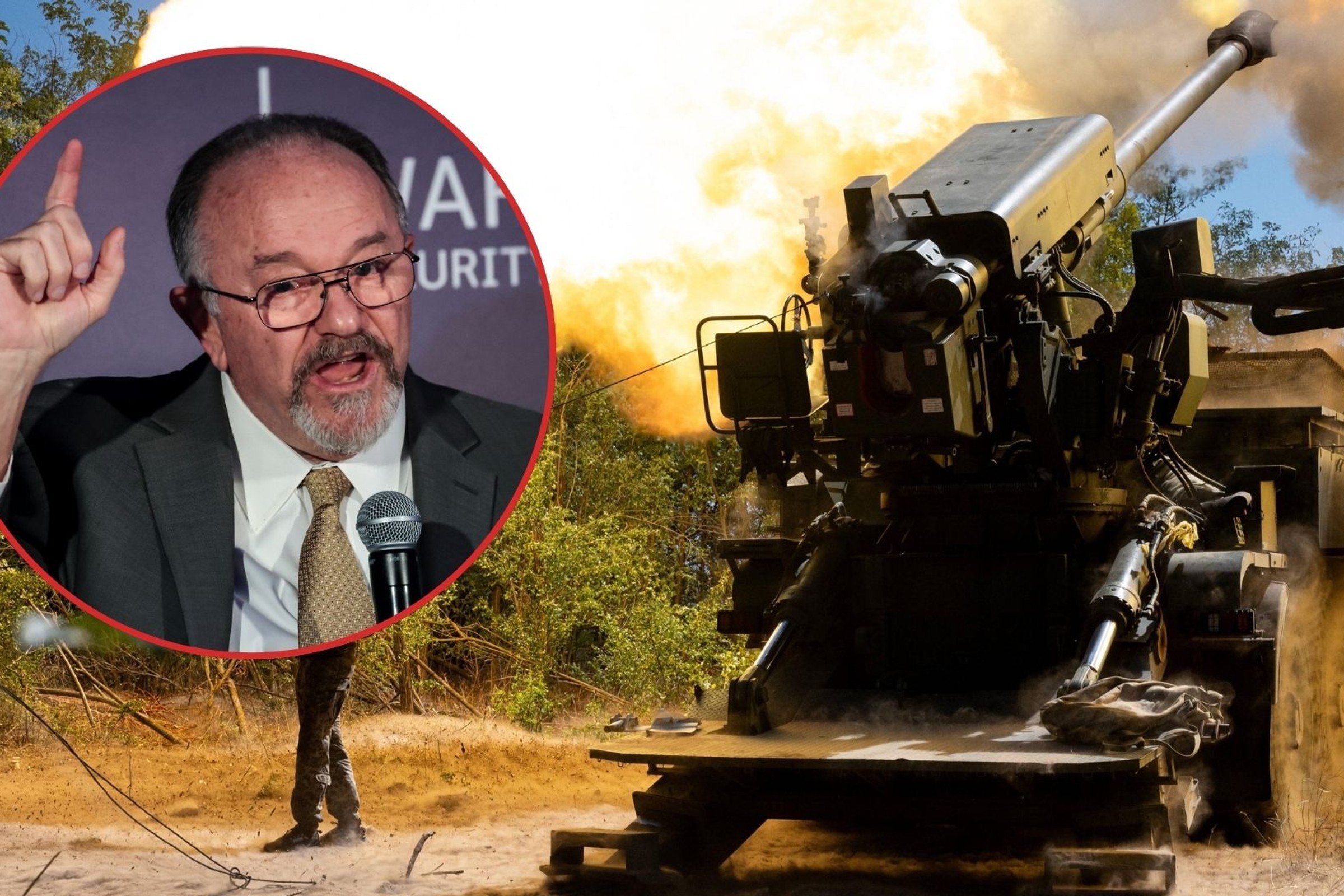
These escalating “hybrid attacks” on NATO member Lithuania are a strategic failure for the West, which has been repeatedly taking blows from Russia, says a retired four-star US Army general. Only a new approach can fix a series of mistakes. There are three solutions. Firstly, the general firmly demands that NATO abandon its lenient defensive stance and proposes specific actions.
Gen. Breedlove clearly assesses the diplomatic debate surrounding Russia's war in Ukraine. He believes that Western leaders are finally beginning to understand the grim reality that Ukraine and its allies have long been saying: Moscow is not interested in peace.
Russia has never been, is not and will never be interested in peace. The sooner Western leaders understand this and accept this truth, the sooner we can address it
– emphasizes the former commander of NATO forces in Europe.
Balloon crisis. Gen. Breedlove leaves no doubt
Gen. Breedlove's comments come as Lithuania is struggling to protect its airspace from dozens of helium-filled balloons – possibly used to smuggle various goods – that have repeatedly drifted over the border with Belarus, causing massive disruption to civil aviation.
Vilnius airport was closed for the weekend. This caused problems for over 16,500 people. passengers. Authorities in Lithuania condemned the incidents, calling them “hybrid attacks”, and took decisive action.
Prime Minister Inga Ruginiene said the country's army was taking “all necessary measures” to shoot down the balloons and closed the border crossings with Belarus for an indefinite period.
“The autocrats are once again testing the EU and NATO's resilience to hybrid threats,” Ruginiene wrote on social media, adding that “our response will determine how far the autocrats will go.”
Gen. Breedlove sees these incidents as a deliberate tactic by Russia and its allies to “test how far they can go” and gauge the West's reaction. According to Western officials, the stakes are high.
A senior Western official tells the Kyiv Post that the alliance must stop ignoring the threat. — Do we really want to allow balloons from Belarus to influence the airspace of a country belonging to the European Union and NATO? – he asks.
The general's strategic recipe
To counter the Russian campaign of intimidation, General Breedlove suggests an urgent change of strategy. Mere rhetoric should be replaced by a strictly military attitude and better resource management. What exactly is this about?
First, the general firmly demands that NATO abandoned its lenient defensive posture and immediately increased its state of readiness. NATO's current “air police” should be replaced by a state of “air defense alert”. It would clearly define the rules of engagement enabling individual countries to take proactive actions.
Second, it calls on Western forces to have stopped falling into the trap of using expensive weapons to counter cheap threats. NATO should stop shooting “million-dollar missiles” at balloons because “exchanging a missile worth millions of dollars for a balloon is exactly what Russia wants us to do.”
Instead, the alliance must become more innovative in defense. The American general recommended finding another, cost-effective method of shooting down the balloons. It's about the use of specialized tools mounted on existing aircraft [np. wszechobecny karabin maszynowy Vulcan 20 mm Gatling, zainstalowany w każdym myśliwcu wyprodukowanym w USA, lub jego odpowiednik] or drones already in service with the armies of individual countries of the alliance.
What's more, The West must, according to General Breedlove, regain the initiativewhile increasing the costs borne by Russia. “Putin will keep pushing until someone starts defending himself,” he emphasizes. Until this happens, Russia will continue to use tools that work.
EU leaders condemn the hybrid threat
European Commission President Ursula von der Leyen says in a social media post that Europe is “in full solidarity with Lithuania in the face of continuous incursions by smuggling balloons.” He argues that these actions are “destabilizing” and “provocative”.
“We call it what it is: a hybrid threat. We will not tolerate it,” he writes, adding that this situation is another reason to accelerate the implementation of flagship projects – Eastern Flank Watch and the European drone defense initiative.
Meanwhile, the President of the European Parliament, Roberta Metsola, reiterates “the EP's continued solidarity with the people of Lithuania in the face of hybrid threats from Belarus and emphasized our commitment to the security of Europe's borders.”
Antonio Costa, President of the European Council, says that “hybrid activities must end and Belarus must prevent further incidents.” The EU will continue to put pressure on the regime for its complicity in Russia's war against Ukraine and will support the protection of the EU's eastern border, he notes.
Nuclear intimidation and economic pressure
Gen. Breedlove links the escalation of various types of provocations by Russia with the economic pressure that Vladimir Putin is currently facing.
— He is currently in a difficult situation, the military officer notes, adding that “his country's economy is not doing well.” “It is under enormous pressure in its main sector, which is oil production,” he says.
Ukraine is hitting Russian refineries hard, prompting Putin to “attack with the means at his disposal.” He argues that these economic difficulties are causing Putin to resort to “war of words and intimidation,” which, as is widely known, includes nuclear threats.
“Putin always mentions nuclear weapons when he wants to scare the West because it works,” sums up the American general.