This is how Germany falls. “Boom for cocaine, crack and synthetic drugs”

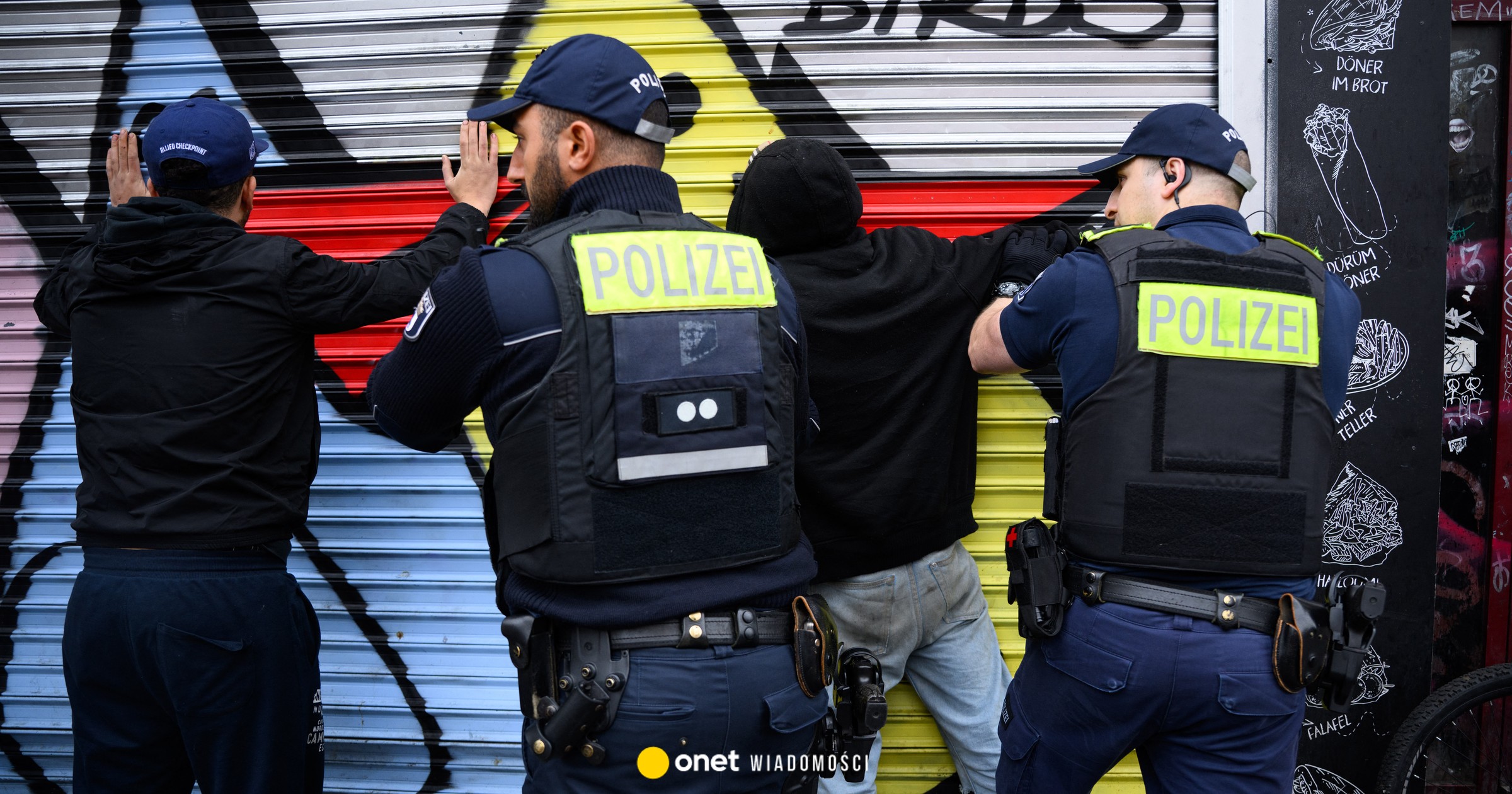
They were sailing on a large bulk freighter near the island of Wangerooge in East Friesland [kraina historyczna wzdłuż wybrzeża Niemiec, Danii i Holandii] and threw the parcels into the water at the agreed place. 1.2 thousand kg of cocaine was drifting in the North Sea and a Dutch cutter was supposed to pick up the goods. That was the plan. However, in March 2024, investigators from the Federal Criminal Office BKA swung into action and arrested the captain and his assistant.
This spectacular action is an example a new dimension of drug smuggling by sea. A method known as “drop-off” [wyładunek] is just one of many: the cartels also use submarines and high-powered speedboats to primarily transport cocaine to the North Sea ports of Antwerp, Rotterdam and Hamburg.
Smugglers are also present on land terrifying creativity: New tricks are being developed in South America, from cocaine in orange juice to powder in a plastic chair. Legal products do not attract attention during inspections at airports or customs points. In laboratories across Europe, drug traffickers then extract the drugs and prepare them for consumption.
“Criminal groups pose a great threat. Many of these acts of violence take place in public spaces.”
– warned BKA president Holger Munch during the presentation of new reports on organized crime and drug crime in Wiesbaden. Drug trafficking and many organized crime structures are closely interconnected. Cocaine smuggling, in particular, is the financial basis of many organizations' activities.
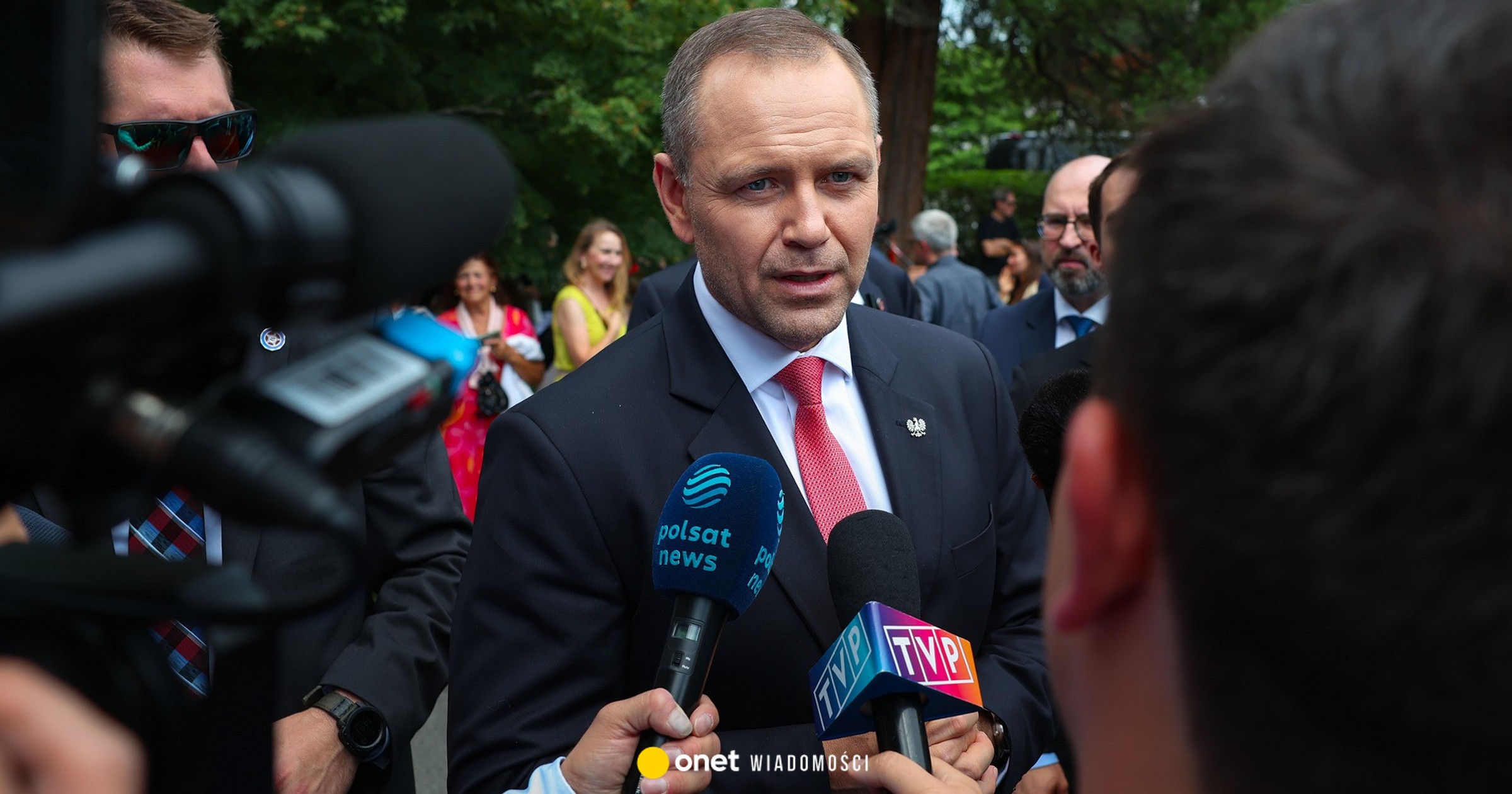
“Unfortunately, we cannot announce the end of the threat, quite the opposite. We have a huge drug problem in Germany,” said Federal Interior Minister Alexander Dobrindt (CSU), who sat next to Munch. Dobrindt extremely harshly called the government coalition's law on marijuana consumption, in force since last year, “a real shitty law.”
A new crisis in Germany
Federal drug commissioner Hendrik Streeck (CDU) also warned of a new crisis in Germany. “We are watching a boom in cocaine, crack and synthetic drugs. “High-potency drugs are more readily available today than ever before,” he said.
The annual report of the Federal Criminal Office on drugs notes for 2024 approx. 2.1 thousand drug-related deathswhich gives a slight decrease. The number of young people under 30 who died from drugs increased by 14%. Crimes related to the trafficking of drugs such as ecstasy, crystal, cocaine and synthetic drugs have “increased by double-digit percentages,” according to the federal interior minister.
The article continues below the video
“Organized crime operates brutally and unscrupulously all over the world — from drug trafficking, through money laundering, to influencing decision-makers.” These criminal networks must be deprived of their foundation by consistently drying up their sources of financing.
According to BKA, the total damage caused by criminal groups amounted to EUR 2.6 billion (PLN 11 billion) in 2024. Despite intensive controls, the estimated amount of money laundered by criminal groups increased from approximately EUR 166 million (PLN 704 million) in 2023 to EUR 230.5 million (PLN 978 million) last year. The authorities want to counteract this trend through a planned reversal of the burden of proof in the case of confiscation of assets of unclear origin.
In the future, it will not be the state that will have to prove that the money comes from illegal sources. Criminals will have to show that they obtained their property legally. If they cannot do this, the state will be able to confiscate the money.
Criminal networks
The Minister of Interior also emphasized “constantly growing potential for violence in connection with drug crimes” and drew attention to 400 firearms and approximately 100 pieces of military weapons that investigators confiscated from criminal groups last year. In fact, the criminal scene across Europe is undergoing enormous changes. In addition to the traditional, hierarchical structures, loose groups have emerged that come together to commit individual crimes and then disband again.
Last year, the Federal Criminal Office conducted a 647 investigations in the case of organized crime – the second highest number in the last 10 years – against approximately 7,000 suspicious. It can be said that the nature of groups has in many cases become professionalized. They use them intensively digital possibilities — from crypto mobile phones, to digital scams, to recruiting new members through digital platforms and chat groups. Researchers call these criminal structures “project-based organizations”, and criminologists talk about a trend called “crime as a service”. [przestępczość jako usługa].
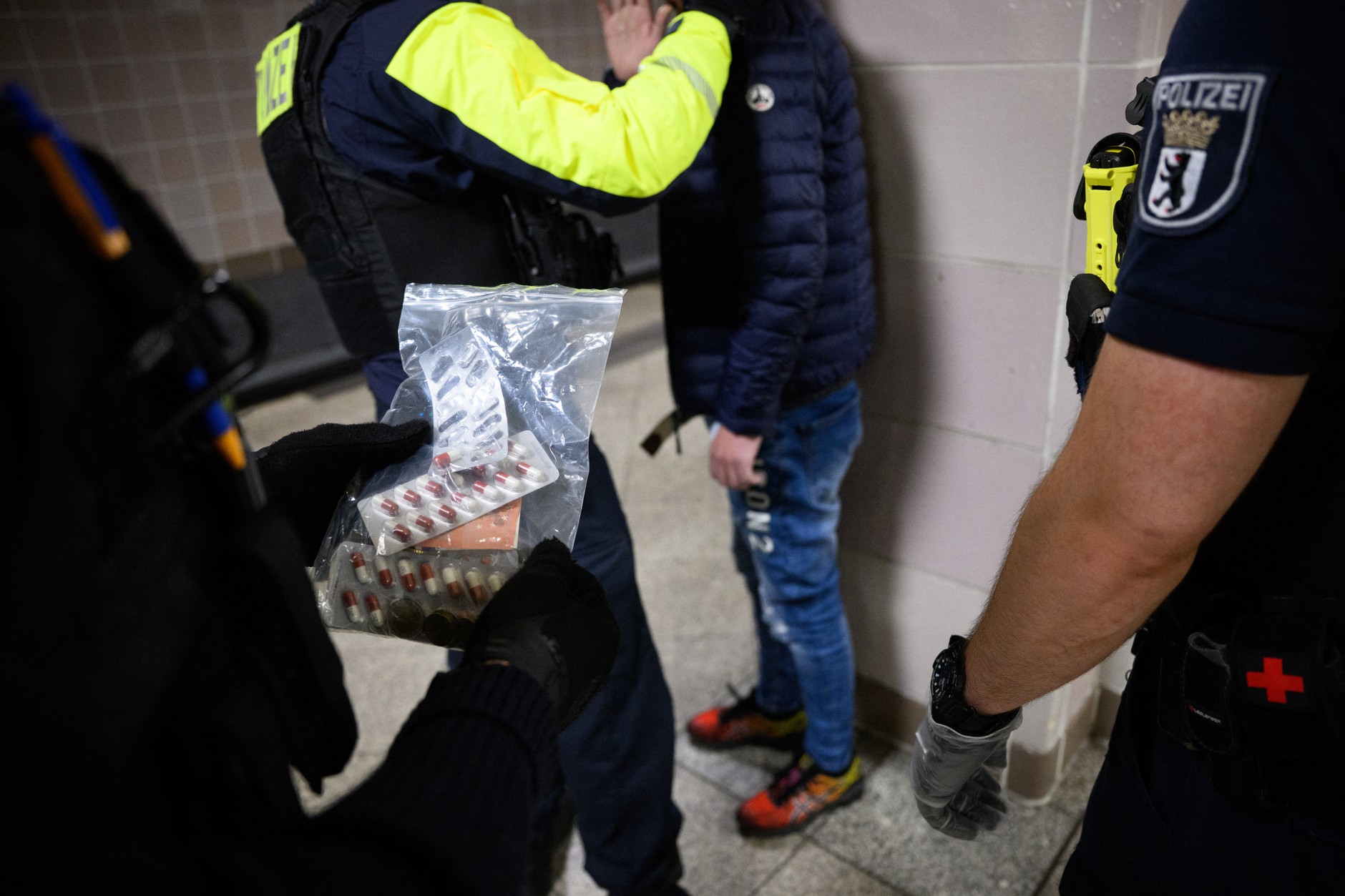
Police action in Berlin, October 10, 2025.BERN VON JUTRCZENKa / AFP
The darknet has become a thing for many groups a market where murder, drugs and data are traded like commodities. It goes something like this: the person pulling the strings, who usually has fled abroad and runs his (drug) business from there, orders a murder. A man from the “middle management” level prepares the attack: he orders a contact person to obtain a gun, orders another person to track the potential victim and rent a getaway car, and then looks for the shooter using encrypted messengers and “bulletin boards” in appropriate corners of the Internet.
A particular cause for concern for European security authorities is the growing exploitation of young peopleeasily influenced perpetrators who do dirty work for criminal groups. Other countries have long struggled with the phenomenon of “teenage killers”: in Sweden there are bloody battles for territory, and the perpetrators and victims are often minors. The Dutch Mocro mafia also uses young henchmen to blow up vending machines and drug crimes.
Need for action
The case in Hamburg showed how brutally this trend spreads in Germany. At the end of January this year, there was a shooting in the railway station district. The 15-year-old bomber came especially from the Netherlands. A masked teenager entered a cafe on Steindamm in Hamburg and fired two shots at a 49-year-old Chechen man. The bullets hit him in the legs, it was probably a warning.
The young assassin fled into the night. A group from the cafe gave chase, beat him brutally, and one of the men shot the 15-year-old twice in the thigh. Investigators are still wondering what exactly caused the conflict, and they assume it was about a fight for… distribution of influence in the environment. European police Europol is so concerned that it set up its own task force over the summer to stop the trend.
Drug crisis, intensifying fights over the division of influence and increasingly younger perpetrators: the Federal Minister of the Interior announced tougher state actions against smugglers, producers and dealers.
The Federal Criminal Office is to receive more staff in the future to fight rising crime. There are talks of hundreds of additional positions. According to Dobrindt, the authorities are determined to fend off a serious threat to “our children, our society and our rule of law.”