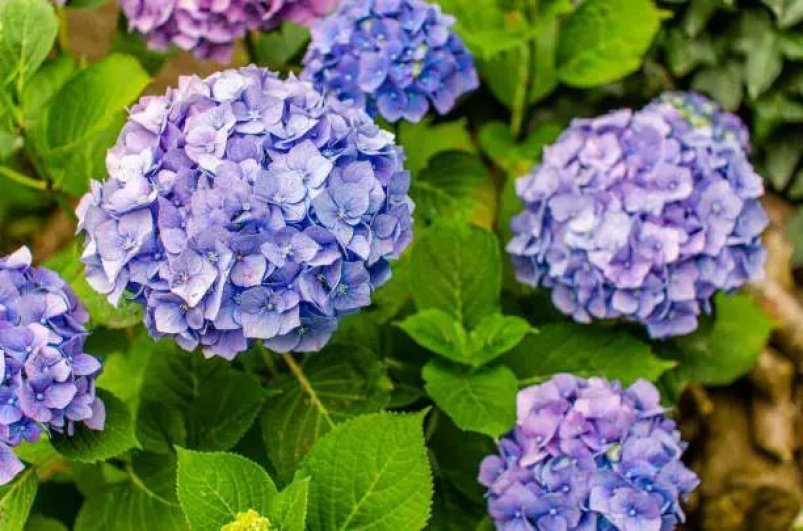
Hydrangeas are amazing plants that can change the color of their inflorescences depending on the acidity of the soil. This trick is known to many gardeners, but not everyone manages to achieve the pure, bright blue hue that turns an ordinary bush into the main decoration of the garden. The secret lies not in expensive fertilizers, but in properly acidifying the water for irrigation.
Most varieties of large-leaved hydrangea contain a special pigment – anthocyanin, which gives a blue color in an acidic environment. With a neutral or alkaline soil reaction, the same pigment appears in pink tones. To shift the balance in the right direction, it is enough to regularly use acidified water.
Preparation of the solution:
For irrigation use soft water – rain or settled water. For 10 liters of water add 2-3 tablespoons of citric acid or 100 ml of 9% table vinegar. Stir thoroughly until completely dissolved. It is important to follow the dosage – too concentrated a solution can damage the roots.
Irrigation technology:
Plants are watered with acidified water once every 7-10 days throughout the growing season. An adult bush uses 10-15 liters of solution. Watering is carried out in the morning or evening, avoiding moisture on the inflorescences. Between main waterings, the soil is mulched with pine litter or high-moor peat – this helps maintain a constant level of acidity.
Additional terms:
To fix the blue tint, aluminum sulfate is additionally added. 15-20 grams of powder are diluted in 10 liters of water and used once a month. Aluminum enhances blue pigmentation, and sulfur additionally acidifies the soil.
The first changes become noticeable after 2-3 weeks. First, the veins on the petals acquire a purple tint, then the color of the entire inflorescence gradually changes. The complete transformation may take up to two months. The technology works best on varieties with pink or purple initial color.
It's important to remember that white hydrangeas do not change color, but red hydrangeas can produce unexpected purple hues. To maintain the result, it is necessary to continue watering with acidified water throughout the season. If you stop the procedures, the plant will gradually return to its original color.