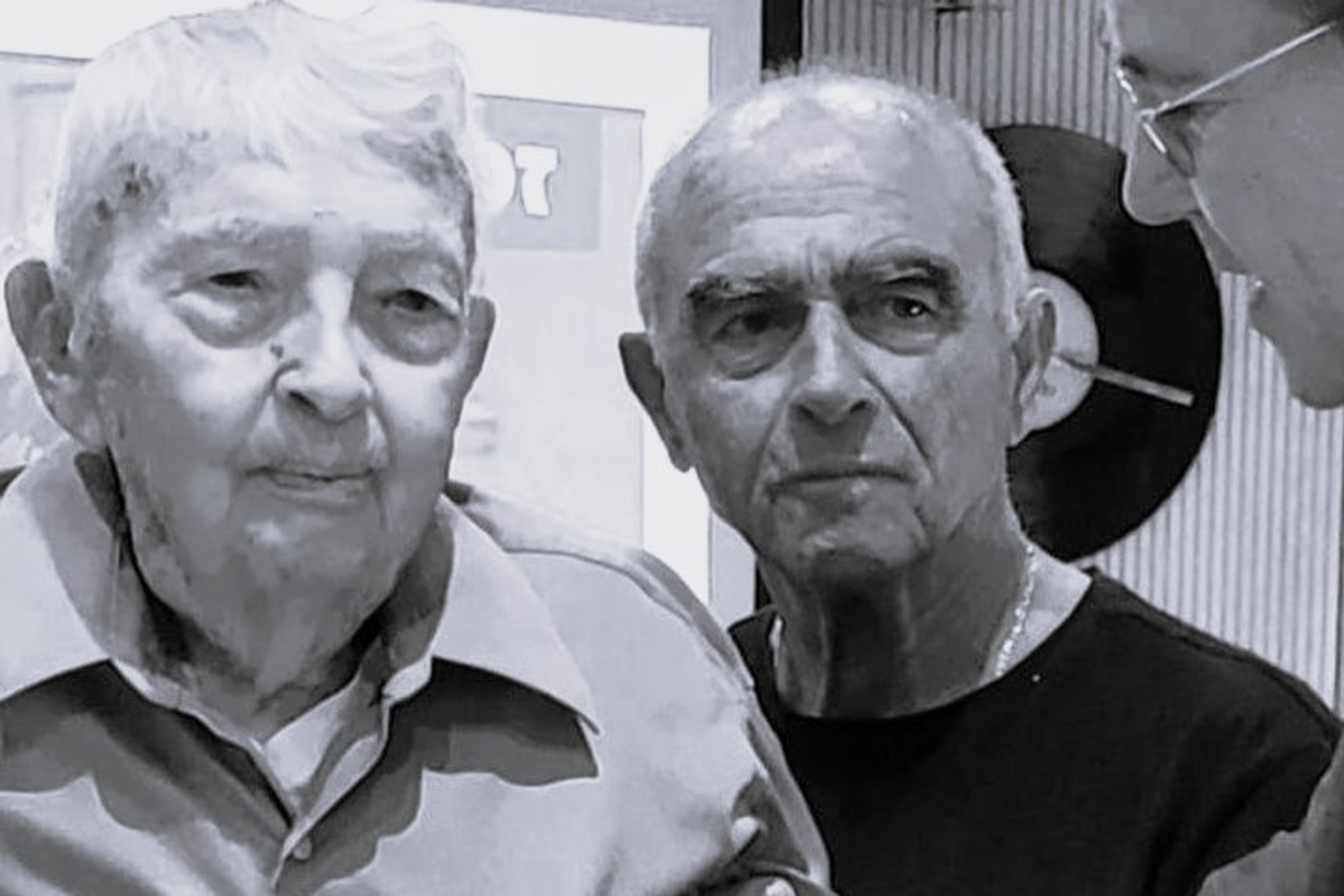
“We are saddened to learn that Michael Smuss, the last survivor of the Warsaw Ghetto Uprising, has died. He dedicated his life to Holocaust education” – wrote the German ambassador to Israel, Steffen Seibert, on social media platforms. A few weeks earlier, the diplomat awarded Smuss the highest German decoration – the Order of Merit.
The Jerusalem Yad Vashem Institute said that Smuss's funeral would take place on Friday.
Smuss was the last surviving insurgent of the Warsaw Ghetto – emphasized the Times of Israel website.
The man was born in 1926 in the Free City of Gdańsk. Later, the family moved to Łódź, and after the outbreak of World War II they ended up in the Warsaw Ghetto.
Smuss joined the resistance in the ghetto and was active in the Jewish Combat Organization led by Mordechai Anielewicz, Frank Steffens, a family member living in Germany, told the AP.
The article continues below the video
When did Michael Smuss die?
How long was Michael Smuss?
Where was his funeral?
What was Michael Smuss's life like after the war?
He was employed in a factory that repaired helmets for the German army and had access to chemicals needed to produce Molotov cocktails. Smuss stole these substances and gave them to the resistance movement, the AP noted.
— We filled bottles and then placed them on the roofs of all the houses at the entrance to the ghetto, hoping that when they would come [Niemcy]we will drop it on them – recalled Smuss himself in a recording for one of the American museums.
Smuss fought from the first day of the uprising on April 19, 1943, his family member Paul Diedrich told the AP. The insurgent who died on Tuesday was one of the few fighters who managed to survive less than a month of fighting.
Smuss survived the Warsaw Ghetto Uprising
Smuss belonged to a small group of surviving fighters who were not shot on the spot by the Germans, but were sent to the Treblinka extermination camp, it was written in an article devoted to him in the Jerusalem Post daily.
Ultimately, the man did not make it to Treblinka, he was turned back and sent to work because the Germans needed workers. Smuss was then transferred between subsequent camps, but he managed to survive until the end of the war. After that, he emigrated to the USA, where he started a family.
Later he moved to Israel, where he took up painting. He also talked about his life experiences as part of educational programs about the Holocaust.