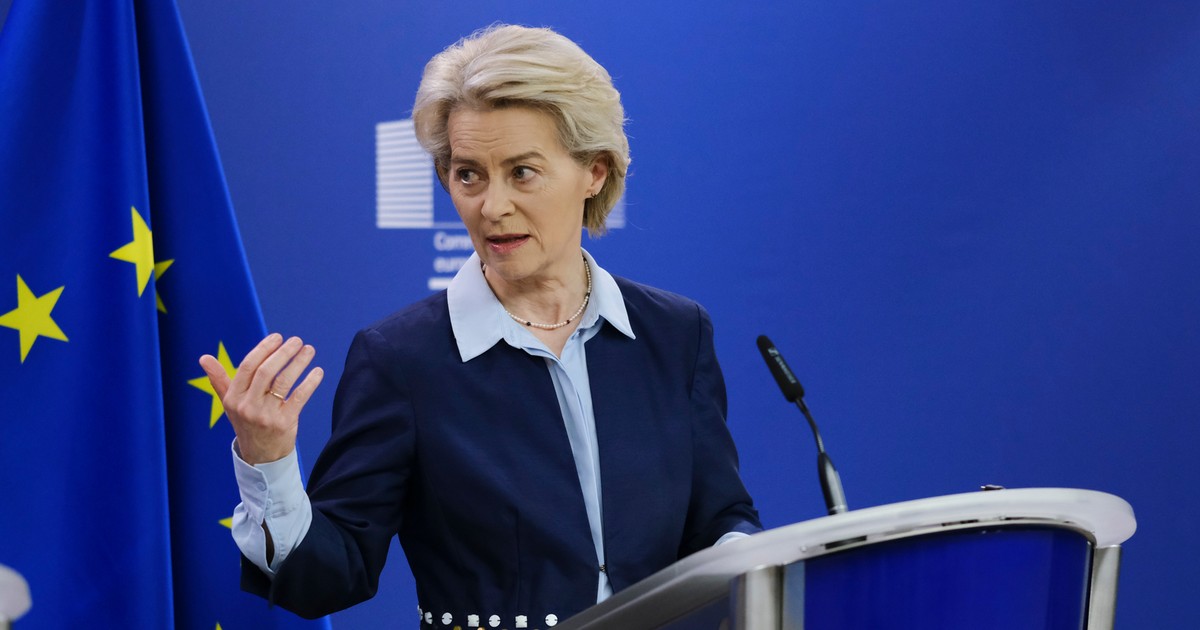
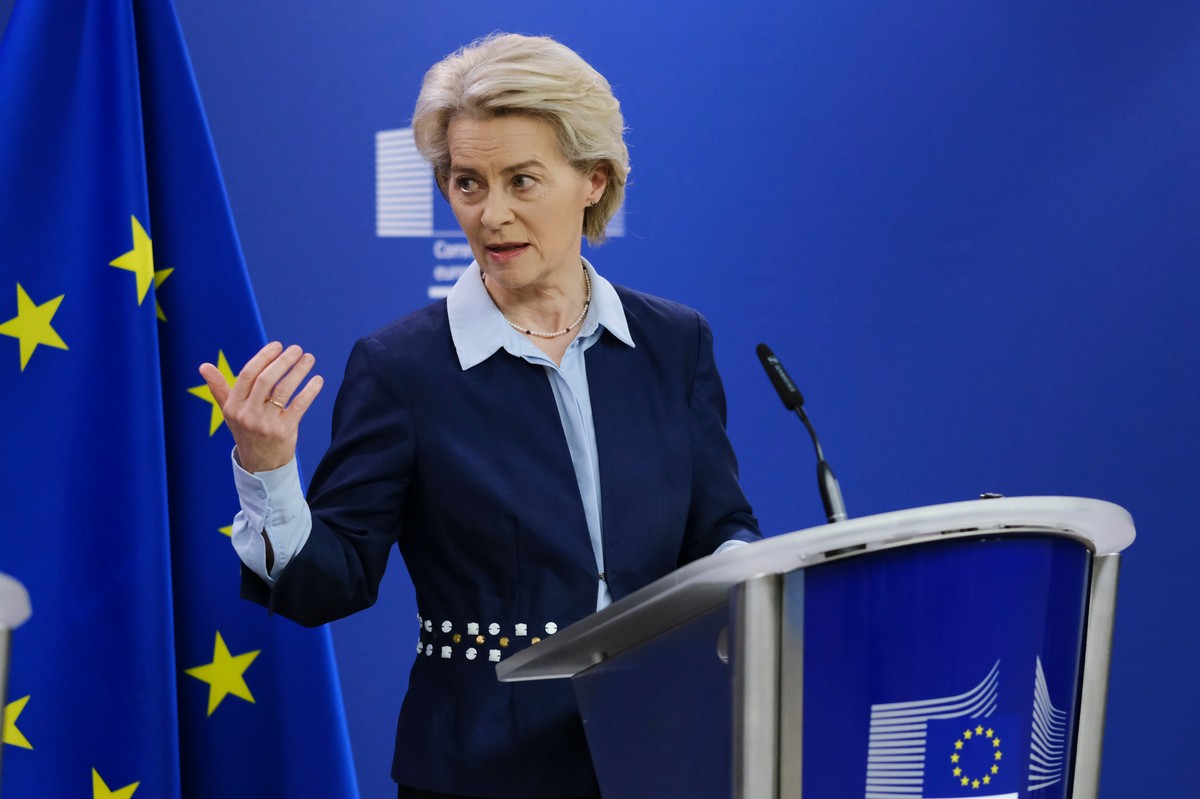
The budget, which is one of the most important EU financial tools, has become the subject of a sharp debate. Critics accuse the committee of a lack of transparency and insufficient consideration of social and climate priorities. Socialists and conservatives, although they differ in many issues, this time united their strength to put pressure on Ursula von der Leyen. At the same time, tension increases in the context of the vote of no confidence in the chairwoman of the committee.
Forecasts indicate that Ursula von der Leyen has a chance to keep her position during Thursday's vote on the vote of no confidence. According to Politico, despite the growing criticism, the numbers suggest that the chairwoman of the European Commission still enjoys sufficient support, mainly from the centro groups.
However, the voices of disapproval, especially on the right of the political scene, can affect the future of its leadership. Some MEPs emphasize that the current budget crisis is proof of lack of effectiveness in managing key EU issues.
Controversy around the ban on Islamic scarves in the European Parliament
In the meantime, the Swedish MEP Charlie Weimers initiated a petition regarding the ban on wearing Islamic scarves in the buildings of the European Parliament. A politician, representing a conservative wing, argues that his initiative aims to protect the secularity of EU institutions.
Weimers expressed the belief that his idea would meet with broad support. However, many other MEPs, including representatives of the left and liberals, described this proposal as sexist and Islamophobic. The petition caused turbulent discussions about the limits of religious freedom in the public space of the European Union.
Socialists and liberals contain a truce with von der Leyen
In the face of two key votes regarding her leadership, Ursula von der Leyen can count on the support of centric groups. Socialists and liberals, despite earlier tensions, decided to conclude a truce with the chairwoman of the European Commission.
This agreement aims to avoid destabilization in EU institutions, especially when the Union faces many challenges, such as the energy crisis or geopolitical tension. However, critics emphasize that such temporary alliances may not be enough to solve deeper problems related to von der Leyen leadership.