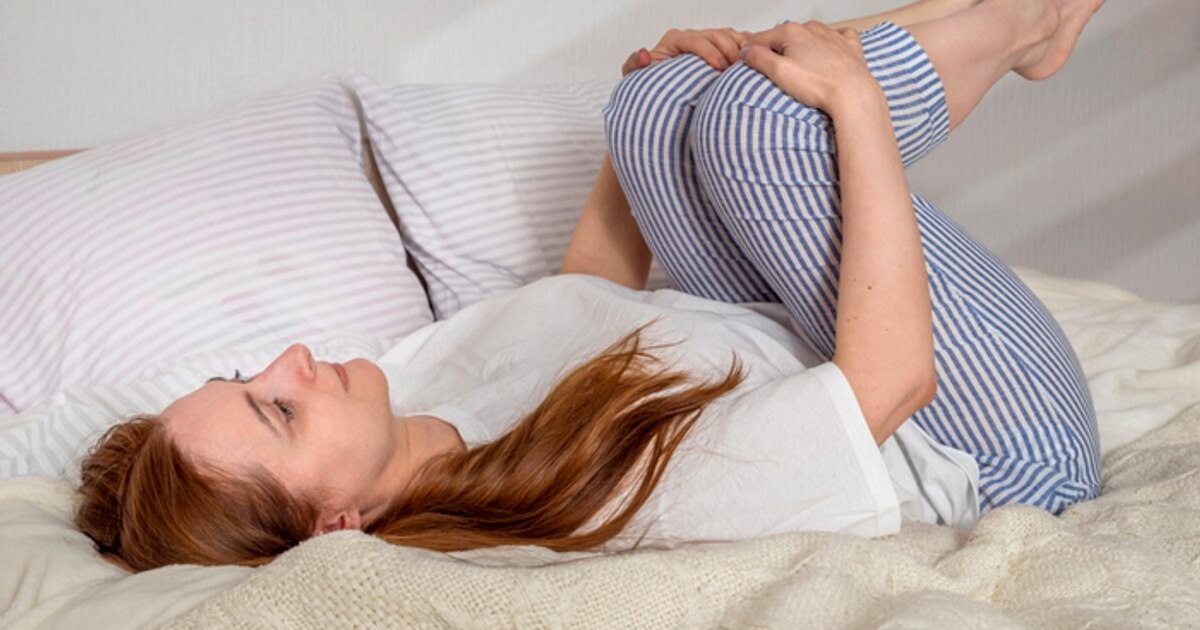
Most of us judge at night rest after the duration of sleep. However, studies confirm that the position in which you sleep also play a significant role in human health, especially for the stomach and heart.
Sleep position can affect the photo of the photo: Archive
The position of the body changes the trajectory of the acid in the esophagus, the way the lungs and the diaphragm and even the balance of the nervous system move. Small adjustments can bring benefits on comfort and health, according to Earth.
Professor Daniel Martin Simadibrate, from the University of Indonesia, studied why the position during sleep has a direct impact on the health of the heart and stomach.
Digestion and sleeping position
Gastroesophageal reflux disease (gerd) is aggravated when the stomach acid climbs into the esophagus. Sleeping on the left side, in the left lateral decubitus position, keeps the stomach under the esophagus, which reduces the probability of reflux.
The causality is harder to prove, but a 2023 study that used two Mendelian randomization samples identified certain intestinal taxes that had a causal connection with sleep features, including sleep duration and chronotype.
These discoveries support the idea that better sleep habits can improve the mixture of microbes that support the health of the intestine.
Work in shifts disrupts the circadian rhythm, and the stomach is sensitive to this clock. A 2024 analysis found that five out of eight studies have reported a higher risk of peptic ulcer in shifts, some studies showing a prevalence of more than twice as much as day workers.
The authors also requested practical solutions at work, such as more stable programs and better meal hours, to reduce the risk. This advice fits well with personal sleep hygiene.
Heart health and sleep positions
For people with heart failure, the left side can be uncomfortable due to the pressure exerted by the tip of the heart increased and which beats strongly.
A classic 2001 study found that patients with heart failure spent approximately twice as long on the right side than on the left or back, and the right side normalizes the autonomous nervous system.
Sleeping on one side also tends to reduce snoring. Sleeping on the back can aggravate respiratory disorders during sleep, which requires the heart over time.
If you suffer from a heart disease or have an implanted device, ask the doctor what is the most appropriate.
Many people without heart or pulmonary disorders feel good on the left side for reflux and any of the parts for breathing. If you suffer from positioning apnea, your sleep specialist may advise you to sleep more on one side.
Practical ways to sleep smarter
If the reflux wakes you up, sleep on the left side and take the dinner at least three hours before bedtime. Use a pillow to support your neck and hips so that the spine remains in a neutral position.
If heart failure makes the left side uncomfortable, the right side is a reasonable choice.
Keep the dark, quiet and cool room and follow a constant program to help biological clock guide healthy digestion and cardiovascular rhythms.