Interview a Romanian F-16 pilot explains why the radars on the planes cannot always be a drone

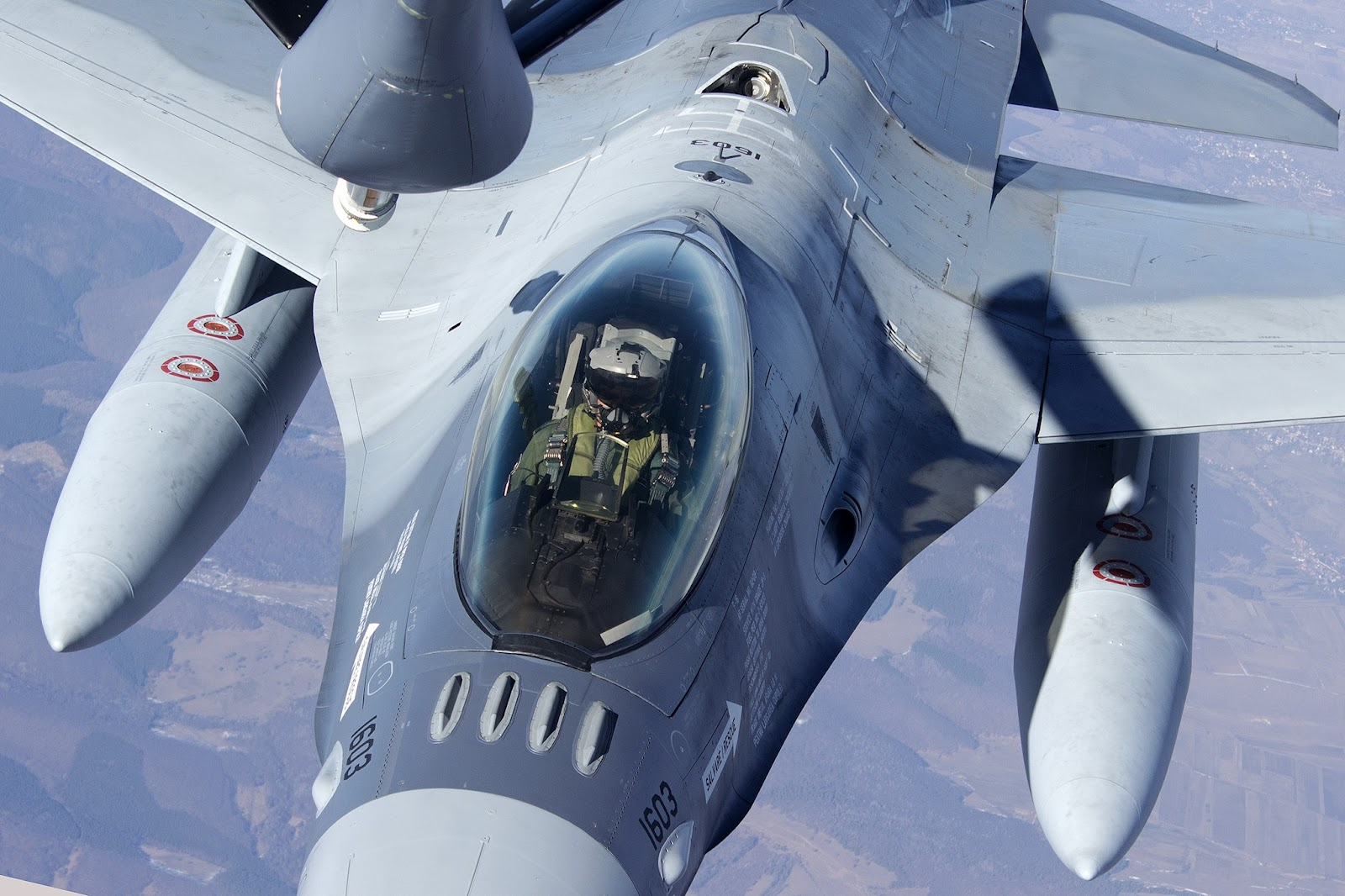
From the moment when the air forces receive the alert that Russian drones are going to the border with Romania, F-16 hunting planes take off at most a quarter of an hour to the area where they will seek to detect and watch the target drones, says in an interview for the public Hotnews, the pilot of such an airplane. If necessary I can break them as it did Poland On Wednesday, says the Romanian pilot, who explains how the missions of interception of the Russian drones take place.
Currently, most drones launched by Russia to Ukraine are sent to attack the port infrastructure from the Danube. Most of the times, Russian drones are spotted above the Black Sea from several tens of kilometers offshore, in the area of the snakes or even further, as military sources for HotNews.ro have explained.
For example, on the night of September 5, a group of air drones was spotted at 36 nautical miles (66 km) northeast of Sulina. Early detection allows the Romanian army to take preventive measures in a timely manner.
Block-block
Once they have detected the drones and follow them, the Romanian forces have the procedure to raise from the ground fighter jets-either Romanian F-16 or aircraft of NATO partners who come by rotation in our country. To do this, at any time of the day, some aircraft should be in the Start block, ready to take off anytime.
The decision of a “scramble” – the take -off take -off of the planes prepared by combat missions – comes from Spain, from the NATO Center in Torrejon, the one responsible for the aircraft in this part of Europe. From the time of the alert until the airplanes are in the air, no more than 15 minutes, as explains, for the public Hotnews, the pilot of a F-16 aircraft, who, for “operational reasons”, wanted to remain anonymous.
“We are always on alert, in QRA (No Quick Reaction Allert), 24 hours a day. When the order from Torrejon comes to be done scramble And I took off immediately. In 10-15 minutes we are in the air, ”says the F-16 pilot who carried out missions and from Borcea (Fetești), and from the air base from Mihail Kogălniceanu (MK).
Not all the time drones are spotted by radar on airplanes
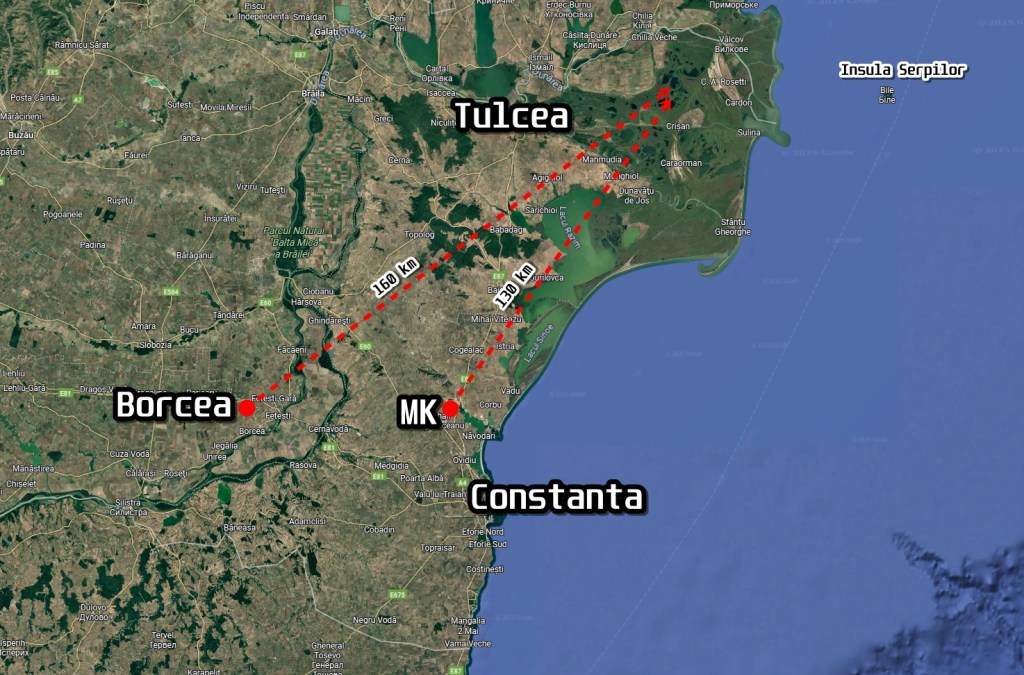
“Whether we take off from Mihail Kogălniceanu or from Borcea, we arrive very quickly in the Delta area. From Borcea we do about 7-8 minutes to the Delta, Subsonic. From Kogălniceanu we arrive even faster.
It explains that not always the drones are spotted by the radar on the planes, but they are monitored by the radar systems from the ground, and the information is shared.
The radars on board are much smaller and have a “window” and a lower sensitivity to detect as small targets as Shahed-136 type drones, drones made of non-metallic materials and with very small radar reflection surfaces. In addition, drones often fly very low and very slowly and are harder to discover.
„P.we utem at any time to break them up if the order comes“
“We receive the situation from the ground, from the radar, we know where they are, we know what we are looking for, we try to spot them through our radars. Not all the time we see, or we do not spot them on the radar, or they have already fallen or have been shot down,” says the Romanian pilot.
“The attacks take place at night, so visually it is harder to spot them, but it can also help us. When we find them and follow them we can at any time bring them if the order comes, without problems,” says the hunting pilot.
It mentions, however, that in most missions so far the drones pursued on the radar have not entered the national airspace.
Regarding the situation in Poland, where Polish and F-16 Dutch aircraft broke down Russian drones that entered the Polish airspace, the Romanian pilot claims that the procedure can be replicated by us:
“They also use the same procedures as we do. What the Polish pilots did, so are we prepared and equipped to do it.”
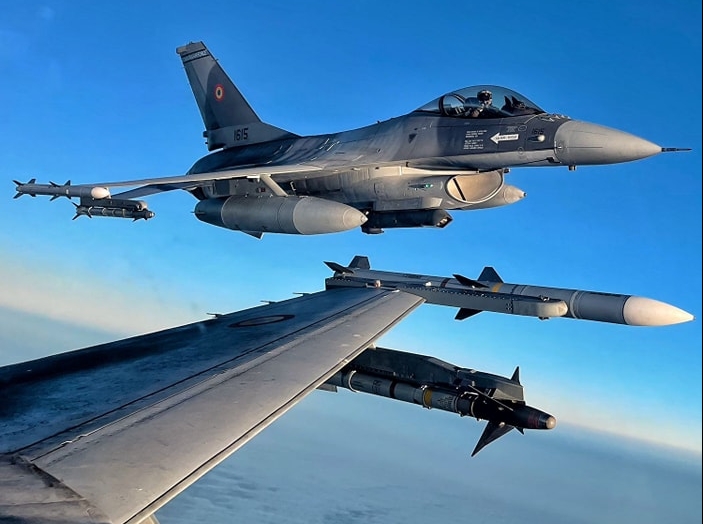
Romanian F-16 aircraft with AIM-120 amraam and AIM-9X missiles / source: Air Force
“It's not something you could do before with MIG 21”
Russia began attacking Kamikaze Donets Ukrainian ports in the Danube in September 2023. A few months earlier, Romania made the decision to give up the MIG-21 Lancer hunting planes and to rely only on F-16 aircraft. Now, two years later, Romania operates 38 F-16 aircraft and until the end of 2025 or the beginning of 2026 should have 49 such devices, three complete squadrs.
The decision to give up Migs and to concentrate the air police and interception missions only on the F-16 aircraft and the planes of the allies coming with aircraft by rotation was a good one, coming at the right time, believes the pilot interviewed by HotNews.ro
“If you see, these missions take place at night and it takes something. We take off at 11, 12 and we stay in the air for at least a few hours, it's not something you could do with MIG 21,” he explains.
For example, on the night of July 20 to 21, around 03.00, the Radar Surveillance systems of the army detected 12 air targets north of the border with Romania, near the Maramureș – Suceava area.
Two Romanian F-16 aircraft took off from the Borcea 86 Air Base, flew about 400 kilometers to the north, patrol to the area and then returned to the base only at 06.00, practically crossing the country from the north to the south.
Beyond the better autonomy of F-16 aircraft, the Romanian pilot also says that the systems and weapons make the difference.
“The radar on the F 16 is better, the armament systems are more efficient. And we, and the planes of the allies we do these missions, are ready to break any target if the order comes. We speak the same language, so to speak. Our procedures are almost the same, it does not matter that we have different planes.
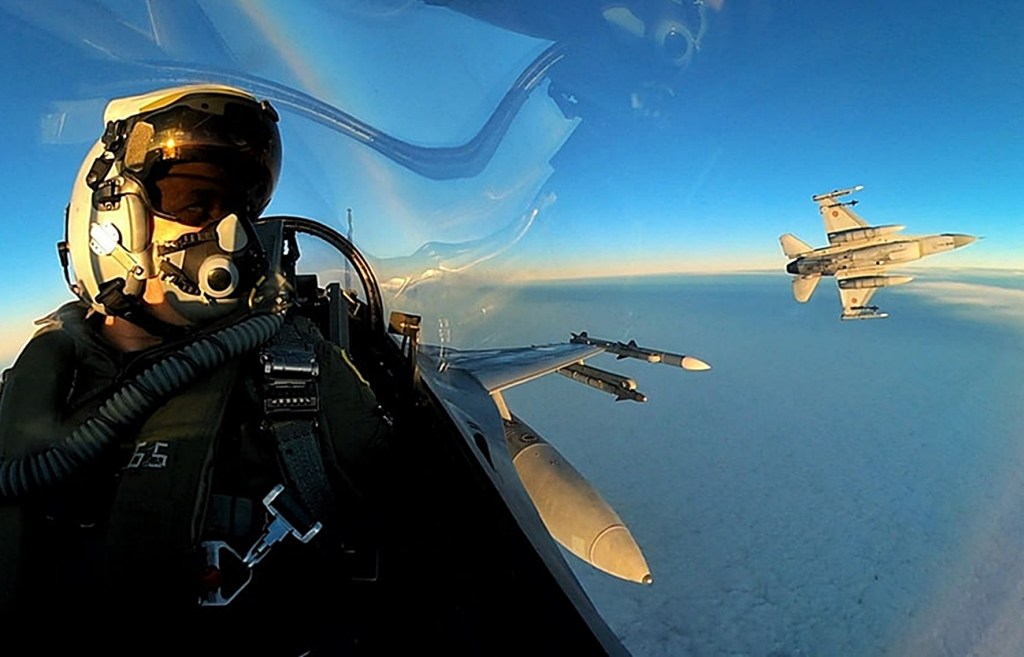 How Romania detects Russian drones and what they can bring them down. What has changed in the army in recent years to cope with these attacks