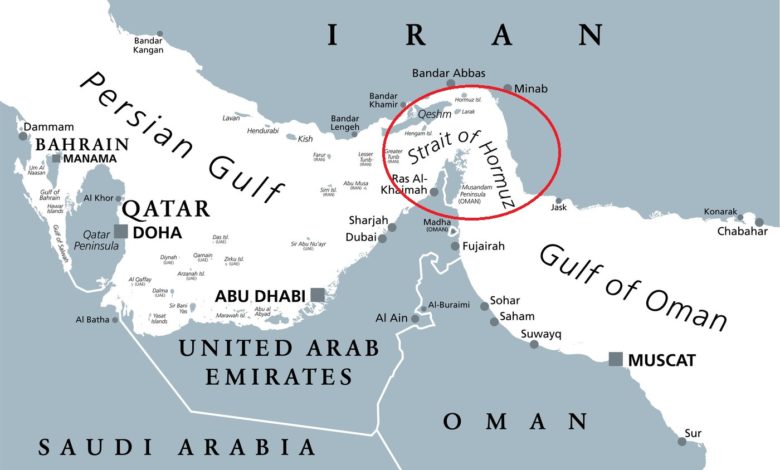
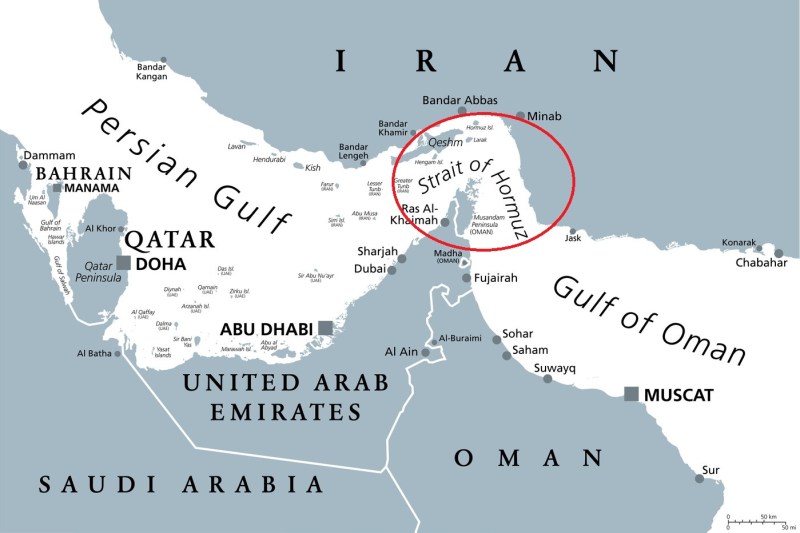
The Strait Ormuz. Credit Line: Peter Hermes Furian / Alamy / Profimedia
The rental price of a very high crude oil carrier – capable of transporting 2 million oil barrels to China increased from $ 19,998 a day last Wednesday, before the attack of Israel, to $ 47,609 on Wednesday this week, according to the figures from Clarksons Research, quoted by Financial Times.
The shipowners refrain, and the owners expect “even higher winnings” from increasing rental rates, said Joakim Hannisdahl, founder of Gersem Asset Management, a speculative funding administrator for maritime transport.
The rates for renting a large oil transporting oil products from Golf to China, increased from $ 21,097 a day on Wednesday to $ 51,879, according to Clarksons.
Richard Fulford-Smith, who runs Eden Ocean, an investment firm, said the feeling was partially affected by Iran's ability to maintain his crude oil during conflict.
Because Iran is under international sanctions, all its exports travel with the so-called “black fleet” of ships that operate outside the normal international rules regarding insurance and security certification. However, there are speculation on the market that some customers choose to buy from other oil exporting countries that use ordinary, legitimate vessels, which leads to increased rental rates.
“If you completely eliminate Iranian vessels, you will need more ships for transport,” said Fulford-Smith.
Lars Barstad, the executive director of Frontline, the oil operator mostly listed worldwide, told the Financial Times last week that Iran is expected to determine a move to purchases from other Golf exporters and the removal from the black fleet.
However, Stephen Gordon, the general manager of Clarksons Research, based in London, said there are no indications that Israeli attacks would have affected Iran's ability to export oil.
“The oil transport rates on the routes from the Middle East have grown suddenly in recent days, some owners wanting to avoid the region or demand higher risk bonuses to operate in the area,” said Gordon. “However, the oil flows in the region continued.”
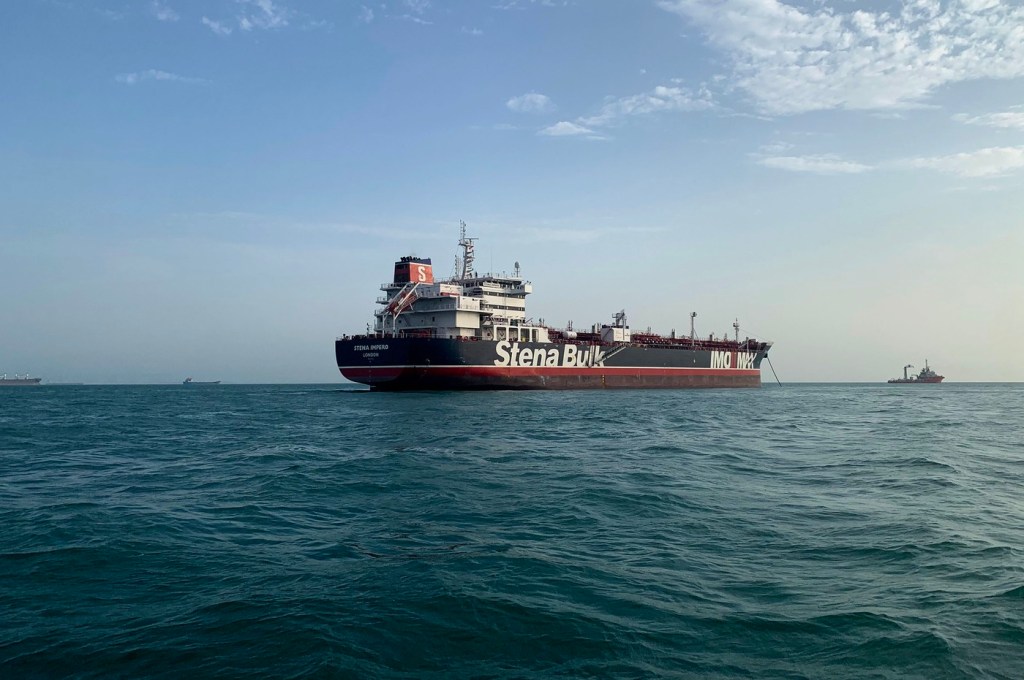
The dangers of using the straits were emphasized on Tuesday, when the Front Eagle ship of Frontline, on a journey outside the bay, collided with a dark oil, immediately after leaving the strategic waterway. There were no victims.