How expensive is life in Austria? GSP report from the country in the top of the European Union as a purchasing power, where there is no minimum wage

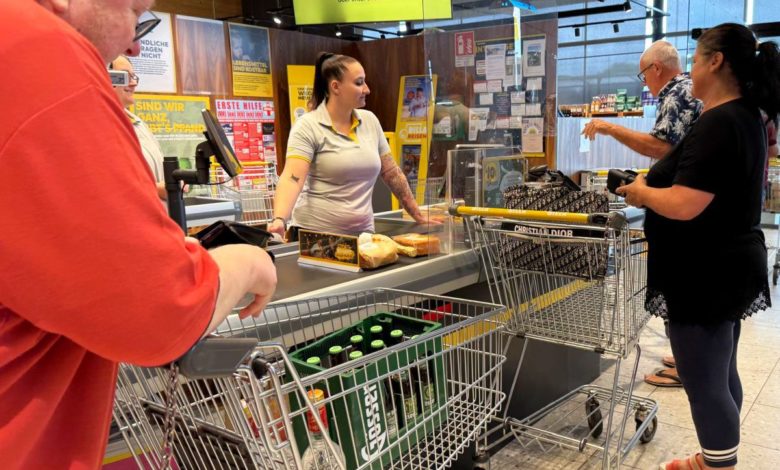
GSP.ro team has arrived in Austria And he compared the prices in the shops here with the home. All products are more expensive than those in Romania ♦ Austria has a higher purchasing power than Romania, up to two to three times higher, depending on the city.
Austria became the Romanian “territory” on May 29, when the Under 21 national team arrived in Bad Loipersdorf. It will stay here until June 9, when it will leave for Slovakia, the place of dispute of the final tournament.
Starting with June 5, in Vienna, the national team led by Mircea Lucescu, who will land in the Austrian capital for the match in the World Championship preliminaries.

GSP report: In Austria there is no monthly minimum wage
But until we get to football, we ran through the big cities in Austria. Where there is a real madness, traffic is similar to the one in Bucharest, and shops, supermarkets or weekend markets are full every time.
Lately, the stores have started to introduce quick houses in Austria to facilitate faster access to the payment of the final basket.
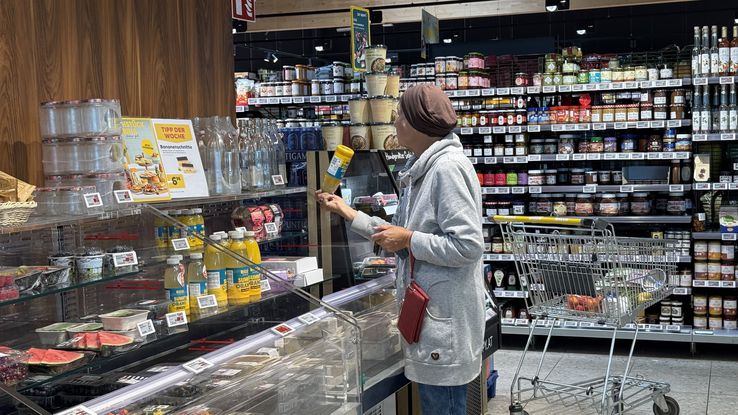
According to Eurostat, the minimum monthly gross wage in the European Union varies from 551 euros in Bulgaria to 2,638 in Luxembourg.
For example, Austria is among the five EU countries that do not have a monthly minimum wage. According to the figures, the average income would be at a value of 1,700 euros while Romania is reported with 814 euros. Our country is in the European group with the lowest salaries.
3.7% of Austria's population lives in absolute poverty
Statistics published by several studies show that in Austria there are 336,000 people living in absolute poverty.
This means that 3.7% of the population cannot afford the basic expenses of daily life, according to the minimum standards defined by the European Union. By comparison, in Romania the percentage is 6.8 percent.
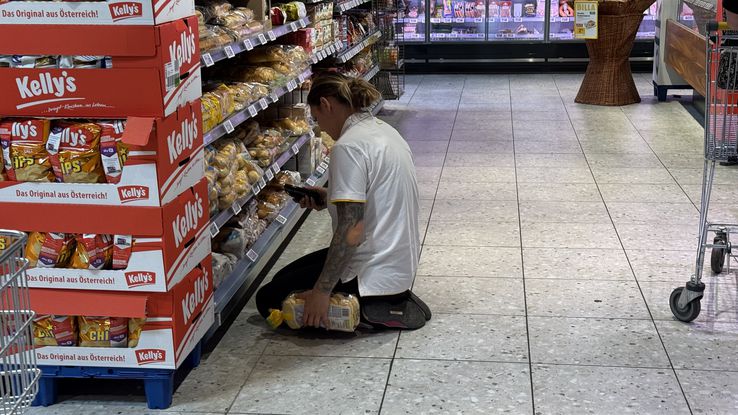
Huge purchasing power compared to Romania
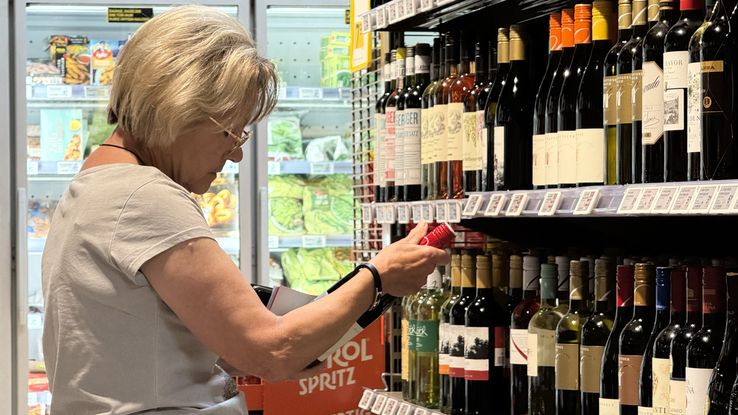
Compared to the products in Romania, everything is more expensive! But we cannot even compare ourselves with the purchasing power of the Austrians.
In 2024, for example, the purchasing power per capita in Austria was 29,266 euros, sitting in the 6th place in the European standings. The first country in the top was Liechtenstein, with 70,180 euros.
In Romania, it is just over 9,000 euros per capita, representing 48% of the European average, and which places our country on the 33rd place of the 42 states included.
From all the existing financial reports it is clear that Austria is in the top of the European countries with high purchasing power, exceeding the European average by over 50%.
While Romania, although it has made progress, remains below the European average.
Overall: the cost of life in Austria is 75.7% higher than in Romania
According to all existing financial analyzes, including Eurostat, the cost of life in Austria is 75.7% higher than in Romania. And here the rent does not come into account,
The cost of life, including rent, in Austria is 83.8% higher than in Romania. Rents in Austria are 119.8% higher than in our country.
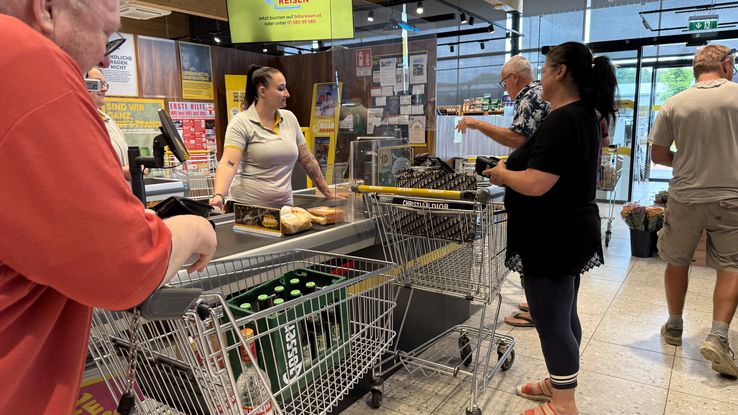
The prices charged by the restaurants in Austria are 56.9% higher than in Romania, and the cost of food is 83.1% higher.
Price comparison Romania vs. Austria
|
ROMANIA |
AUSTRIA |
|
|
Cheap restaurant table |
50 lei |
75 lei |
|
McDonald's menu |
35 |
50 |
|
Coca cola |
7 |
16 |
|
Still water |
5 |
13 |
|
Milk |
6 |
8 |
|
Rice |
8 |
12 |
|
Eggs |
15 |
21 |
|
apples |
3 |
12 |
|
BANANAS |
7 |
11 |
|
Oranges |
7 |
15 |
|
Red |
10 |
20 |
|
Potatoes |
4 |
9 |
|
Bus ticket |
3.5 |
13 |
|
Monthly bus subscription |
100 |
260 |
|
Taxi 1 km |
3.5 |
10 |
|
Benzine |
7 |
8 |
|
Local beer |
5 |
8 |
|
Cigarettes |
27 |
45 |
Vienna catches the top 10 of the happiest cities in Europe
The Institute for the quality of life has made a top of the happiest cities in Europe. Several factors have been taken into account, starting from the happiness of citizens that they live there, access to education, inclusive policies, economy, mobility, environmental protection.
Copenhagen is the happiest city in the world from the perspective of its citizens. In the second place in Europe is Zurich, then Aarhus (Denmark), Antwerp (Belgium) and Stockholm (Norway).
Munich is the next on the list of happy cities in Europe. Rotterdam, Vienna, Paris and Helsinki close the ranking.
The same as in Germany, Sunday is closed everything
If last year's European, all stores were closed on Sunday, the same thing happens in Austria. No neighborhood or supermarket store is open on Sunday, but only bakeries, pastures, restaurants and pubs.
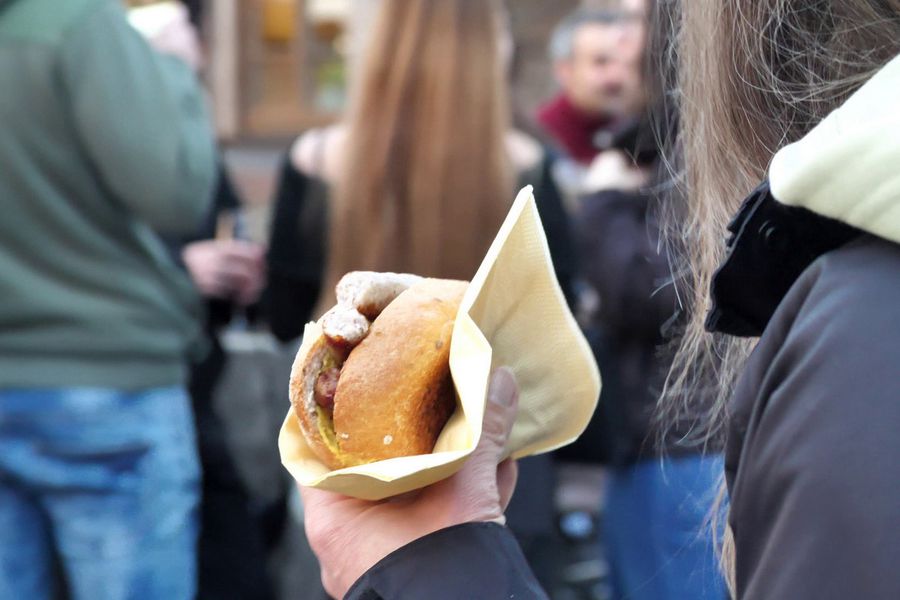
Romanians can buy all kinds of petrol products, but also from some small stores in the stations or can call on Turkish and Lebanese restaurants, which are open in all Austrian cities.