
Recycling instead of China. Europe is looking for its own sources of critical raw materials

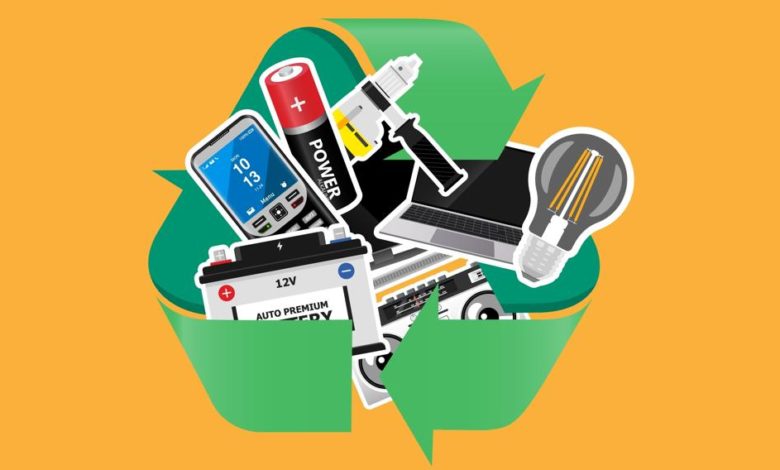
According to the act on critical raw materials, the EU authorities strive to increase independence in terms of their supply from China and other third countries. By 2030, no more than 65 percent will come from external sources. annual consumption of each of the raw materials. In turn, 25 percent It is to come from recycling. – These goals are not broad, because recycling is a relatively young part of the economy, so legislation that imposes these levels of recovery and recycling is one thing, and the reality is another – says Paweł Jarski, president of the Management Board of Primeristal Holding. He emphasizes, however, that Europe has great potential in increasing recovery and processing of valuable raw materials.
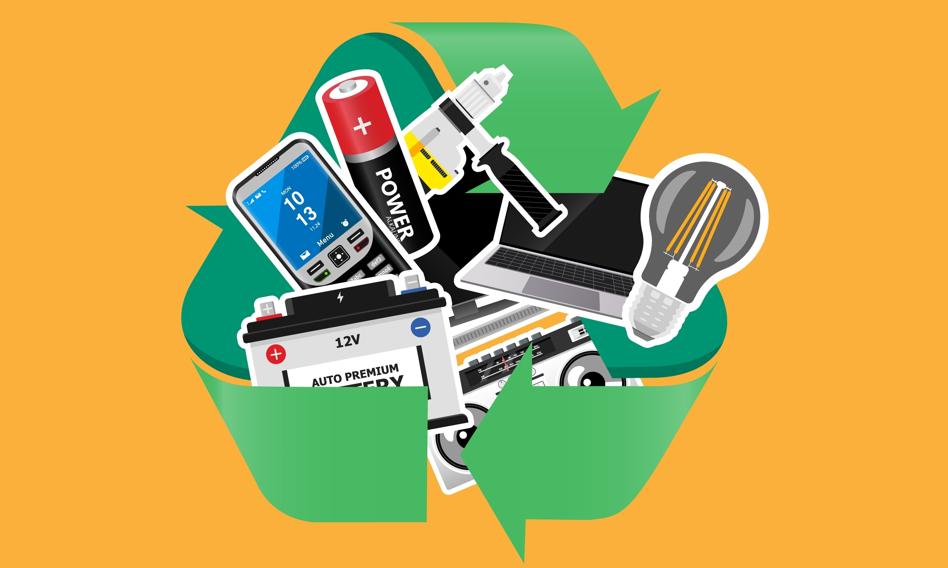
– Speaking of realities, I mean the life cycle of products, which – especially in the case of electronics – is shortened. Increasingly, we replace laptops, telephones, cells, there are more and more and it is in arrears. This is the so -called Metal stockpiling. If we skillfully reach for this and do it efficiently, without hesitation, investments in this area, what my company is trying to do, I think that we can secure a very significant source from this source – I would not like to throw numbers here – but a good several dozen percent of Europe's demand for these raw materials – says Newseria Biznes Paweł Jarski. – This is the safest form, on the occasion of ecological and effective, securing these critical raw materials, which the Union just seems to me, defined and saw at a good pace.
Critical raw materials are raw materials of great economic importance for the EU – they are used, among others in batteries, solar panels, electronics or other clean technologies. Some of them are crucial for the space and defense sectors. Due to the growing demand for these products and technologies, Union expects an increase in the demand for critical raw materials. Their supply, however, is subject to the risk of interference due to the concentration of sources and the lack of good, affordable substitutes. The EU acquires a number of critical raw materials from China, e.g. barite (45 percent), bismut (65 percent), German (45 %) or Wolfram (32 percent). In turn, Türkiye provides the Union of 98 percent Boru, South Africa – 71 percent platinum, and Congo – 35 percent tantal.
EU institutions are aware that The European Union will never be self -sufficientHowever, they want to do everything to diversify deliveries. So they adopted an act on critical raw materials (CRMA), which came into force in May last year. And which aim is not only to diversify the sources of supply, but also to strengthen the closed circulation and support research and innovation.
– Our company is globally a leader in the platinum sector, i.e. I mean metals such as platinum, palladium and ROD, there are also so -called Minor Metals, e.g. Ruthen. Europe stands very strongly here as a whole – says the President of the Management Board of Elemental Holding, a company that regains platinum from car catalysts and raw materials from batteries used in electromobility. – In the area of precious metals, which are necessary for electronics, I also think that European companies are very good against the world's background, maybe with a slight advantage of Asian companies, but certainly against the background of the states we are a much better player in the recovery of these metals. In the field of the most popular metals, i.e. Battery Metals, only China really exists in recycling and refining. The rest is at the level of more or less advanced R&D and all projects that are in the United States and Europe have recently been suspended or suspended, so here is a lot to catch up.
As the expert emphasizes, resources for the development of these projects are because in Europe there are more and more electric cars, i.e. also batteries from which raw materials can be obtained.
– On the other hand, we don't look bad from the security side, so just what is the most important at the moment is quick decision making – says Paweł Jarski.
CRMA assumes that in order to reduce dependence on third countries in terms of access to critical raw materials, by 2030 at least 10 percent. annual consumption of a given raw material is to come from extraction in the EUat least 40 percent It is to come from EU processing, and at least 25 percent. – from internal recycling. Importantly, no more than 65 percent will come from one external source. annual consumption in the Union of each of the strategic raw materials.
From May last year The European Council for Critical Raw Mountains began to operate – a new body at the EC, which is to play a leading role in implementing new politics, supporting the Commission in the selection and implementation of strategic projects, in the exchange of information on the procedures for issuing permits and initiatives regarding closed circulation and in facilitating international cooperation and strategic partnerships regarding raw materials.
The Polvolt project implemented by Elemental Battery Metals was on the list of 47 European initiatives. It assumes the creation of innovative recycling of lithium-ion batteries with the recovery installation of critical raw materials. Metal salts such as nickel, cobalt, manganese, iron and lit. They will be obtained from the black mass recovered from used batteries and production waste from batteries producing plants. In addition, the plant will also produce class A electrolytic copper, which is necessary, among others for the production of copper foil used in lithium-ion batteries. For strategic projects, CRMA provides for a quick path of issuing administrative decisions necessary for the implementation of the project, assuming to obtain them within 12 months.
– The Polvolt project is a two -phase project. In the first part we will build a copper part, which will consist of recycling and refining and two precious metals: gold and silver. The second part – battery – will consist in the extraction and refining of the black mass of metals of the Nikiel, Lit and Cobalt metal. I think that the construction time of the first phase is about three or four years and the second – five or six years – says President Elemental Holding. – It seems to me that this will be the largest Polish Greenfield investment in this area, if not the largest at all, so for the company it will be a great financial and human effort to carry out this investment in the next six or seven years. From 2020 to the end of 2030, the company will invest almost $ 1 billion in Poland, with financing costs it will probably be more and we will want to be a leader in Europe when it comes to this battery part.


