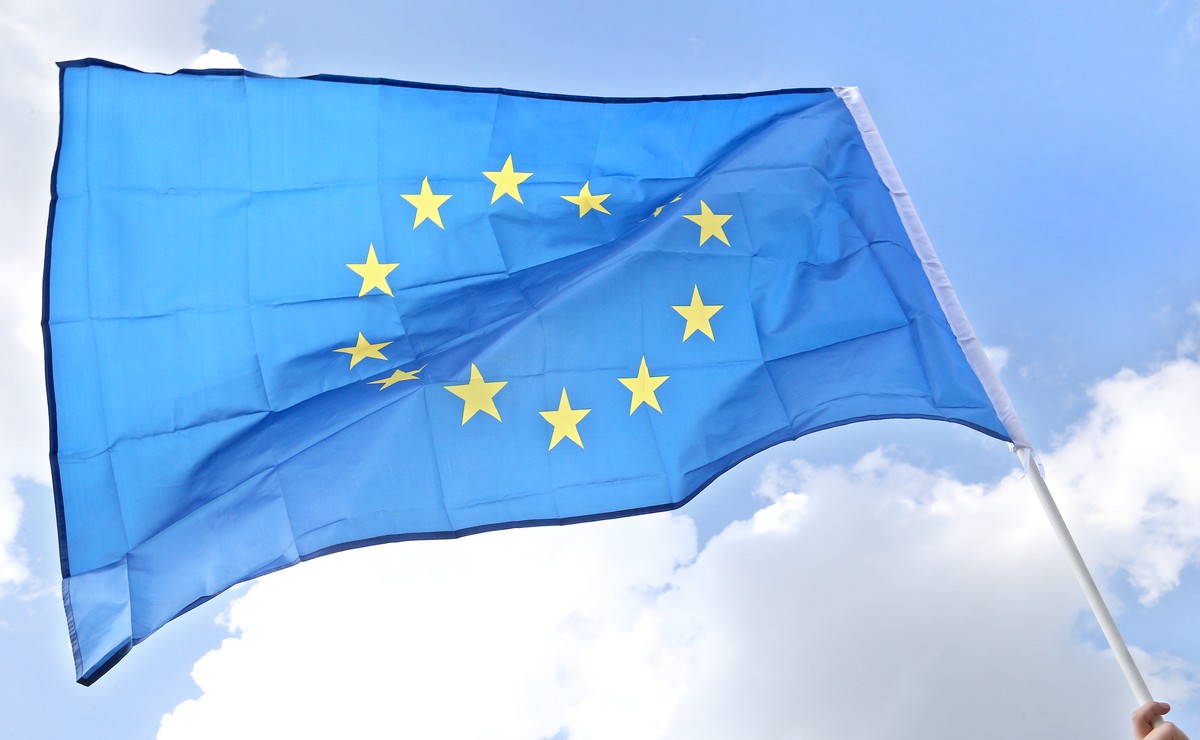
52 percent EU citizens declare confidence in the community – this is the highest result since 2007. Young people aged 15–24 are the most trusting, of which as many as 59 percent. positively assesses the EU. Similar results were recorded in the case of trust in the European Commission – 52 percent; Among the young is 57 percent. For comparison, trust in national governments and parliaments is lower and amounts to 36 percent, respectively. and 37 percent
In addition, 75 percent Europeans are considered union citizens, which is the highest result in over two decades. Over 60 percent respondents are also optimistic about the future of the community.
Support for the euro reached the level of 74 percent. throughout the EU and 83 percent in the euro countries – These are the best results in the history of research. Opinions on Europe's economic condition are divided – 44 percent. He assesses it as good, and 48 percent as bad. 69 percent respondents believe that the Union is a mainstay of stability in a restless world. 81 percent He supports a common defense and security policy – this is the highest result since 2004.
Most citizens also express the opinion that international cooperation should be based on principles, and increasing duties is harmful to the global economy. In the case of tariff increases by other countries, 80 percent respondents are in favor of the EU response in the form of their own defensive duties.
Respondents indicate that EU funds should be intended primarily for defense and security (43 percent), as well as employment, social affairs and public health (42 percent). Investments in education, culture and media (34 percent) are also of great importance.
In the context of future activities, the most important are security and defense issues (39 percent), economy (29 %), migration and climate (24 % each).
In the face of the ongoing Russian invasion of Ukraine, 80 percent Europeans agree to receive refugees from this country. In addition, 76 percent supports financial and humanitarian aid for Ukraine, and 72 percent He accepts economic sanctions against Russia. 60 percent declare support for the status of a candidate for the EU candidate to Ukraine. respondents, and 59 percent He supports the supply of weapons for the Ukrainian army.
Russian aggression remains the most important problem according to 27 percent. respondents, and as much as 77 percent He considers it a threat to EU safety.