New shifts of fires between the troops of India and those of Pakistan. Bigger tensions after Kashmir's attack

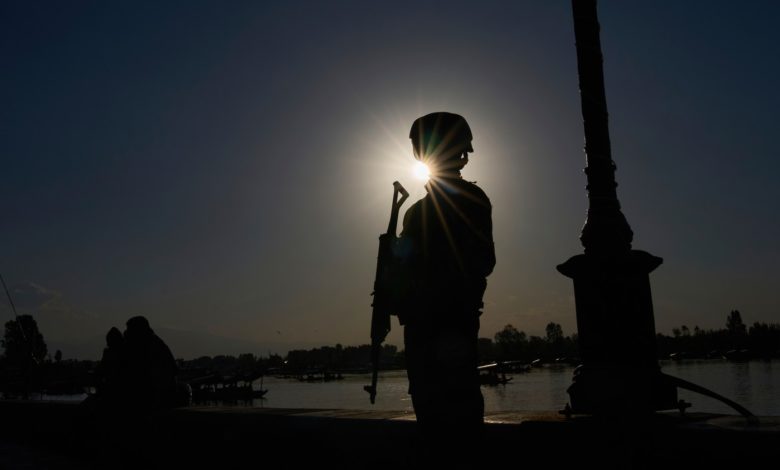
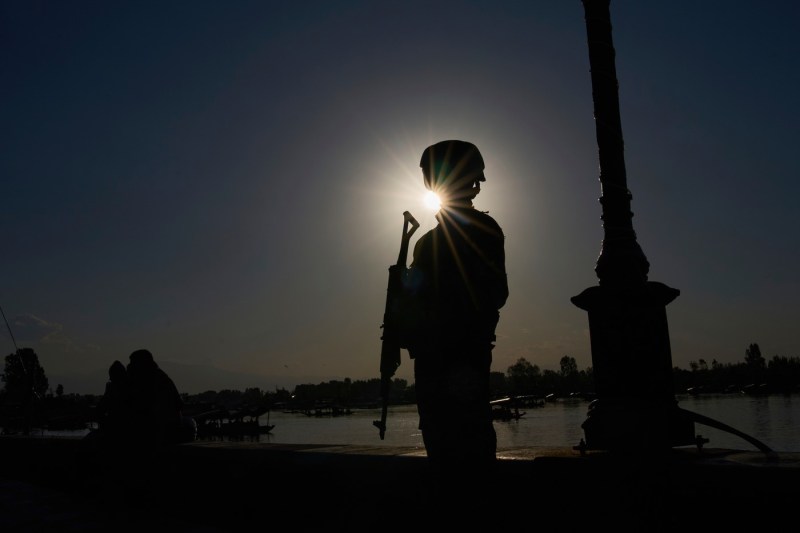
Paramilitary soldier on the shore of Lake Dal in Srinagar, in Kashmir under Indian control, on April 25, 2025. Credit: but Yasin / AP / Profimedia
In the area of the border volatile in Kashmir, fire exchanges were recorded between Indian and Pakistani troops for the next day, against the backdrop of tensions increasing after the attack that killed 26 people in a popular tourist area, The Guardian reports.
The massacre led the relations between the two neighboring states, both equipped with nuclear weapons, in a dangerous spiral. India and Pakistan wore three wars, two for the majority Muslim Kashmir region, which they share, but both claim in full.
The army of India accused the Pakistani soldiers of opening the fire from “several posts” on the powerful militarized line of armistice, and the Indian forces “responded properly” to what they claim were “unprovocated”. No victims have been reported. Pakistan did not comment on events.
26 people killed in an attack in an area nicknamed “Switzerland”
The confrontations come in the context of Tuesday's attack, when armed men opened fire on tourists near Pahalgam, in Kashmir under Indian administration, causing 26 deaths. The level of violence had been constantly decreasing in the region, but the attack gave a heavy blow to a tourist industry.
The attack was claimed by an obscure group, which self -titled “Kashmir resistance”. India associates it with the group out of the law, Lashkar-e-Taiba in Pakistan, but the Pakistani side denies any kind of involvement.
In an apparent attempt to mitigate tensions, Prime Minister Pakistani Shehbaz Sharif offered to cooperate with a “neutral investigation”. His Indian counterpart, Narendra Modi, promised to “follow and punish each terrorist and its supporters”, saying that they will be sought “until the end of the earth.”
“Pakistan is open to participating in any neutral, transparent and credible investigation,” said Sharif, at the same time warning that Pakistani forces are ready to reject “any unhappy adventure” of India.
Symmetrical measures
In mutual measures, India suspended the treaty on induced waters, expelled Pakistani diplomats and canceled Pakistani visa. Islamabad repulted the expulsion of Indian diplomats, canceling Indian visas and closing their air space. In addition, he suspended the 1972 Shimla agreement, an essential work frame.
The Minister of Resources in India, Patil, said that the country will take measures to ensure that the “drop” of the river will be poured into Pakistan after the suspension of the Indus water treaty. Pakistan warned that any attempt to block water would be an “war act”.
Experts say that the flow of flow would require great investments and years of work. “India does not have the hydroelectric infrastructure necessary to effectively prevent the flow of water to Pakistan in the short term,” said Brahma Chelaney, an analyst. “So, the action is largely symbolic,” he believes.