
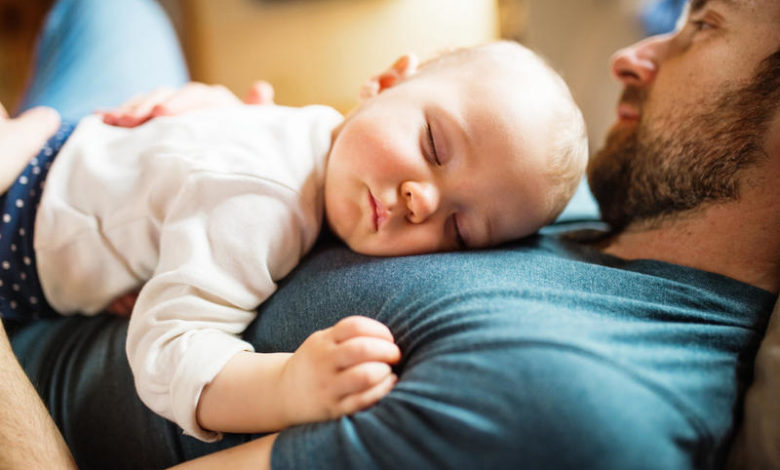
Sleep is an essential component of our lives, being as important for our body as food, hydration and breathing. And this is also true for children. Sleep helps the brain and body recover after all activities during the day. In order to maintain the physical, mental and emotional well -being of the child, it is necessary for him to sleep enough, according to the NHS (National Health System). But what does enough sleep for a child mean?
How does the lack of sleep affect children
Lack of sleep can affect children in many ways, from short -term mood to depression and long -term anxiety or even immune system problems:
Mood changes – Children can become more irritable and more moroccan when they do not sleep enough. This can lead to increased behavioral difficulties, they may have difficulty focus and can become more agitated.
Mental health – If a child does not sleep enough for long periods, this can lead to mental health problems, such as anxiety and depression.
The immune system – enough sleep can help combat diseases.
Weight -When a child is tired, he can affect his ability to adjust his hunger and appetite. It can cause the child to eat excess and can affect how the body processes food.
How much sleep does a child need
The amount of sleep needs children varies from child to child. Some children will need more sleep, while others feel good if they sleep less.
In different stages of development, the amount of sleep your child needs will change. This is because your brain processes the information and experiences of the day.
Babies need a lot of sleep, because they have a lot of new experiences and learn new skills. Adolescents need less sleep because they already have these basic experiences and skills.
The following recommendations are an indicative guide, the NHS specialists emphasize. When we talk about how much your child should sleep, the main recommendation is to take into account, first of all, his individual needs:
- Newborns with the age of 4 months – 8 to 18 hours of sleep.
- Babies between the ages of 4 and 12 months – 12 to 16 hours of sleep.
- Children between the ages of 1 and 2 – 11 to 14 hours of sleep.
- Children between 3 and 5 years old – 10 to 13 hours of sleep.
- Children between 6 and 12 – 9 to 12 hours of sleep.
- Adolescents between 13 and 18 – 8 to 10 hours of sleep.
A newborn child will spend more time sleeping than awake. Until the age of 4 months, the child could spend twice as long as he sleeps.
Your baby will wake up often during the night, so it's unlikely that your child's sleep will match your usual sleep routine. As the baby grows, it will need less night feeds and will be able to sleep for longer periods.
Between 1 and 2 years, sleep habits can be learned. At this age it is important to enter a bedtime routine, because the child can learn the order of events before bedtime. You can also set a regular sleep routine to help your child prepare for rest.
Between 3 and 12 years, it is important to encourage the child to be active and spend time outdoors. Exposure to natural light will help them feel tired at the end of the day so that they have a more restful sleep.
Some children are afraid of darkness, which can make the child difficult to relax and sleep. If your child is scared of darkness, leave the door open or use a lamp that could help. But try not to keep the main light on.
As for teenagers, they often want to stay in the evening until late hours, then wake up in the morning. This is due to the fact that puberty hormones change body clock and change sleep patterns. These hormonal changes can make them feel that they have to sleep and wake up 3-4 hours later than adults.
Adolescents need about 9-10 hours of sleep at night. If they do not sleep enough, it can affect their mood, the ability to concentrate and learn and mental health.
Activities to be avoided one hour before bedtime
For a quiet sleep, specialists recommend avoiding activities one hour before bedtime:
- Turn off electronic devices such as TVs, game consoles, tablets or computers.
- Exercises are an excellent way to get tired of a child. But exercise before bed can prevent the child from calming and falling asleep.
- Avoid heavy or heavy meals an hour before bedtime, as they can prevent the child from falling asleep or having a quiet sleep.


