For a quarter of a century, the Russian press carefully cultivated the myth of an inspired leadership, embodied by Vladimir Putin. State propaganda leaves no room for any crack in the leader's image. When things go wrong, official news ignores problems. And when reality can no longer be hidden, Putin is portrayed as the wise leader who corrects the mistakes of the subordinates.

Russian President Vladimir Putin/Photo: AFP
The external perception of Putin was largely modeled by this image – amplified online by operations of influence orchestrated by Kremlin and enthusiastically adopted by nationalist politicians outside Russia, fascinated by the authoritarian leadership and contempt for the rule of law, writes The Guardian.
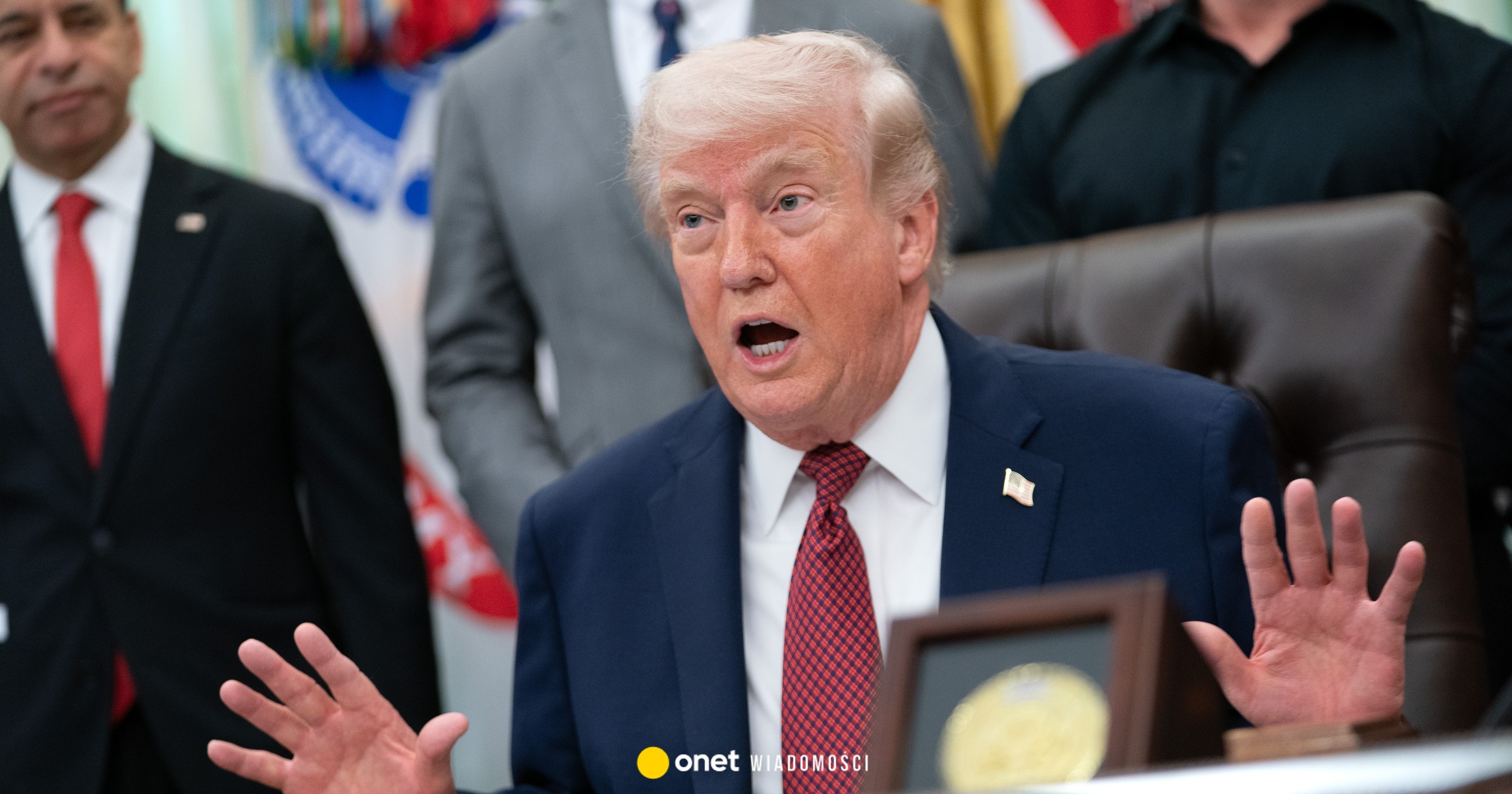
Until recently, Donald Trump was the most influential supporter of this perspective. The US president has never been a sincere follower of democratic pluralism, but in recent months he has nuanced his position on Russia and has tempered his praise for the Kremlin leader. He threatened Moscow with new sanctions, if no concrete progress will be made in the direction of an armistice in Ukraine until the end of this week. The special send of the White House, Steve Witkoff, met on Wednesday, August 6, with Vladimir Putin. However, the content of the discussions remains unclear.
The reasons for Trump's tone change and the extent to which it will last are uncertain. The NATO Summit in June seems to have had an essential role near the American president of the Alliance and in increasing his skepticism to Putin's good intentions.
The presidential ego also plays a role. Trump has based his election campaign on the promise to quickly end the Ukraine war. His initial plan was to marginalize Volodimir Zelenski, the Ukrainian president, and to offer significant territorial concessions to Russia. It would have been a shameful betrayal of a democracy under the siege – and a reward for unprovocated military aggression. It was a gift offered to Putin. But the Kremlin leader did not satisfy so much, but intensified the attacks.
Trump has never given signs that he would be in solidarity with the suffering of Ukraine, but he is notorious about personal affronts. And a little humiliated, refusing a quick and spectacular agreement.
The motivations of the Russian president are also difficult to decipher. He may rely on Washington's desire to conclude a “land against peace” armistice and try to win as much territory as possible before American patience is exhausted. But he is, at the same time, the prisoner of his own maximalist objectives. He sent hundreds of thousands of young Russians to death, under the pretext that the nation leads an existential fight against the West. He presented Ukraine as a rebellious province to be reintegrated into the “great Russian space”. He oriented the entire economy of the country towards a permanent war. And his myth of an invincible military leader could definitely collapse if Zelenski remains in the leadership of a sovereign and viable Ukraine when the weapons will silence.
Behind Putin's decision to continue a war of bloody wear, there does not seem to be a brilliant strategy. But, rather, a dangerous combination of inertia and paranoia. It is probably afraid to end the conflict in terms that could allow ordinary Russians to understand the tragic absurdity of this slaughter.
History will undoubtedly record the behavior of Vladimir Putin in Ukraine as the action of an illusory and criminal leader. The myth of the “brilliant strategist” is just another propaganda weapon – meant to design force where the weakness reigns and induce the idea of an inevitable victory, when the reality on the front is, in fact, a line of Kremlin's failures.