2025-07-06 15:06
publication
2025-07-06 15:06
Thanks to artificial intelligence after 18 years of attempts to get pregnant, a couple is pregnant with the first child – informs CNN.
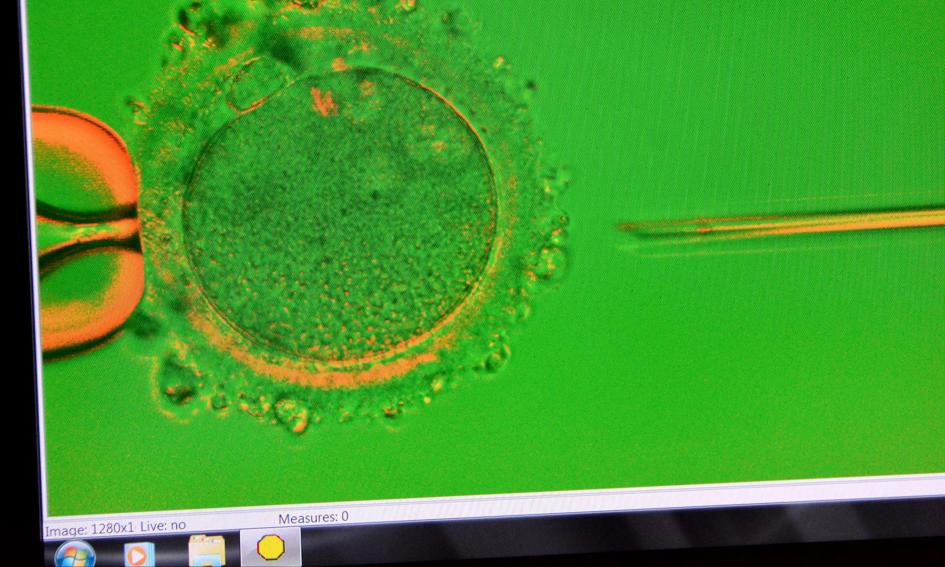
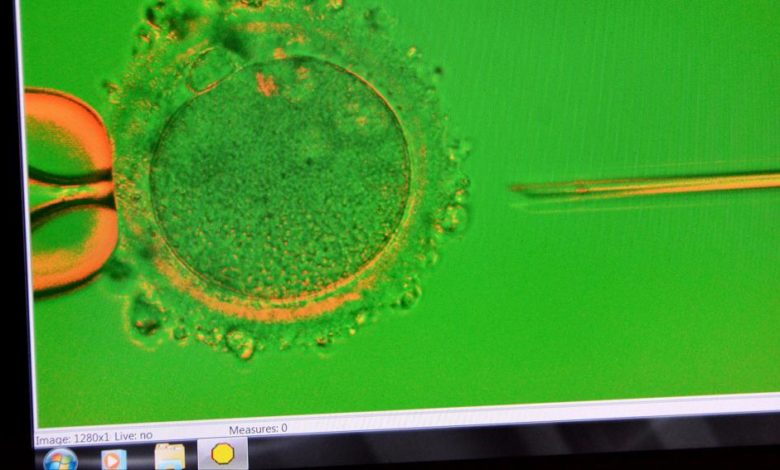
During these 18 years, a woman and man who wanted to maintain anonymity visited infertility treatment centers around the world, undergoing many in vitro (IVF) fertilization treatments. In vitro fertilization consists in taking a woman's egg and combining it with a sperm in a laboratory to create an embryo, which is then implanted into the uterus.
In the case of this pair, in vitro fertilization attempt failed due to Azoospermia – the lack of sperm in the seed. While a typical semen sample contains hundreds of millions of sperm, men with azoospermia have so few of them in the semen that, despite long -term searches, they cannot be observed under a microscope. There may be up to 100 million times less than normal.
Finally, the couple went to Columbia University Fertility Center. A new method called Star is used in this center, using artificial intelligence (AI). AI helps to identify and recover hidden sperm even in men who seemed not to have them at all.
When the semen sample is placed under a specially designed microscope, the STAR system – which means sperm tracking and recovery – using a high -power fast camera and high -power imaging technologies, taking over 8 million photos per hour to find sperm. The system immediately insulates the sperm in a tiny drop of medium, enabling embryologists to recover cells that they could never be able to find or identify with their own eyes.
In this case, three sperm were found and used to fertilize the wife's eggs. After implantation of the embryo, pregnancy develops properly and the child is to be born in December.
More and more medical facilities in the US are using artificial intelligence to help assess the quality of eggs or evaluate embryos when patients undergo in vitro fertilization. It is estimated that male partners are responsible for up to 40 percent. all infertility cases in the United States, and up to 10 percent Men with infertility suffer from azoospermia. Most of them feel completely healthy and normally. There are no sexual function disorders, and the seed also looks normal. Traditionally, Azoospermia treatment options included a burdensome surgery consisting in collecting sperm directly from the patient's testicles – or using the sperm of another person.
Paweł Wernicki (PAP)
PMW/ AGT/