Only three months were to start the deposit system in Poland. The deposits will include glass and plastic bottles and cans with drinks. This is a big change for producers of drinks, shops and consumers, as well as intermediaries in the collection operators. For now, the regulations are so unjustified that they raise many doubts about the settlement of taxes or settlements with operators. Manufacturers will have to pay tax on non -short bottles, which will increase their costs.
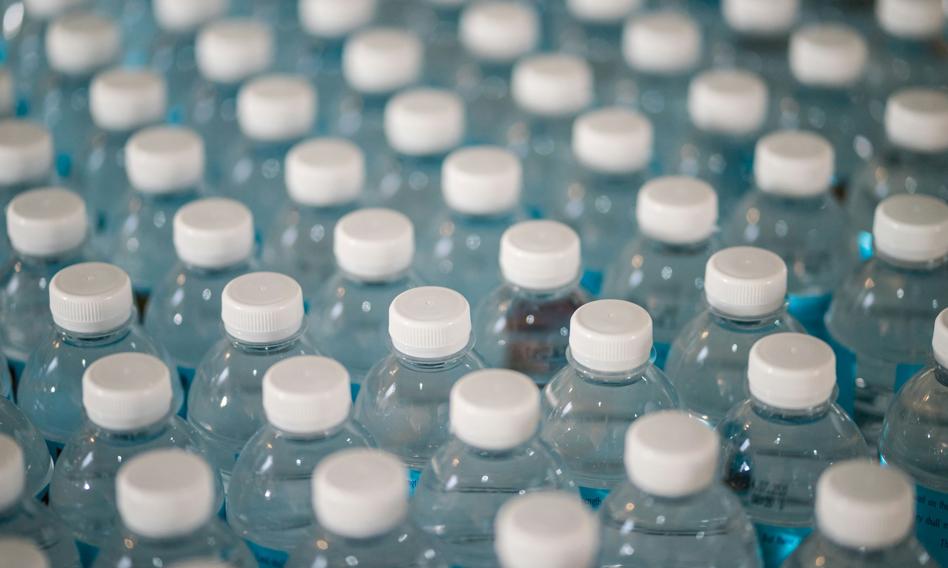
The deposit system in Poland is to become effective on October 1, 2025. It will cover three types of packaging: plastic bottles, i.e. popular PET bottles up to 3 l, metal cans up to 1 l and multiple -use glass bottles up to 1.5 liters. The system imposes on the manufacturers the obligation to mark the packaging of packaging with a deposit logo with information about its height. In the case of glass bottles, it will be 1 PLN for re -use, while for cans and bottles of PET sellers will collect 50 groszy.
– The bailing system may burden some entrepreneurs to a large extent – says Newseria Marek Przybylski, tax advisor and MDDP legal advisor. – It seems that it is only ensuring that the sale of drinks is collected 50 groszy or zloty and then the return bottles return to the manufacturer, and plastic and cans go to the recycling point. However, someone will have to organize this system, and there is not much time for it, you need to sign contracts with all stores and points that will receive packaging, contracts between the so -called operators who will be responsible for the creation of bulk systems. There are to be eight operators, so you can risk the claim that there will be eight Cause Systems, which, although they will deal with the same, i.e. cans and bottles, they can work on completely different terms.
All commercial units, regardless of their area, if they offer drinks in packaging covered by the system, they will collect a deposit. The customer will be able to collect the deposit when returning the packaging, but the receipt of the receipt will not be required. Stores over 200 sq m, i.e. large and medium, will be required to take packaging with the logo of the deposit system, and smaller stores will be able to voluntarily join the system.
– If we look from the point of view of stores that will be on the front line, it is the first obligation, which will be very problematic, it will be a place to collect. This is more or less a small room in the apartment, so inserting such a machine takes up a place where there were normally in the store some products that we could sell to consumers. On the other hand, there may be a number of claims of consumers in the store, who will not understand why they bought two pieces of the same drink, and one had a small inscription “deposit”, on the label the other did not have, and only for one of these bottles they will get 50 grosze back in this store – indicates Marek Przybylski.
Cafeered operators will take care of the collected packaging from stores. They will be able to create points of collecting empty packaging also outside trade units and will be required to guarantee at least one collection point in each commune, of which there are almost 2.5 thousand. For now, there are seven operators approved by the Ministry of Climate and Environment, there were eight applications, and there was also information about the ninth willing. Companies with a license are: a verse, a Polish woman, an ok bail operator, eco-operator, research, deposit and Polish deposit system.
The basis for the introduction of a deposit system in Poland was the Directive of the European Parliament and of the Council of the European Union 2019/904 on the reduction of the impact of some plastic products on the environment (the so -called SUP Directive). In accordance with the principle of extended liability of the manufacturer, the deposit system is to be financed by entities introducing drinks in packaging covered by the deposit system, i.e. drink producers. They are to bear the costs related to, among others with collection, collection and transport of packaging and waste, keeping records and settlement of deposit. Entrepreneurs introducing drinks in packaging will be required to achieve specific levels of selective collection of packaging and packaging waste within the system (77 percent from 2025 and 90 percent from 2029). The system will be additionally financed from an unprinted deposit and the sale of recycled materials.
– Caucascular system, which should not surprise the observers of political life, will be used to introduce a new tax, which will nominally be one of the forms of VAT taxation. We should directly say that it will be a tax on non -reverbered bottles, because at the end of each year beverage manufacturers will have to count how many drinks they introduced to the market, how many empty packaging after these drinks returned and from this difference then calculate the VAT amount from sales – indicates a lawyer from MDDP. – The so -called The introductory, i.e. drink manufacturers, but the deposit funds will have to transfer to operators, so they will have to cover this tax from their own pocket. It will be a very complicated settlement system, because first the cailive system operator will pay as if an advance on this tax for drink producers who are covered by its bailing system, and then the manufacturer will have to compare whether the calculations of the operator agree with his data, and possibly pay the difference from their own means.
He emphasizes that system participants have many questions about its functioning and settlements with other participants. Today there are several approaches to tax issues, which does not bode well for the start of the bail system
– I am already meeting numerous questions from customers as to how the operator is to cooperate with their entering, how they are to compare their data. I often meet if I run a shop and get a deposit, whether this deposit is my sales, whether it increases my tax, and if I return the deposit, I can reduce my tax, or maybe I should treat it as money, not considering at all when calculating taxes – says Marek Przybylski. – Unfortunately, in these examples, the regulations are silent, so it seems that the most appropriate procedure would be either supplementing them, or the issue of tax explanations by the Ministry of Finance, because at the moment each of my clients, regardless of the role in the deposit system, must think about what strategy to accept.
The subject of tax doubts in the bail system was taken during the Congress of the Lewiatan Confederation Tax Council, which took place in June in Warsaw. MDDP was a strategic partner of this event, and Newseria – a media partner.