
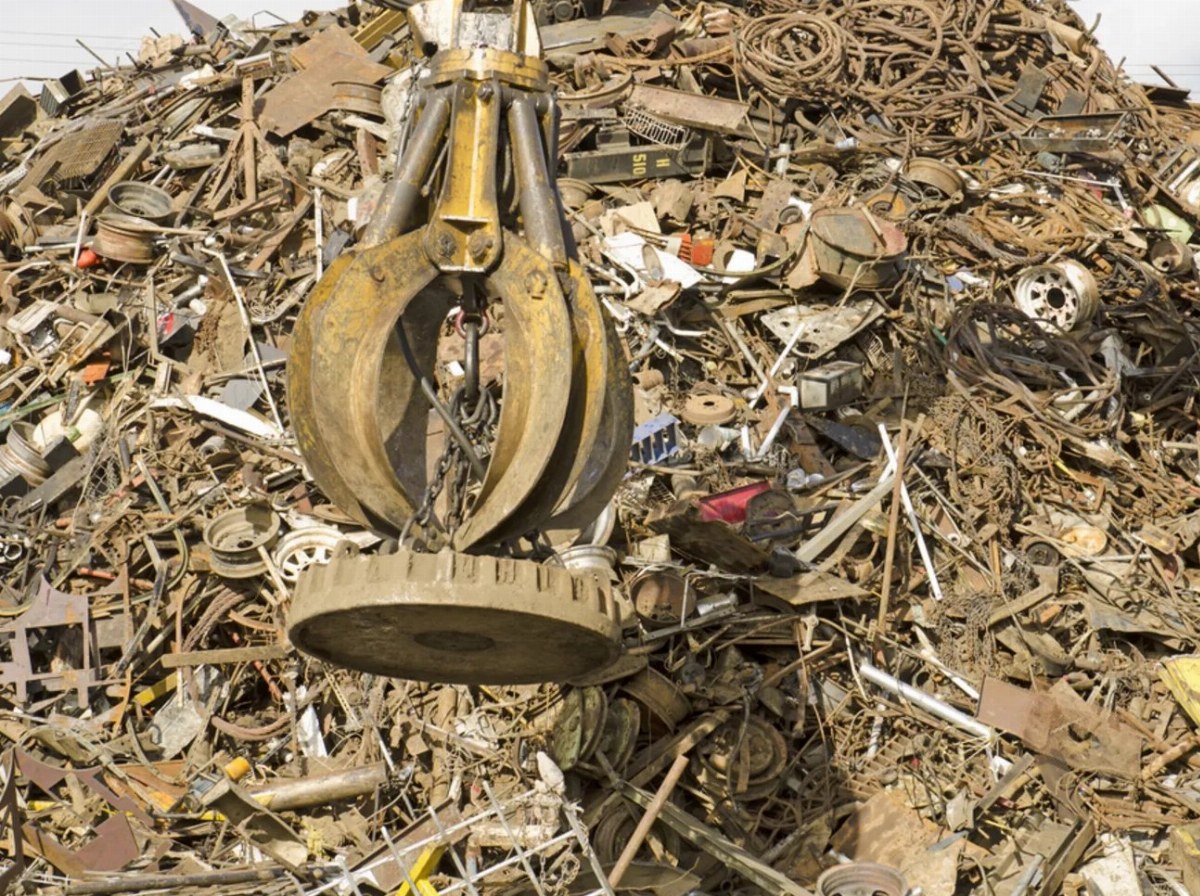
Experts from GMK Center have highlighted a growing internal demand for scrap metal in Ukraine. Despite some production facilities halting operations due to Russian attacks, in September 2026, the country produced 131,000 tons of steel and factories have frequently resumed operations after previous stoppages.
However, the collection of scrap metal is declining faster than its consumption. Traditionally, significant amounts of scrap originated from the industrial regions in the southeast, where its collection is now hampered by ongoing hostilities and security risks. Therefore, temporary plant shutdowns do not justify the unrestricted export of this strategic raw material.
The authors of the report warn that resuming scrap metal exports could lead to the revival of schemes that existed prior to the introduction of a zero quota. Previously, Ukrainian scrap was exported to the EU without paying tariffs, then reclassified for delivery to Turkey, circumventing the €180 per ton export duty.
GMK Center emphasizes a considerable difference in revenues from exporting raw materials versus finished products. According to analysts, “Exporting scrap brings in UAH 50-100 per ton, while exporting finished steel produced from that scrap yields UAH 13,000-15,000 per ton. Exporting raw materials has never been economically more beneficial for the state than producing value-added products from them.”
The importance of scrap metal is increasing due to the European Carbon Border Adjustment Mechanism (CBAM). Using scrap in steel production can reduce carbon dioxide (CO₂) emissions by up to 60%, thereby decreasing future emissions payments.
GMK Center suggests allowing temporary exports of limited amounts of scrap metal during the downtime of damaged facilities, provided that the state receives tangible revenues from this arrangement. “A safeguard for the state could be a temporary permit to export scrap in limited quantities, while also extracting excess profits from this export into the state treasury through methods such as export duties or selling quotas on Prozorro,” propose the center’s experts.


